
Economic Blueprint or Ethnic Bias? The Growing Debate Over Tinubu’s Infrastructure Strategy
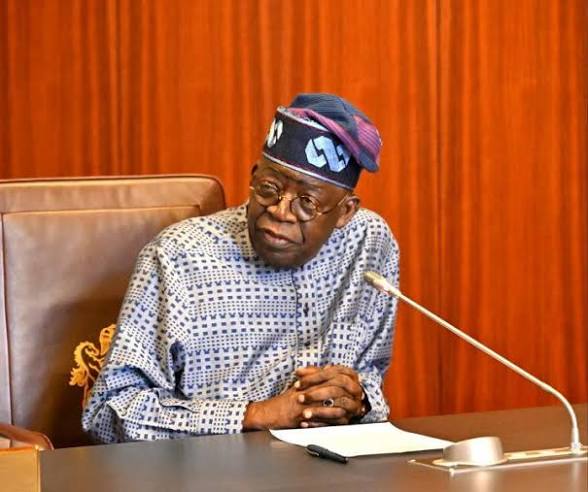
The recent social media commentary from prominent X user @Big_Marvis has ignited a fierce national debate regarding the underlying philosophy of President Bola Ahmed Tinubu’s economic reforms.
The viral post claims that the President is “quietly doing what built America and China,” suggesting that the administration is prioritizing long-term structural foundations over immediate public gratification.
According to the proponent, these efforts are often obscured by a “tribalism” lens that causes many Nigerians to view national developmental strides through the prism of ethnic suspicion rather than economic logic.
Supporters of this view argue that the administration is systematically adopting the “China Model” of growth a strategy defined by massive state-led infrastructure spending and industrial hub creation. A cornerstone of this vision is Nigeria’s record-breaking participation in the China Belt and Road Initiative, with contracted construction volumes reaching $24.6 billion by 2025.
These projects, including the Ogidigben Gas Revolution Industrial Park and the recently completed River Niger crossing of the OB3 Gas Pipeline, are designed to transition the nation from a consumption-based economy to a production-driven powerhouse.
The administration’s “Super Grid” initiative, which seeks a $2 billion investment to link the eastern and western power regions, is another pillar of this comparison. Analysts suggest that by creating a stable energy corridor, the government is attempting to replicate the industrial backbone that facilitated the American and Chinese economic miracles.
Furthermore, the launch of the Nigeria Industrial Policy 2025–2035 aims to build a $1 trillion economy by focusing on manufacturing competitiveness and reducing the country’s historical reliance on imports.
Despite these documented commitments. which have reportedly attracted $60 billion in energy sector investments in just three years the narrative remains deeply contested. Critics argue that the benefits of these “quiet” reforms have yet to reach the average citizen who is currently grappling with high inflation and the removal of subsidies. While the administration maintains that these are the “necessary pains” of national rebuilding, the skepticism highlighted by @Big_Marvis suggests that the government’s biggest challenge may not be the economics themselves, but the task of convincing a fractured and ethnically sensitive public of their long-term value.