

MinePro CEO Urges Investment in Mining to Cut Import Dependence

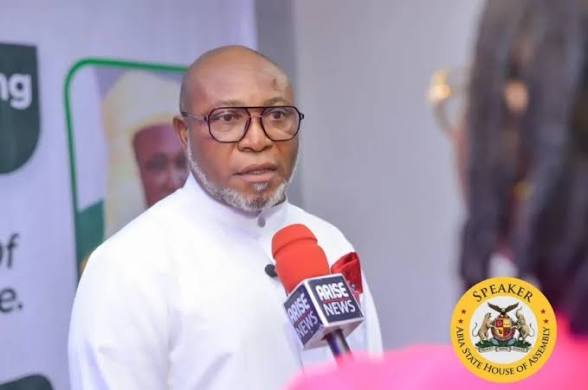
Dr. Femi Salami, Managing Director and Chief Executive Officer of MinePro and Energy Ltd, has called for increased investment in Nigeria’s mining and metals sector, describing it as critical to unlocking sustainable infrastructure development and economic growth.
Speaking as an advocate for responsible mining, Salami stressed that no country can build lasting infrastructure without securing access to essential raw materials.
“No nation can achieve serious infrastructural development without securing a stable supply of the raw materials that make such development possible,” he said.
He noted that Nigeria’s ongoing infrastructure drive remains heavily dependent on mineral-based inputs, highlighting the central role of the mining sector in national development.
“In Nigeria, roads, bridges, railways, power plants, housing projects, and industrial zones all depend heavily on steel, cement, aluminium, copper, limestone, and other mineral-based inputs,” he added.
Salami argued that strengthening the mining and metals industry would significantly reduce Nigeria’s reliance on imports while improving cost efficiency across construction and industrial projects.
“Heavy investment in the Nigerian mining and metals industry would reduce dependence on costly imports, stabilise material supply chains, and lower construction costs over time,” he stated.
According to him, Nigeria is well-positioned to achieve this transformation, given its vast natural resource endowment.
“With abundant deposits of iron ore, gold, limestone, bitumen, coal, and other strategic minerals, Nigeria has the natural resource base to support domestic production of critical building materials needed for long-term infrastructure expansion,” Salami said.
Beyond infrastructure, he emphasised the broader economic benefits of developing the sector, pointing to job creation and industrial growth.
“Investment in mining and metals would create a multiplier effect across the wider economy, generating jobs, improving transport networks, expanding energy demand, and stimulating local manufacturing,” he noted.
He further highlighted the fiscal advantages, explaining that a vibrant mining sector would boost government revenues and support public service delivery.
“It would also increase government revenues through taxes, royalties, and export earnings, providing more funds for public infrastructure such as schools, hospitals, ports, and highways,” he said.
Drawing lessons from global development patterns, Salami urged Nigeria to harness its mineral wealth as a foundation for industrialisation.
“Countries that industrialised successfully often used their natural resources as a foundation for growth, and Nigeria can do the same by transforming its mineral wealth into productive capital,” he said.
He warned, however, that failure to prioritise the sector could slow down national development efforts.
“Without serious investment in this sector, infrastructure ambitions may remain slow, expensive, and overly dependent on foreign suppliers,” Salami cautioned.