
Botswana Leads Africa in Rate Hike as Global Oil Disruption Pushes Inflation Spike
Botswana has become the first African central bank to raise interest rates following the global energy shock triggered by the U.S.-Israel–Iran conflict, amid intensifying inflation pressures.
The central bank’s monetary policy committee increased the benchmark rate by 200 basis points to 5.5% from 3.5%, Governor Lesego Moseki said during a briefing in the capital, Gaborone.
Officials expect inflation to rise sharply in the near term, breaching the upper limit of the bank’s 3% to 6% target range in the second quarter. Inflation is projected to average 8.7% in 2026 before easing to 5.6% in 2027, driven largely by higher fuel prices, transport costs, and medical aid premiums, Bloomberg reported.
The rate hike is also aimed at strengthening monetary policy transmission, though the central bank warned that inflation risks remain tilted to the upside due to second-round effects, including potential increases in electricity tariffs and other administered prices.
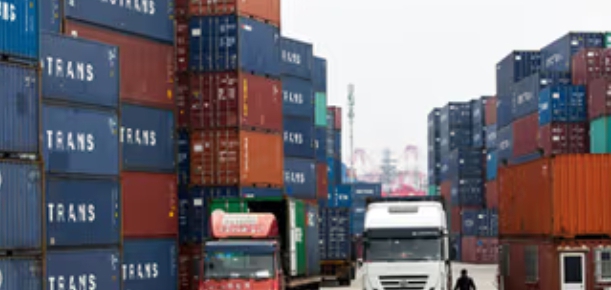
Since the conflict began in February, global supply chains have been heavily disrupted, largely due to the blockage of the Strait of Hormuz, a critical trade route for energy and commodities.
Africa has been among the hardest hit by these disruptions.
Economists say Botswana is particularly exposed to rising fuel costs, as transport carries a relatively high weight in its consumer price index. The central bank expects inflation to surge to about 8.9% this month, up from 4.2% in March—its highest level in three years.
The tightening comes at a difficult time for the economy. Botswana is already facing a downturn in its diamond sector, which accounts for roughly 80% of exports and about a third of government revenue, adding pressure to growth and public finances.
Higher borrowing costs are likely to persist as fiscal pressures remain elevated, potentially weighing on consumer spending and credit demand, analysts say.