

Iran Announces First Collection of Transit Tolls from Strait of Hormuz Shipping
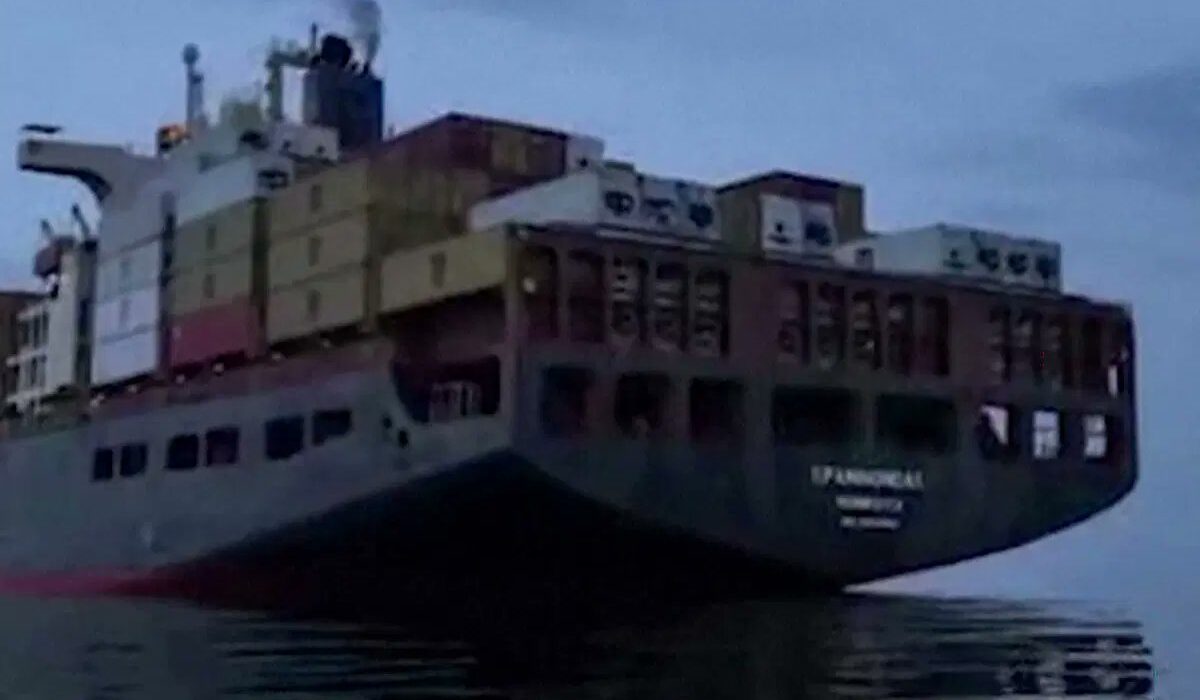
A senior Iranian parliamentary official announced on Thursday that Tehran has successfully collected its first revenue from controversial transit tolls imposed on commercial vessels navigating the strategic Strait of Hormuz.
The announcement marks a significant escalation in the ongoing 2026 maritime crisis that has severely disrupted global energy markets and international shipping lanes.
Hamidreza Hajibabaei, the Deputy Speaker of Iran’s Parliament, confirmed that the initial transit fees have already been deposited into the country’s Central Bank account. While Hajibabaei and other lawmakers did not specify the exact amount collected or the number of ships that have paid, reports indicate that the Islamic Revolutionary Guard Corps (IRGC) has mandated advance payments from shipping companies, requiring transactions to be conducted in cryptocurrency or Chinese yuan.
Toll rates reportedly vary based on the vessel’s cargo volume and perceived risk level.
The imposition of these tolls is deeply intertwined with the broader geopolitical conflict that erupted in late February 2026. The Strait of Hormuz a vital chokepoint that historically facilitates one-fifth of the world’s daily oil and gas flows has been restricted to a mere trickle of approved vessels by Iranian authorities. Iranian officials, including Parliament Speaker Mohammad Bagher Ghalibaf, have stated that the strait will remain highly restricted as long as the United States maintains a naval blockade on Iranian ports.
Despite a recently extended ceasefire announced by U.S. President Donald Trump, intended to foster Pakistani-mediated peace talks, the maritime standoff persists. The tolling system was formalized in March when the Iranian parliament’s security commission approved legislation requiring nations to pay fees for transit through the corridor. The resulting supply chain bottlenecks have continued to rattle the global economy, driving up crude oil prices and prompting widespread flight cancellations by fuel-reliant international airlines.
Western nations have sharply criticized the tolls and the broader restriction of the waterway. Military planners from over 30 countries, including Britain and France, have discussed forming a multinational mission to restore freedom of navigation and secure the strait “as soon as conditions allow.” However, Thursday’s announcement indicates that Tehran is actively executing its economic strategy in defiance of mounting international pressure.