

U.S. Reinstates Full Sanctions on Russian Oil as Temporary Waiver Expires
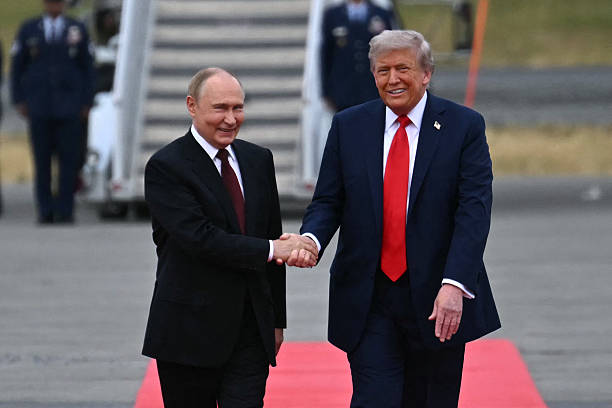
The United States has officially reinstated full sanctions on Russian oil exports after a one-month temporary exemption expired on April 11, 2026.
The Office of Foreign Assets Control (OFAC) chose not to extend the waiver, which had been granted by the Trump administration in mid-March to combat a sharp spike in global energy prices triggered by the conflict in the Middle East.
The temporary lifting of sanctions allowed for the sale of Russian oil already on tankers at sea, a move Treasury Secretary Scott Bessent previously described as a necessary tactical maneuver to stabilize global markets. At the time, Washington argued that the “jiu-jitsu” strategy would limit Russia’s potential windfall by preventing oil prices from skyrocketing past $150 per barrel, even if it meant allowing Moscow to sell some existing inventory.
The decision to let the waiver expire follows intense pressure from international allies, particularly Ukrainian President Volodymyr Zelenskyy and European Council President António Costa. Both leaders had criticized the relief, arguing it provided a financial lifeline to the Kremlin during its ongoing invasion of Ukraine. With a ceasefire recently taking effect in the Persian Gulf and the Strait of Hormuz beginning to reopen, the Biden administration—and subsequently the current executive branch—faced mounting calls to return to a policy of maximum economic pressure.
Despite the return to full sanctions on crude exports, the Treasury Department has maintained specific, narrow exemptions for humanitarian and logistical reasons. This includes the recent issuance of General License 128C, which allows Lukoil-branded retail service stations located outside of Russia to continue operating through October 2026 to prevent local fuel shortages in host countries.
As the full weight of the sanctions returns, global energy analysts are closely watching for potential market volatility. While the administration believes the immediate crisis in the Middle East has cooled enough to warrant the move, the reinstatement underscores the continuing use of economic restrictions as a primary tool of foreign policy in the face of ongoing global conflicts.