FG Defends Petrol Price, Says Nigeria Pays 50% Below Global Average
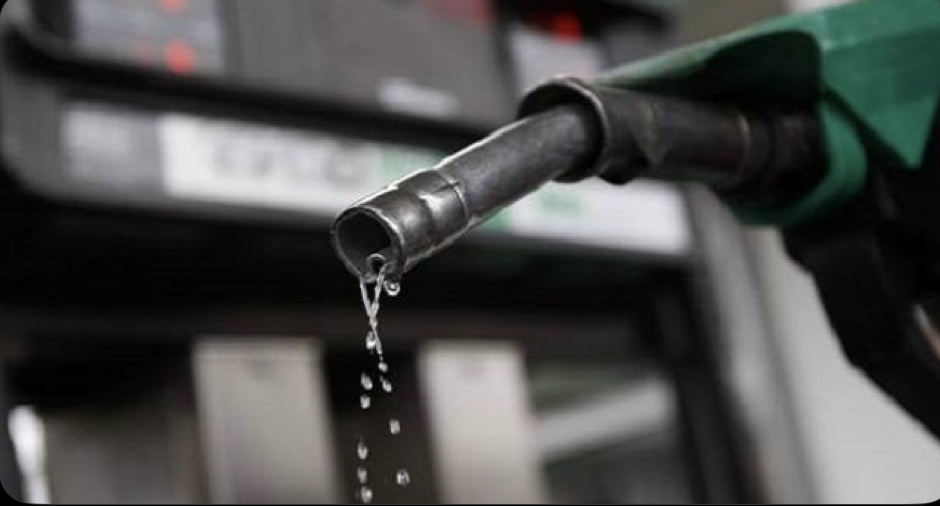
The Federal Government has defended the current price of petrol in Nigeria, stating that despite recent increases, the cost remains significantly lower than the global average.
Speaking in Abuja, the Executive Chairman of the Federal Inland Revenue Service, Zacch Adedeji, said available data shows that petrol prices in Nigeria are about 50 per cent cheaper than what obtains in many parts of the world.
According to him, the average pump price of petrol in Nigeria stands at approximately $0.88 per litre, compared to about $1.70 per litre in countries such as the United States, with similarly higher prices recorded in India and South Africa.
He noted that while Nigerians may consider the current price high, global comparisons suggest otherwise. Adedeji attributed the relative affordability to ongoing economic reforms introduced by the administration of Bola Ahmed Tinubu, particularly the removal of fuel subsidy and the push for local refining.
He explained that initiatives such as increased domestic refining capacity, including operations at the Dangote Refinery, as well as the government’s naira-for-crude policy, have helped stabilise fuel supply and reduce dependence on imports.
The government official added that without these measures, Nigeria could have faced more severe fuel shortages and even higher pump prices, stressing that supply has improved significantly in recent months. However, the government’s position comes amid growing public concern over rising fuel costs.
Petrol prices have climbed to over ₦1,200 per litre in several parts of the country, driven largely by global oil market pressures and exchange rate challenges. Analysts say the removal of subsidy has exposed consumers to full market forces, contributing to inflation and a higher cost of living. Increases in transportation and food prices have further compounded the economic strain on households.
While the Federal Government maintains that the reforms are essential for long-term economic stability, many Nigerians continue to face immediate financial pressures, prompting ongoing debate over the impact of the new pricing regime.