
Expenditures from 2012 Budget Testament to Obi’s Profligacy in Public Funds Management
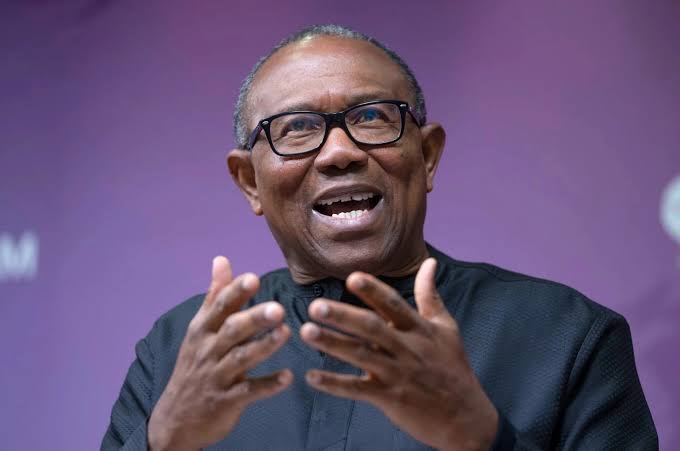
Newly unearthed budget documents from 2012 have triggered a wave of public scrutiny and political debate over the financial conduct of former Anambra State Governor, Peter Obi, raising fresh doubts about his widely promoted image as a frugal and prudent manager of public resources.
The documents, obtained from the official “Estimate of Anambra State of Nigeria 2012,” paint a far more complex and controversial picture of Obi’s tenure. At the center of the revelations are staggering expenditures from the Office of the Executive Governor, including hundreds of millions allocated to entertainment, vehicle maintenance, and what many analysts describe as opaque security spending.
One of the most eye-catching figures from the budget is the allocation of ₦200 million for the maintenance of government vehicles—primarily Peugeot 406 sedans, which were the state’s standard cars at the time.
While vehicle maintenance is a routine government expense, the scale of this allocation raised eyebrows, especially when compared to the previous year’s provision of ₦135 million. The 48 percent jump within a single fiscal year has been described by some as either an indicator of gross inefficiency or potential mismanagement.
Equally controversial is the ₦250 million earmarked for hospitality, entertainment, and gifts. Critics argue that this sum, expended at a time when Anambra was battling with severe infrastructural deficits, exposes a gap between the public narrative of austerity and the realities of executive spending.
The increase from the ₦200 million spent on similar items the previous year added further fuel to the growing skepticism.
However, the most substantial and opaque line item in the governor’s office expenditure was the ₦4.1 billion set aside for what the documents describe as “Special Security Services.” This allocation alone accounted for nearly 73 percent of the total ₦5.6 billion overhead budget for the Governor’s Office in 2012.
Known in Nigeria as “security votes,” such funds are typically exempt from legislative scrutiny and public auditing—factors that have led anti-corruption advocates to label them as convenient slush funds for those in power. In Obi’s case, this allocation saw a ₦100 million increase from the amount recorded the previous year.
Beyond these headline figures, the total allocation to the Governor’s Office reached ₦6.1 billion in a fiscal year when Anambra’s entire recurrent revenue was projected at ₦48.6 billion. Of that amount, over 75 percent—approximately ₦36.6 billion—was expected to come from federal allocations, while internally generated revenue was pegged at just ₦12 billion. Analysts say the overwhelming reliance on federal funds combined with high overhead costs from the executive office raises serious concerns about the sustainability and priority of spending during that period.
The implications are significant. The Governor’s Office alone consumed nearly 17 percent of the state’s projected recurrent expenditure for the year—an amount many say is difficult to reconcile with the lean-governance principles Obi has consistently advocated in his post-governorship political life. Since emerging as a national figure, particularly during his presidential bid, Obi has campaigned heavily on a platform of transparency, cost-cutting, and ethical governance.
While his supporters maintain that Obi inherited an inefficient system and still managed public funds more responsibly than many of his peers, critics insist these newly publicized documents undermine the cornerstone of his political brand. The figures, they argue, are not speculative or politically motivated they are official state records.
The revelations have ignited renewed debate as Nigeria’s political landscape begins to shift ahead of upcoming elections. For a figure often described as the face of clean governance in the country, the emergence of these documents could pose a significant test not just to Peter Obi’s political ambitions, but to the authenticity of the reformist image he has carefully cultivated over the years.