


Oyedele, Keyamo Lead Intervention to Cut Aviation Fuel Costs, Stabilize Airline Operations
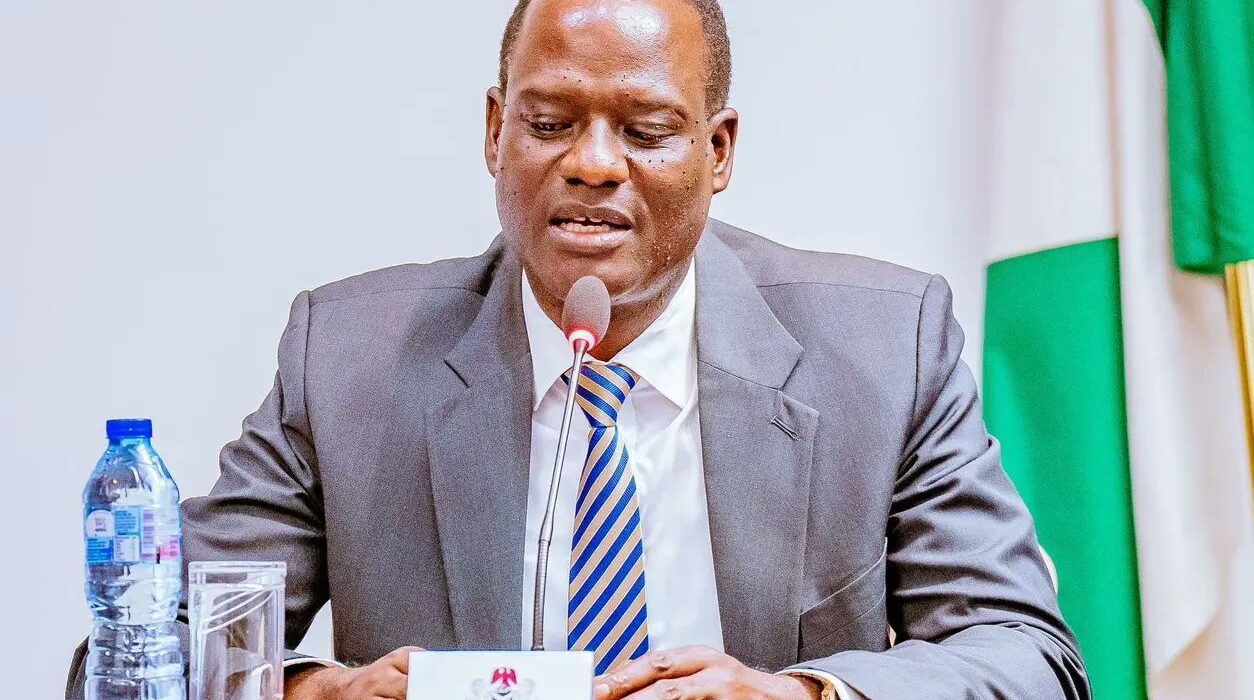
The Minister of Finance and Coordinating Minister of the Economy, Taiwo Oyedele, is collaborating closely with the Minister of Aviation and Aerospace Development, Festus Keyamo, to address the escalating costs of aviation fuel, known as Jet A1.
This partnership aims to devise actionable measures that will stabilize the aviation sector and alleviate the severe financial pressure currently weighing on airline operators.
The urgency of this intervention stems from the sharp rise in fuel prices, which threatens to disrupt flight operations across the country.
By stabilizing costs, the government seeks to protect the traveling public from potential fare hikes and ensure that air travel remains accessible and affordable for Nigerians.
As part of these immediate efforts to provide relief, the government has approved a 30 percent discount on outstanding debts owed by local carriers to various aviation agencies. This directive, sanctioned by President Bola Tinubu, is intended to inject liquidity into the struggling sector and provide breathing room for airlines facing operational constraints.
The reality of the current fuel scarcity has already forced major players in the industry to make difficult operational adjustments. Airline operators have warned that without such government intervention, the alternative would be service cuts, which would severely impact domestic connectivity and economic activity.
Air Peace has emerged as a prominent example of these operational shifts, recently announcing a reduction in its flight frequency. The airline has adjusted its Abuja-London service to three weekly flights until July 1, citing significant supply constraints that have hampered its ability to maintain daily operations.
Beyond the immediate crisis in the aviation sector, Minister Oyedele has articulated a broader economic agenda centered on reform and sustainability. He emphasizes the need for careful management of public funds and fiscal discipline, ensuring that revenue generation initiatives do not unfairly burden the most vulnerable segments of the population.
A central pillar of this economic approach is the move from policy formulation to disciplined execution. Oyedele has highlighted that while government reforms are necessary, their ultimate success will be defined by their implementation and the tangible, measurable benefits they deliver to the Nigerian people.
Ultimately, the administration’s goal is to foster an investor-friendly environment that supports long-term growth. By strengthening coordination across government institutions and deepening collaboration with the private sector, the government hopes to build a more resilient, efficient, and competitive aviation industry that serves as a robust catalyst for national economic progress.