

Nigeria’s Public Debt Hits New National Record of N159.28 Trillion
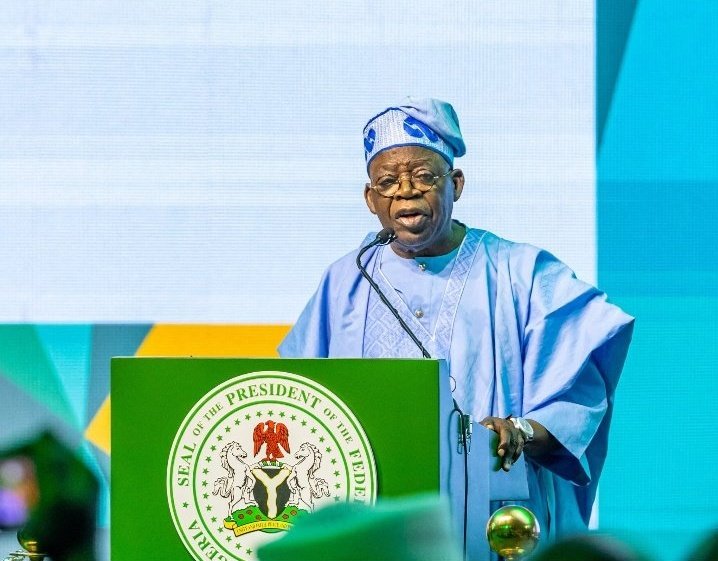
Nigeria’s total public debt has climbed to a staggering N159.28 trillion. This new figure marks a major jump from past records, confirming the country’s continued reliance on borrowing.
The data covers all financial obligations, including both foreign and domestic loans. This growing number has become a serious concern for economists and everyday citizens.
The debt stock includes what the Federal Government owes, plus the debts of all 36 states and the Federal Capital Territory. In recent years, Nigeria has borrowed heavily to fund roads, power plants, and other public projects. However, the cost of repaying these loans, with high interest rates, is putting huge pressure on the national budget.
A major reason for the increase is new borrowing to cover budget shortfalls. When income from oil and taxes isn’t enough, the government often takes loans to fill the gap. Also, changes in the value of the naira against foreign currencies have made existing debts much more expensive.
This means even without new foreign loans, the debt in naira terms keeps growing.
For ordinary Nigerians, this huge debt often means less money for basic services. A large share of government revenue now goes to paying interest, leaving less for healthcare, education, and roads. Many experts warn that if borrowing continues without a plan to boost revenue, the country could face serious trouble. They are calling for better management of public funds.
Officials argue that most borrowing is for development projects that will eventually grow the economy. They say that as long as Nigeria can keep up with repayments, the debt level remains manageable. But with the new N159.28 trillion figure, the debate will only get louder.
All eyes are now on how the government plans to grow the economy faster than the debt.