
536 Blind Candidates Set for 2026 UTME as JAMB Breaks Barriers
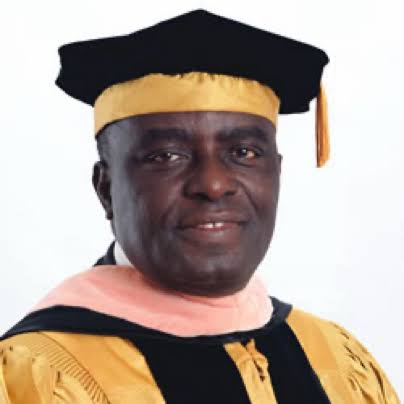
The Joint Admissions and Matriculation Board (JAMB) has reaffirmed its commitment to inclusive education with the participation of 536 blind candidates in the 2026 Unified Tertiary Matriculation Examination (UTME).
This milestone was highlighted on Monday by Emeritus Professor Peter Okebukola, Chairman of the JAMB Equal Opportunity Group (JEOG), who noted that the board’s tailored arrangements ensure no qualified Nigerian is sidelined due to physical disability.
The examination for these candidates is being conducted across 11 designated centers nationwide, with Kano State recording the highest enrollment at 136 candidates, followed by Lagos with 95, and Abuja with 46. To maintain the integrity of the process, the sessions are being supervised by a team of high-ranking academics, including several former Vice-Chancellors, ensuring that while the delivery method is adapted, the academic standards remain as rigorous as those for sighted candidates.
Professor Okebukola emphasized that the board continues to utilize a “bimodal” examination system, allowing candidates to choose between Fully-Braille and Fully Read-Aloud formats. This approach, now in its third consecutive year, has significantly improved accessibility.
He lauded the Registrar of JAMB, Prof. Is-haq Oloyede, for sustaining various “incentives” for these students, including the provision of free hotel accommodation for candidates and their guides, free meals, and the refund of UTME registration fees on-site.
Beyond the logistics of the exam, the JEOG Chairman noted a promising shift in the academic aspirations of candidates with special needs. There is a growing interest in Science, Technology, Engineering, and Mathematics (STEM) courses, despite the historical challenges visually impaired students face in these disciplines. Since the inception of the JEOG in 2017, the initiative has supported over 3,200 candidates, with more than one-third successfully securing admission into Nigerian tertiary institutions—a model of inclusion that Okebukola says is now being recognized across the African continent.