

Elon Musk Condemns South African Trade Policies as “Openly Racist”
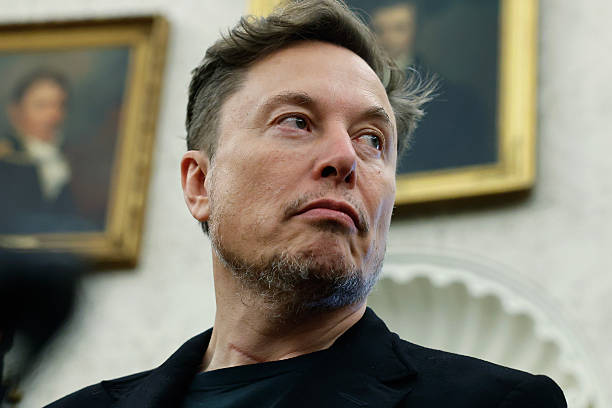
Billionaire entrepreneur, Elon Musk has escalated his verbal sparring with the South African government, labeling the nation’s Broad-Based Black Economic Empowerment (B-BBEE) laws as “openly racist.”
The Pretoria-born CEO of SpaceX and Tesla claims that these regulatory hurdles are the primary reason his satellite internet service, Starlink, has yet to receive an operating license in his home country.
At the center of the dispute is a telecommunications mandate requiring companies to have 30% ownership by historically disadvantaged groups, including Black South Africans. Musk argues that such race-based requirements are discriminatory, stating in a recent post on X that Starlink is being blocked “for the sole reason that I am not Black.” He has further contended that the current legal framework contains more “anti-white” provisions than there were “anti-black” laws during the Apartheid era.
The South African government and various political leaders have pushed back firmly against Musk’s characterization. Proponents of B-BBEE maintain that the policies are essential constitutional tools designed to redress the systemic economic exclusion of the majority population during decades of white minority rule.
They argue that foreign investors must respect local laws aimed at fostering long-term socio-economic transformation and inclusive growth.
Recent attempts by the South African Ministry of Communications to find a middle ground—such as allowing “Equity Equivalent” programs where companies invest in social projects instead of ceding direct ownership—have met with stiff political resistance. Critics of these workarounds argue that granting exceptions to a high-profile billionaire would undermine the integrity of the empowerment framework and disadvantage local businesses that are required to comply with the rules.
As the deadlock continues, South Africa remains one of the few countries in the region without official Starlink access, despite a reported $113 million investment interest from the company. The standoff has reignited a broader global debate over the balance between redressing historical injustices and maintaining a regulatory environment that attracts international high-tech investment.