

ISWAP Fighters in Borno Hit by Food, Fuel Shortages
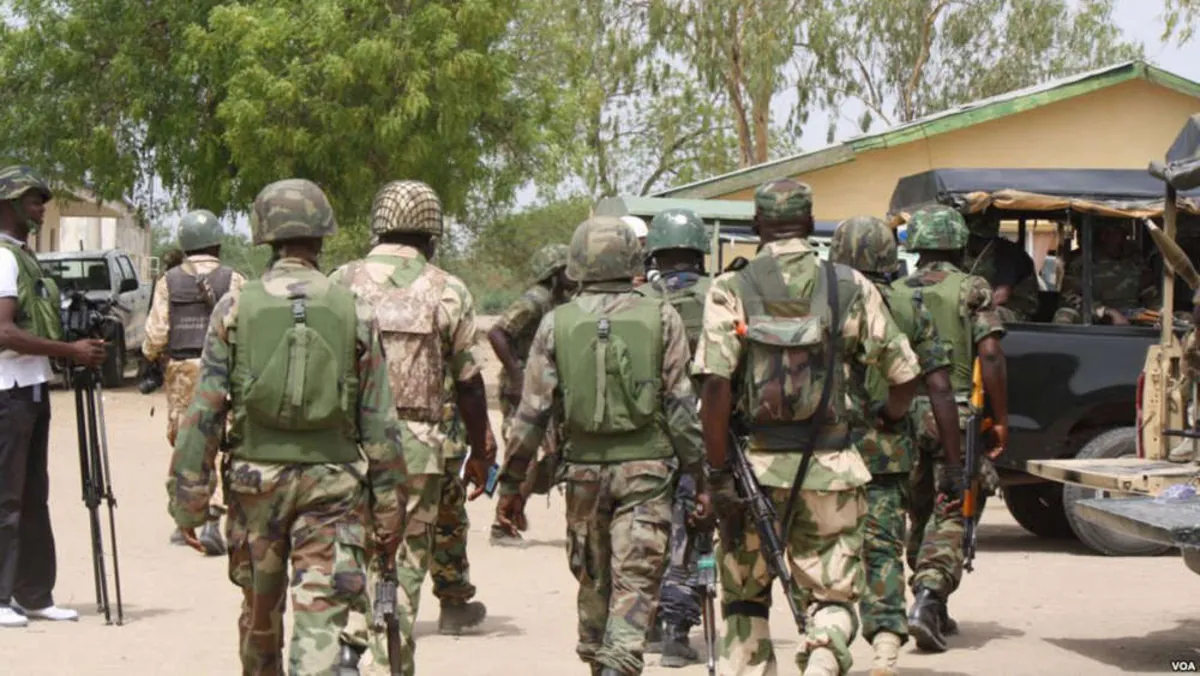
Fresh intelligence reports indicate that fighters of the Islamic State West Africa Province are facing severe shortages of food, fuel and other essential supplies in parts of Borno State, following sustained counterterrorism operations by Nigerian troops.
The development comes amid intensified offensives by Operation Hadin Kai and other security agencies targeting insurgent hideouts, supply chains and logistics networks across Borno and the broader Lake Chad Basin.
Security sources revealed that ISWAP operating in camps within Mafa Local Government Area, particularly along the Dikwa and Sambisa Forest axis, are experiencing growing logistical difficulties that are affecting both their combat effectiveness and morale.
At the centre of the situation is a distress message reportedly sent by a senior fighter identified as Abu Fatima, believed to be operating around the Hamza Gajirom area of Dikwa.
According to the intelligence, he disclosed that members of his unit had gone without food for two days due to acute shortages while also lacking fuel, tyre repair materials and even recharge cards needed for communication.
The report further noted that a commander based in a camp within the Sambisa Forest confirmed the challenges, stating that he had been instructed to check on the affected group but was unable to establish contact due to poor telecommunications network.
The commander reportedly added that fighters in his own camp were still awaiting fuel supplies, underscoring the widespread nature of the shortages.
Sources highlighted that the scarcity of fuel is particularly critical, as it limits mobility, disrupts resupply efforts and reduces the ability of insurgents to launch coordinated attacks or withdraw when under pressure.
Intelligence findings also suggest that the affected fighters are unable to relocate due to lack of fuel and the absence of nearby civilian settlements from which they could obtain supplies, leaving them increasingly isolated.
Despite the general hardship, there are indications of uneven distribution of resources within the group. A fighter identified as Ibn Bukar was reportedly provided with a new motorcycle and rifle, raising concerns about possible preferential treatment that could deepen internal divisions.
Security sources warned that such disparities may create tensions within the ranks, particularly as conditions worsen.
Experts say ongoing military operations aimed at cutting off access to food, fuel and communication tools are beginning to yield results, weakening insurgent capabilities.
However, authorities also caution that the situation could push fighters toward desperate actions, including raids on vulnerable communities or increased dependence on local collaborators for survival.