



Iran Denies Trump’s Claims of “Productive” Negotiations in Middle East War
By 𝔸bdulrazak Tomiwa
The Iranian government has officially denied engaging in any negotiations with the United States, contradicting President Donald Trump’s claims of “productive” discussions.
While the White House suggested a diplomatic breakthrough aimed at de-escalating regional conflict, Tehran maintains that no such contact occurred. This stark disagreement highlights the ongoing tension between the two nations’ narratives.
President Trump claimed on social media that both sides had found common ground, stating they “have had, over the last two days, very good and productive conversations.” He suggested these talks were focused on a “complete and total resolution of our hostilities,” leading him to postpone a planned strike on Iranian energy infrastructure for five days.
Iran’s Parliament Speaker, Mohammad Bagher Ghalibaf, dismissed these claims as a strategic fabrication designed to “escape the quagmire in which the US and Israel are trapped.” He asserted that the reports were “fake news” intended to manipulate international markets and public opinion rather than reflect any genuine diplomatic progress.
The Iranian Foreign Ministry further clarified that there have been no direct or indirect meetings with the American administration. A spokesperson emphasized that Trump’s narrative was inconsistent with reality, stating firmly that “there have been no negotiations, ‘direct or indirect’ with Washington” despite the President’s public assertions of a breakthrough.
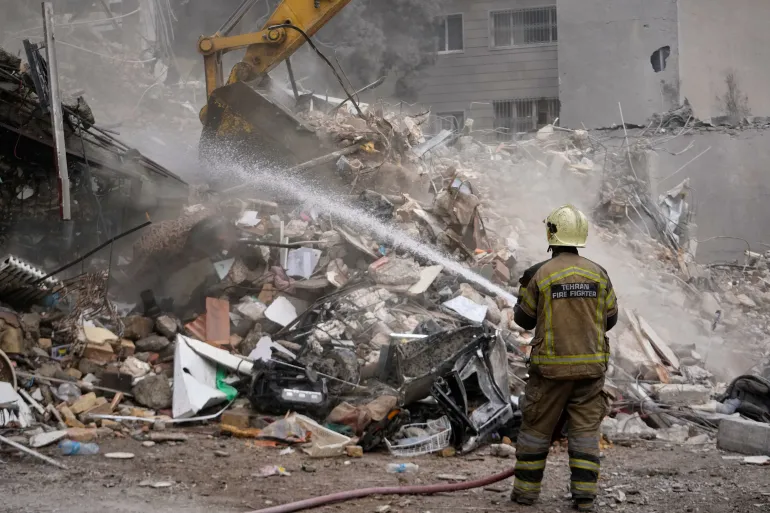
This diplomatic friction occurs amidst continued military action, as Israel launched fresh strikes on Iranian infrastructure shortly after Trump’s announcement. Iranian officials argue that these ongoing attacks prove the U.S. is not seeking a peaceful resolution. They view the offer of a “pause” as a hollow gesture while military pressure continues.
Analysts suggest Trump’s claims may have been a tactic to stabilize volatile oil prices following his previous military threats. By projecting a sense of diplomatic control, the administration briefly calmed global markets.
However, critics in Tehran believe the U.S. is merely attempting to claim a political victory without making real concessions.
The standoff reflects a profound lack of trust, with Tehran viewing the “productive talks” narrative as psychological warfare. As the five-day deadline looms, Iran remains on high alert, warning of immediate retaliation against regional energy sites if struck. They remain firm in their stance, concluding that “if we trust him, we lose.”