



Calls Grow to Strengthen NSA Role Amid Nigeria’s Evolving Security Threats
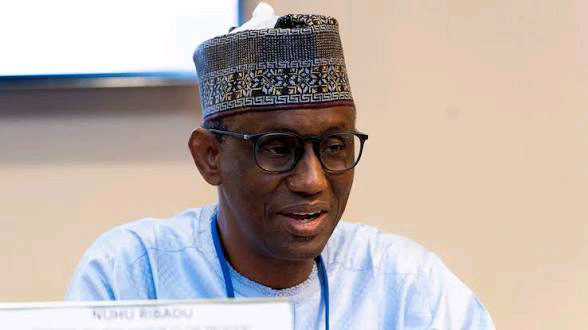
The role of Nigeria’s National Security Adviser (NSA) is coming under increased scrutiny as experts call for stronger coordination and enhanced capacity to address the country’s evolving security challenges.
At the centre of the discussion is the Office of the National Security Adviser, which is responsible for coordinating intelligence, defence strategy and policy across multiple security agencies.
Analysts say the growing complexity of threats from insurgency and banditry to cybercrime and transnational organised crime has heightened the importance of the office, currently led by Nuhu Ribadu.
Under Nigeria’s security framework, the NSA serves as the President’s principal adviser on security matters, working with agencies such as the Department of State Services and the National Intelligence Agency to synthesise intelligence and provide strategic guidance.
However, the office does not have operational control over troops or law enforcement agencies.
Security experts note that while this structure aligns with global practice, it has raised concerns about coordination and response speed, especially during crises involving multiple agencies with overlapping mandates.
The National Executive Chairman of the Joint National Transport Safety Committee of Nigeria, Taiwo Mogobojuri, said the NSA plays a central advisory role but questioned its practical influence in addressing Nigeria’s numerous security challenges.
According to him, the current system may limit the office’s ability to drive decisive action, particularly in situations requiring rapid, unified responses.
Comparative assessments of other countries show varying models. In the United States, the NSA derives influence largely from proximity to the president and policy coordination, while in the United Kingdom, security decisions are often handled collectively through multiple government bodies. Other countries such as Australia, Canada and Israel have established systems supported by permanent staff and specialised intelligence units.
Experts argue that although Nigeria has a solid legal framework, the institutional capacity of the NSA’s office remains limited. They point to reliance on personnel seconded from other agencies, which may affect continuity and long-term strategic planning.
There are growing calls for reforms to strengthen the office through improved intelligence integration, clearer authority in coordinating inter-agency responses and the development of a dedicated professional workforce.
Analysts, however, caution that such reforms should not transform the NSA into an operational commander but rather reinforce its role as a central coordinator capable of ensuring faster decision-making and cohesive responses.
As Nigeria’s security environment continues to evolve, observers say the effectiveness of the NSA’s office will remain critical to the overall performance of the country’s security architecture, with broader emphasis on how institutions collaborate to address emerging threats.