

Cardoso Says Reforms Strengthen Financial Resilience, Boost Investor Confidence
By Momodu Favour
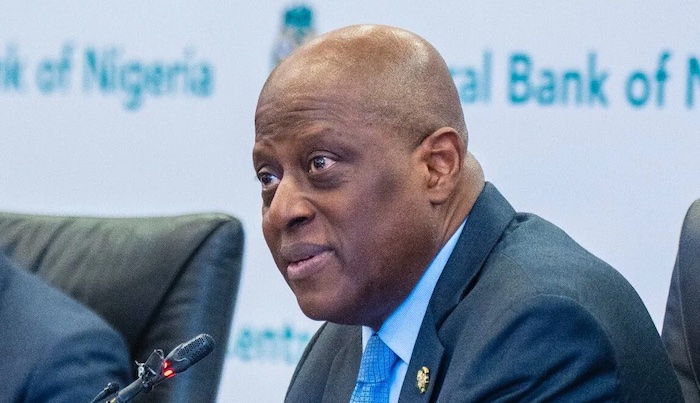
Governor of the Central Bank of Nigeria, Olayemi Cardoso, has reaffirmed that ongoing monetary and structural reforms are reinforcing Nigeria’s economic stability and restoring investor confidence, as the country navigates a period of significant financial adjustment.
Speaking at the Africa Capital Forum in London, Cardoso said recent policy actions by the apex bank have enhanced Nigeria’s resilience to external shocks while delivering measurable improvements across key financial indicators.
The forum, themed “From Stabilisation to Capital Mobilisation,” brought together global investors, policymakers, and development partners to assess Africa’s evolving investment landscape.
The event, co-hosted by the CBN and the UK Foreign, Commonwealth and Development Office, was held on the sidelines of the state visit of Bola Tinubu to the United Kingdom.
Cardoso emphasised that disciplined monetary policy, coupled with structural reforms in the financial sector, has helped rebuild credibility in Nigeria’s economic management.
According to him, these efforts are already yielding tangible results, particularly in attracting foreign capital and strengthening the banking system.
He revealed that foreign investors now account for approximately 28 per cent of total inflows into Nigeria’s ongoing banking sector recapitalisation programme—a development he described as a strong signal of renewed global confidence in the country’s financial system.
The CBN governor also highlighted improvements in the foreign exchange (FX) market, noting that recent reforms have enhanced transparency and liquidity. A newly introduced FX manual, he said, has removed several legacy capital controls and simplified processes for trade and investment, making the market more accessible and predictable for international participants.
“Our focus has been on building a system that is transparent, rules-based, and capable of withstanding shocks,” Cardoso told participants, adding that policy consistency remains critical to sustaining investor trust.
Looking ahead, Cardoso disclosed that the central bank has finalised a new Payments System Vision for Nigeria, which is expected to be launched soon. The initiative aims to position Nigeria as a regional hub for digital and cross-border payments, leveraging technology to deepen financial inclusion and facilitate seamless transactions across borders.
International investors at the forum reportedly expressed optimism about Nigeria’s reform trajectory, describing the policy direction as credible and necessary for long-term growth.
Analysts believe that sustained implementation of these reforms will be crucial in maintaining momentum and translating macroeconomic stability into broader economic development.
The remarks come at a time when Nigeria is seeking to reposition its economy through fiscal discipline, financial sector strengthening, and increased private capital mobilisation key pillars seen as essential for driving sustainable growth in Africa’s largest economy. Central Bank of Nigeria Governor Says Reforms Strengthen Financial Resilience, Boost Investor Confidence
The Governor of the Central Bank of Nigeria, Olayemi Cardoso, has reaffirmed that ongoing monetary and structural reforms are reinforcing Nigeria’s economic stability and restoring investor confidence, as the country navigates a period of significant financial adjustment.
Speaking at the Africa Capital Forum in London, Cardoso said recent policy actions by the apex bank have enhanced Nigeria’s resilience to external shocks while delivering measurable improvements across key financial indicators. The forum, themed “From Stabilisation to Capital Mobilisation,” brought together global investors, policymakers, and development partners to assess Africa’s evolving investment landscape.
The event, co-hosted by the CBN and the UK Foreign, Commonwealth and Development Office, was held on the sidelines of the state visit of Bola Tinubu to the United Kingdom.
Cardoso emphasised that disciplined monetary policy, coupled with structural reforms in the financial sector, has helped rebuild credibility in Nigeria’s economic management. According to him, these efforts are already yielding tangible results, particularly in attracting foreign capital and strengthening the banking system.
He revealed that foreign investors now account for approximately 28 per cent of total inflows into Nigeria’s ongoing banking sector recapitalisation programme—a development he described as a strong signal of renewed global confidence in the country’s financial system.
The CBN governor also highlighted improvements in the foreign exchange (FX) market, noting that recent reforms have enhanced transparency and liquidity. A newly introduced FX manual, he said, has removed several legacy capital controls and simplified processes for trade and investment, making the market more accessible and predictable for international participants.
“Our focus has been on building a system that is transparent, rules-based, and capable of withstanding shocks,” Cardoso told participants, adding that policy consistency remains critical to sustaining investor trust.
Looking ahead, Cardoso disclosed that the central bank has finalised a new Payments System Vision for Nigeria, which is expected to be launched soon. The initiative aims to position Nigeria as a regional hub for digital and cross-border payments, leveraging technology to deepen financial inclusion and facilitate seamless transactions across borders.
International investors at the forum reportedly expressed optimism about Nigeria’s reform trajectory, describing the policy direction as credible and necessary for long-term growth.
Analysts believe that sustained implementation of these reforms will be crucial in maintaining momentum and translating macroeconomic stability into broader economic development.
The remarks come at a time when Nigeria is seeking to reposition its economy through fiscal discipline, financial sector strengthening, and increased private capital mobilisation key pillars seen as essential for driving sustainable growth in Africa’s largest economy.