


Kogi, Adamawa, Benue Lead Nigeria’s February Food Inflation Surge
By Momodu Favour
Food prices continued their upward climb across Nigeria in February 2026, with Kogi State recording the highest food inflation rate at 26.9 percent, according to the latest data on subnational price trends.
The figures highlight growing pressure on household incomes, particularly in states already grappling with economic and security challenges.
Following Kogi, Adamawa State posted 23.1 percent, while Benue State often referred to as the country’s food basket recorded 21.9 percent, raising concerns about supply disruptions and rising production costs.
In the South-South, Bayelsa State reported 18.9 percent, while Edo State followed with 17.7 percent. Rivers State also made the top 10, posting a food inflation rate of 16.3 percent.
Northern states were heavily represented on the list, with Kebbi State at 18.0 percent, Sokoto State at 16.9 percent, and Zamfara State at 16.7 percent. Niger State and Borno State both recorded 16.1 percent.
The Federal Capital Territory also featured prominently, with a food inflation rate of 17.3 percent, underscoring the rising cost of living even in the nation’s capital.
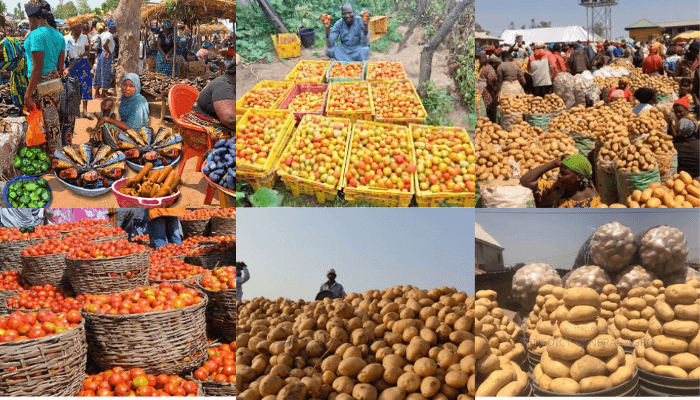
Analysts say the surge in food inflation is being driven by a combination of factors, including insecurity in key farming regions, high transportation costs, currency pressures, and supply chain disruptions.
The trend has heightened concerns about food affordability and access, as many households continue to struggle with rising prices of staple commodities.
Experts warn that without targeted interventions to boost agricultural production, stabilise supply chains, and address security challenges in food-producing areas, food inflation may remain elevated in the coming months.