



Nigeria Seals OPay Offices Over Alleged Tax Evasion Claims
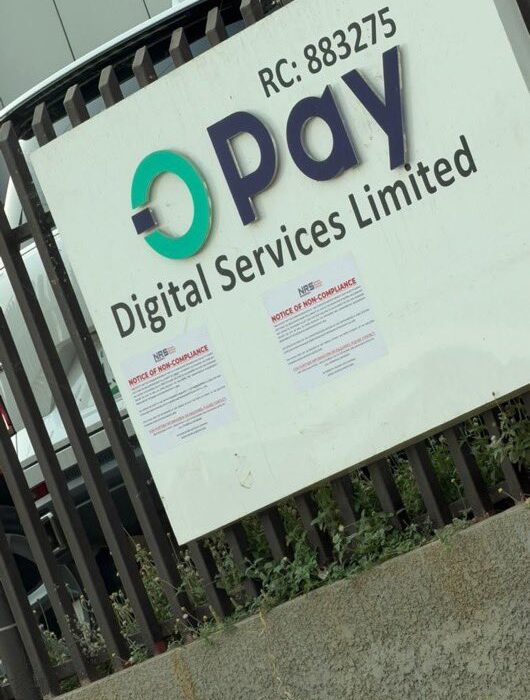
Nigeria’s Revenue Service has shut down OPay’s main offices in Lagos and Abuja, accusing the popular digital bank of dodging taxes.
The move targets issues with Value Added Tax (VAT) and Company Income Tax under the new Nigeria Tax Act 2025. Notices posted on the buildings say the offices stay closed until they get official okay from the service.
For everyday users, this raises worries about their money and services, while experts see it as a push for stricter rules in the fast growing fintech world.
OPay, known for easy mobile payments and banking, faces claims of not paying taxes properly. The Revenue Service acted quickly, sealing the spots to force compliance.
This isn’t the first time fintech firms have clashed with regulators in Nigeria, where digital money apps have boomed but sometimes skipped tax duties. Simple folks might wonder if their savings are safe, but officials say customer accounts aren’t directly hit yet.
The shutdown could slow down OPay’s operations, affecting millions who use it for transfers, bills, and loans. Users are urged to keep an eye on updates, as the company might shift to online only for now. Analysts point out that fixing these tax problems could cost OPay big fines or back payments, testing its strength in a competitive market with rivals like PalmPay and Moniepoint.
Public reactions are mixed, with some users joking about pulling out small savings fast, while others blame the government for targeting helpful services. Social chatter shows fear of losing access, but also support for fair taxes to fund public needs.
Skeptics question if it’s really about taxes or bigger control over fintech.
This highlights Nigeria’s drive to collect more revenue from booming sectors amid economic pressures. If resolved quickly, OPay could bounce back stronger, but delays might push users elsewhere. It reminds everyone users and companies to stay on top of rules for smooth digital banking.