
Trump Threatens Escalation in War Against Iran Unless.
The war of words between Washington and Tehran has erupted into a full-blown regional conflict, leaving ordinary citizens across the Middle East caught in the crossfire.
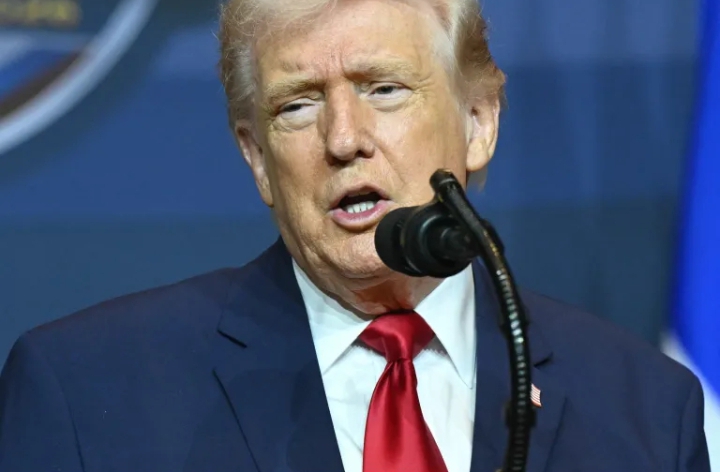
With US President Donald Trump vowing to hit Iran “very hard,” and Iranian President Masoud Pezeshkian dismissing surrender as a “fantasy,” the two nations are locked in a dangerous standoff that has shut down Dubai’s airport, sent oil prices toward $90 a barrel, and resulted in confirmed casualties including six US service members.
But beneath the fiery rhetoric, this is more than just a clash of armies—it is a battle of narratives playing out in the skies above your cities and in your household budgets.
When President Trump threatens “complete destruction and certain death” for “areas and groups of people not previously considered,” he is signaling a shift in US strategy. For the average observer, this sounds like the prelude to broader war. For analysts, it reflects an intensified “Maximum Pressure” campaign.
By expanding potential targets, Trump aims to raise the cost of Iranian retaliation, pressuring Tehran toward negotiations on US terms. History suggests cornered regimes can respond unpredictably, with risks extending to Gulf stability where oil prices near $90 strain budgets from gas stations to imports.
In contrast to Trump’s stance, Pezeshkian’s apology to neighboring countries marks a notable shift. For a nation framing itself as the “axis of resistance,” this acknowledges spillover effects from its strikes.His offer to suspend attacks comes conditionally: only if those countries cease hosting operations against Iran. This targets the US, Israel, UAE, Saudi Arabia, and Qatar, sowing doubt: Is US protection worth repeated air defense activations?
While presidents trade threats, ground realities are grim. Fire and smoke at Tehran’s Mehrabad Airport and shrapnel near Dubai International highlight borderless risks, with civilian flights disrupted. Gulf states face heightened alerts. Bahrain reports intercepting 148 drones and 86 missiles since late February; UAE halted flights after downing ballistic missiles. These near-misses involve civilian airspace.
Oil crossing toward $90 isn’t just for traders—it’s a hit to drivers, households, and global trade. A prolonged Strait of Hormuz crisis could push prices higher, amplifying costs worldwide.
As the US prepares to return six fallen service members and amid Iranian and Israeli losses, de-escalation windows narrow. Trump bets on induced pain for submission; Pezeshkian on endurance for stalemate. Gulf residents wait anxiously.