



From Paris to Abuja: Could Fabbrick Be Nigeria’s Answer to Heat and Waste?
On any given day in cities like Abuja, the heat doesn’t just sit in the air, it settles into walls, roofs, floors, and living spaces. Without enough trees to soften the climate, many homes trap warmth instead of releasing it, leaving residents to rely heavily on artificial cooling in a country without stable electricity.
At the same time, another problem quietly growing is waste. Piles of discarded clothing, fast fashion leftovers, and unused fabrics continue to accumulate, with limited large-scale systems to repurpose them effectively.
In Nigeria, the scale is significant. The country generates over 32 million tonnes of solid waste annually, according to estimates from the World Bank and a growing fraction of this comes from textiles and fashion-related waste.
But thousands of kilometres away in France, a company is rethinking both problems at once.
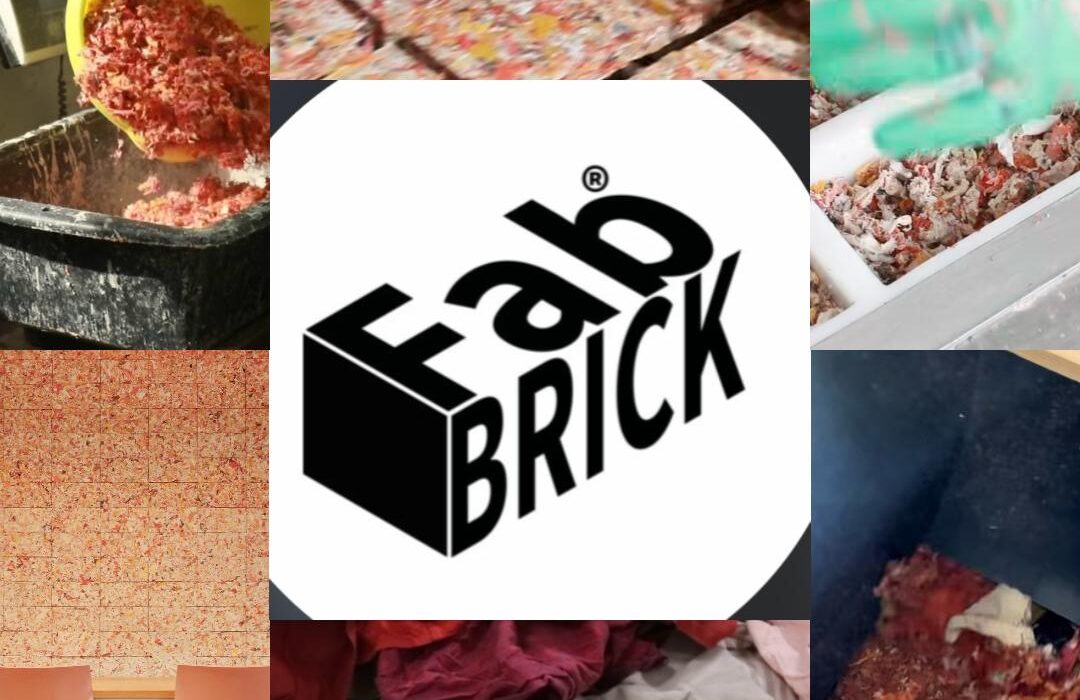
Fabbrick founded by Clarisse Merlet, is transforming textile waste into compressed, brick-like materials used for interior design and architectural elements. By shredding unwanted fabrics and binding them with eco-friendly adhesives, the company produces colourful, insulating bricks that are already being used in walls, furniture, and creative installations.
Each brick tells a different story literally because its colour and texture depend on the fabrics used. But beyond aesthetics, the bricks serve a functional purpose: they provide thermal and acoustic insulation, helping regulate indoor temperatures.
For countries like Nigeria, that function could be more than just innovative it could be necessary.
Across many parts of the country, especially in northern regions, heat intensity continues to rise. Urban expansion has led to fewer trees, and traditional building materials largely designed without climate adaptation in mind, often trap heat instead of reducing it.
This raises an important question:
What if solutions like FABBRICK were not just observed from afar, but adopted locally?
A localized version of this model, whether through collaboration with existing innovators or the creation of homegrown alternatives could serve multiple purposes at once.
First, it could provide a practical response to Nigeria’s growing textile waste problem. Discarded clothes and fabric scraps, instead of ending up in landfills or drainage systems, could become raw materials for design and interior applications.
Second, it could introduce a new layer of climate-conscious living. Fabric-based bricks, used strictly for interiors, such as wall panels, partitions, art pieces, and decorative flooring, could help absorb and regulate heat within buildings, reducing the intensity of indoor temperatures during extreme weather.
However, unlike conventional building materials, these fabric bricks are not yet suited for structural construction and may raise concerns around fire resistance. This means their immediate value lies not in replacing cement blocks, but in complementing existing structures through interior design solutions.
Interestingly, this conversation also reconnects with something older.
Long before cement became dominant, many African communities built with mud. Traditional mud houses were naturally insulating, helping to keep interiors cool during the day and warm at night. In many ways, they were already climate-responsive.
This presents a compelling possibility: rather than fully replacing one system with another, sustainable living in Nigeria could come from combining indigenous knowledge with modern innovation, mud-based construction for structural cooling, and fabric-based materials for interior insulation and design.
And third, it opens up economic opportunities. From collection and sorting to processing and design, such an initiative could create jobs while building a circular economy around waste.
Still, innovation rarely arrives fully formed. It evolves through adaptation.
What works in Paris may not work the same way in Abuja, but that doesn’t mean it cannot work at all. It means it must be reimagined.
As Nigeria continues to navigate rising temperatures, urban expansion, and increasing waste, the need for locally relevant, sustainable solutions becomes more urgent. And sometimes, those solutions begin not with entirely new inventions, but with the decision to rethink and reshape ideas that already exist.
Because in the end, the future of sustainable living in Africa may not just depend on what we import, but on what we are willing to build, adapt, and own.
Phebe Obong writes on politics, youth development and human-interest stories.