

Iran’s Acting Defense Minister Eliminated Less Than 24 Hours After Appointment
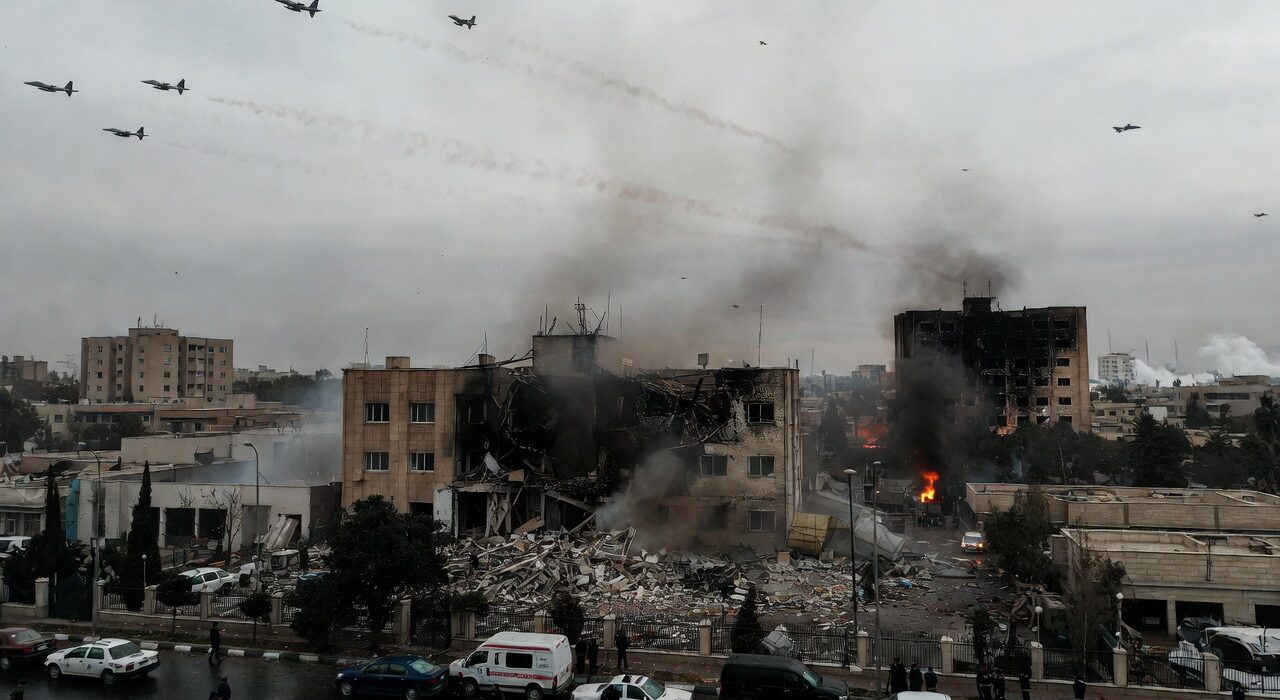
Israeli media reported that Iran’s newly appointed acting Defense Minister, Seyed Majid Ebn Al-Reza also referred to as Majid Ebnelreza or Majid ibn al-Reza), has been eliminated in a targeted strike.
The brigadier general in the Islamic Revolutionary Guard Corps (IRGC) was named to the post by President Masoud Pezeshkian on March 2, replacing Aziz Nasirzadeh, who was killed in the initial joint US-Israeli airstrikes on February 28. Ebn Al-Reza previously served as deputy defense minister.
The strike, which occurred in Tehran, comes amid an ongoing US-Israeli military campaign that began with large-scale attacks on February 28. Those operations reportedly eliminated Supreme Leader Ayatollah Ali Khamenei, IRGC commander Mohammad Pakpour, armed forces chief of staff Abdolrahim Mousavi, security adviser Ali Shamkhani, Defense Minister Aziz Nasirzadeh, and numerous other senior figures.
Iranian officials have not yet confirmed or denied the report on Ebn Al-Reza. The claim originated from Israeli media and spread rapidly through international outlets.
This development deepens Iran’s leadership crisis. With the supreme leader deceased and an interim council in place, the repeated targeting of defense ministers disrupts military coordination, including missile operations, drone deployments, and responses to ongoing strikes.
The campaign has achieved air superiority over Tehran and western Iran, enabling direct munitions drops and strikes on nuclear sites like Natanz, air defenses, ballistic missile infrastructure, and regime security apparatus. Over 200 air defense systems have been targeted since February 28.
Iran has launched retaliatory missile and drone attacks on US bases and Israeli targets across the Middle East, causing casualties and disruptions in countries including Lebanon, the UAE, Qatar, Kuwait, and Iraq. Civilian deaths in Iran have exceeded 500 according to reports from the Iranian Red Crescent.
The pattern of eliminating key figures prevents stabilization of Iran’s command structure, potentially slowing counteroffensive and increasing internal pressures. Oil markets remain volatile due to risks to Gulf production and shipping.
This remains a developing situation as the conflict enters its second week. Further official statements from Tehran or international sources are awaited.