

₦10bn Hajj Loan Not Subsidy, Kebbi Government Tells MURIC
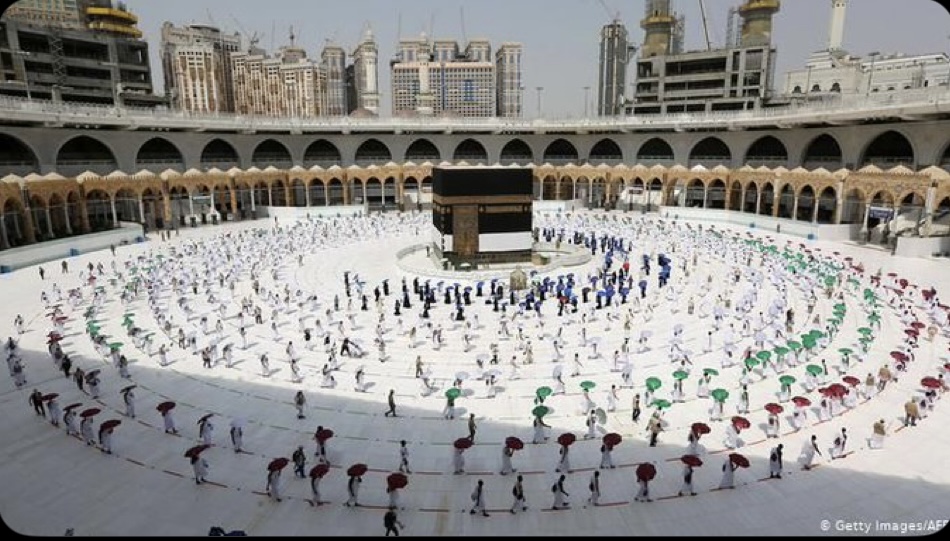
The Kebbi State Government has clarified that the ₦10 billion released to support intending pilgrims for the 2026 Hajj was a recoverable loan, not a subsidy, dismissing criticisms by the Muslim Rights Concern (MURIC) over the use of public funds
The clarification followed concerns raised by MURIC, which questioned the propriety of deploying state resources for religious pilgrimages at a time of economic pressure and competing social needs. Addressing journalists in Birnin Kebbi, the Commissioner for Information and Culture, Alhaji Yakubu Ahmed, explained that the fund was advanced to the Kebbi State Pilgrims Welfare Agency strictly as a short-term intervention to meet payment deadlines set by the National Hajj Commission of Nigeria (NAHCON). According to the commissioner, many intending pilgrims had paid only part of their Hajj fares and risked losing their slots due to NAHCON’s strict timelines. The state, he said, stepped in to bridge the funding gap temporarily so the slots would not be forfeited. The ₦10 billion was not a gift or subsidy. It was a loan to secure Kebbi’s Hajj slots, and it has been fully repaid into the state treasury,” Ahmed stated. He disclosed that the money was recovered in full by December 16, 2025, adding that records of the repayment were available for verification. The intervention, he said, helped the state confirm 3,629 fully paid pilgrims, placing Kebbi among the states with the highest number of pilgrims for the 2026 exercise. The commissioner also noted that many pilgrims in the state are farmers and traders whose income cycles made it difficult to meet the initial payment deadline, stressing that the loan was meant to protect their chances of participating in the pilgrimage. Reacting earlier, MURIC had warned that government involvement in Hajj financing could set a troubling precedent and divert funds from essential sectors such as healthcare and education. The group urged transparency and caution in handling public resources linked to religious activities. However, the Kebbi State Government maintained that the move did not affect allocations to critical sectors and should be seen as an administrative measure rather than religious sponsorship. Hajj financing has remained a sensitive issue nationwide, especially amid rising costs, foreign exchange pressures and tighter regulations by NAHCON, with several states adopting different strategies to secure their allotted pilgrim slots.