



Global Oil Markets React to Iran Conflict
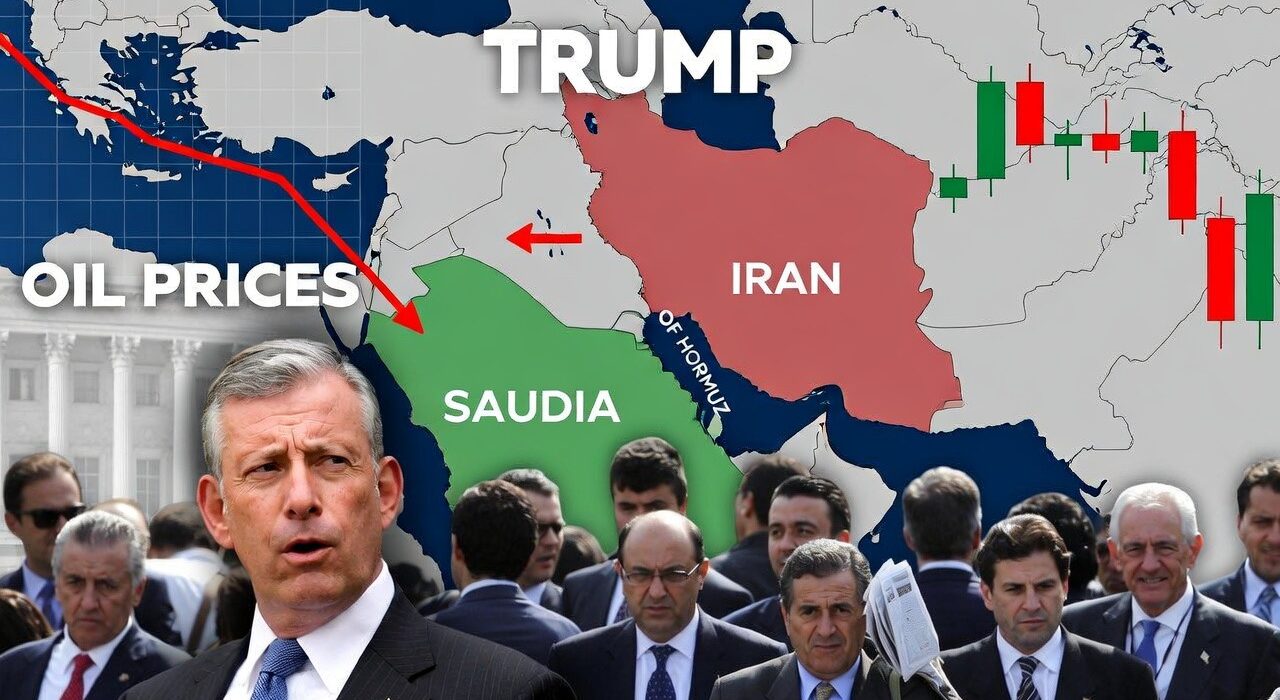
Global oil prices surged on Monday as rising tensions between the United States, Israel, and Iran rattled investors and raised concerns about disruptions to energy supplies from the Middle East.
US crude benchmark West Texas Intermediate jumped 8.6 percent to $72.79 per barrel in early trading, up from around $67 on Friday, according to CME Group. International benchmark Brent crude rose 9 percent to $79.41 per barrel, reaching a seven-month high, based on FactSet data.
The price surge came after ongoing air and missile strikes. US President Donald Trump said military actions would continue until US goals are met, while Iran fired missiles across the region, raising fears the conflict could spread.
Attention is focused on the Strait of Hormuz, a key shipping route for roughly one-fifth of the world’s seaborne oil. While the strait remains open, shipping has slowed, with some tankers avoiding transit due to safety and insurance concerns. Two vessels were attacked over the weekend.
Jorge Leon, head of geopolitical analysis at Rystad Energy, told Reuters that prolonged disruption could prevent millions of barrels per day from reaching global markets, likely pushing prices higher if tensions continue.
Higher oil prices are expected to increase fuel and consumer costs worldwide, adding pressure to economies already facing inflation.
In response, members of the OPEC+ said they would boost production by 206,000 barrels per day in April. This increase, announced by the Organization of the Petroleum Exporting Countries and its allies, exceeded analyst expectations.
Stock markets also slipped. Japan’s Nikkei index fell 1.3 percent, while shares across Asia-Pacific dropped. European futures were down, and US stock futures also fell in early trading.
The dollar strengthened as investors sought safe assets, reflecting concern over the unfolding crisis.