


Stranded in Djibouti: Deportation Mission Unravels into Crisis
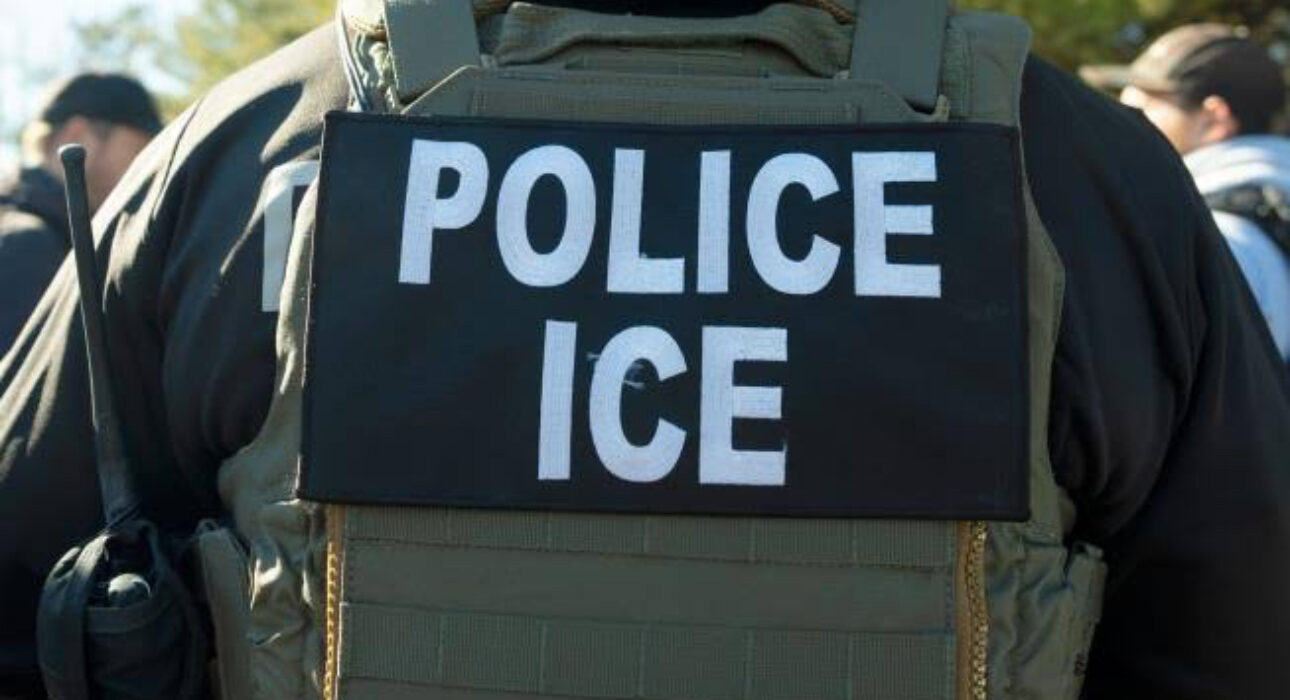
A high-stakes U.S. deportation mission has turned into an international humanitarian crisis as eight deported migrants and thirteen U.S. Immigration and Customs Enforcement (ICE) officers remain stranded at a U.S. military base in Djibouti under increasingly dire conditions.
The group, held in a repurposed shipping container at Camp Lemonnier, a U.S. naval base, is reportedly enduring intense heat, toxic smoke from burn pits, limited access to medical care, and rising security threats — the result of a deportation plan abruptly halted by a U.S. federal court.
The migrants, originating from countries such as Cuba, Vietnam, Myanmar, Laos, Mexico, and South Sudan, had previously been convicted of serious crimes and were being deported under renewed enforcement actions by the Trump administration. However, the situation unraveled when U.S. District Judge Brian E. Murphy ruled that the government had violated a standing court order by attempting to deport them to third countries without proper due process.
Following the court’s ruling, the deportation flight was diverted to Djibouti, where neither safe disembarkation nor legal clearance had been arranged. The group has since been stuck at the remote base, effectively detained under hazardous conditions while legal and diplomatic efforts stall.
Reports from sources within the base describe conditions as inhumane and medically dangerous. With temperatures exceeding 100°F (38°C) and thick smoke from open burn pits nearby, detainees and ICE officers alike are reportedly suffering from respiratory illnesses, dehydration, and stress-related symptoms. Many began showing signs of bacterial infection within days of arrival, aggravated by poor ventilation, inadequate bedding, and insufficient medical attention.
Security concerns have also escalated, with the base positioned in a volatile region where rocket attacks from neighboring areas pose a potential risk. Officials fear the compound is ill-equipped to handle a prolonged humanitarian and security emergency.
The Department of Homeland Security (DHS) has pushed back against the federal court’s decision, arguing that it obstructs lawful immigration enforcement and endangers national security. The Justice Department has escalated the matter to the U.S. Supreme Court, seeking to resume expedited deportations to third-party countries while challenging the legality of the court order.
In contrast, human rights advocates and immigration attorneys are sounding alarms over the conditions and lack of access to their clients. Advocacy groups accuse the administration of ignoring international norms and risking lives in pursuit of political objectives.
“This is a blatant violation of human rights and a humanitarian disaster unfolding in real time,” said one legal advocate, noting that detainees have been cut off from legal communication and left in legal limbo.
This incident marks a significant escalation in the clash between federal immigration enforcement and judicial oversight. It comes amid a broader push by the Trump administration to expand expedited removals and pursue deportations to third countries, even where those countries have no formal repatriation agreements with the U.S.
Experts say the case could set a critical precedent for the limits of U.S. deportation authority and the rights of migrants in transit. “The humanitarian cost of policy overreach is being paid in real time by both migrants and U.S. personnel caught in the middle,” said one policy analyst.
As temperatures rise—both literally and politically—the fate of the stranded group remains uncertain. With no immediate resolution in sight, the crisis underscores the fragility and complexity of international deportation logistics, especially when challenged by legal and human rights obligations.
For now, Camp Lemonnier serves not just as a military outpost but as an unintended symbol of the conflict between immigration enforcement and judicial accountability—a flashpoint with potentially far-reaching implications for U.S. policy and international law.