



Senate Moves to Expand Education Funding to Unity Colleges, Military Schools
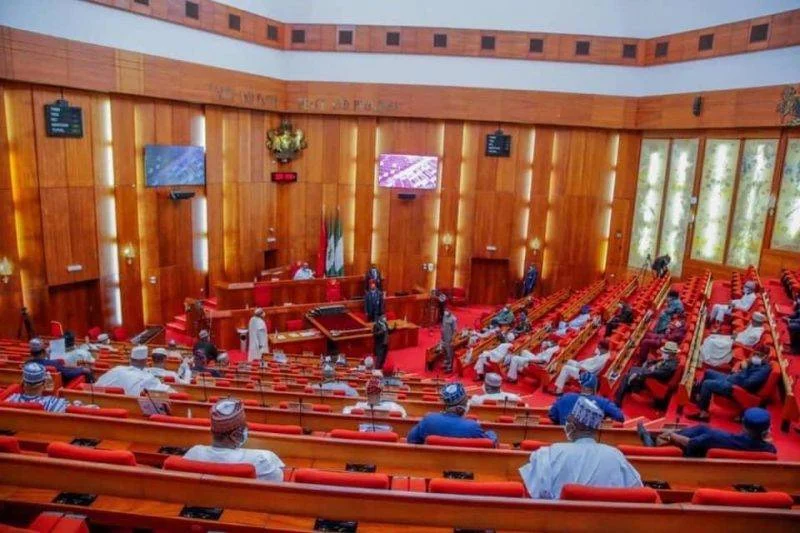
The Nigerian Senate has begun efforts to improve funding, infrastructure and oversight in public senior secondary schools across the country, with a proposed amendment seeking to extend education interventions to Federal Unity Colleges and senior secondary schools operated by the Armed Forces.
The proposed National Senior Secondary Education Commission (Amendment) Bill, 2026, sponsored by Senate Leader Opeyemi Bamidele, scaled second reading during Tuesday’s plenary despite concerns raised by Senator Adams Oshiomhole over the availability of copies of the bill for lawmakers to examine.
The legislation seeks to strengthen the legal framework for senior secondary education and improve the coordination, funding and delivery of government interventions across the country.
Leading the debate, Bamidele, who represents Ekiti Central Senatorial District, said persistent challenges involving school infrastructure, teaching materials, laboratory facilities and disparities in educational standards among states had made a review of the existing law necessary.
He stressed the importance of senior secondary education in preparing young Nigerians for higher education, technical and vocational training, skills acquisition and productive participation in the economy.
According to him, the proposed amendments would improve the administration and coordination of public senior secondary education, including in the Federal Capital Territory, while ensuring that government support reaches schools effectively.
The bill also proposes the establishment of education boards at state and FCT levels to bring intervention programmes closer to schools and the communities they serve.
It further provides for funding interventions in Federal Unity Colleges and Armed Forces senior secondary schools to address infrastructure deficiencies and shortages of educational resources.
However, Bamidele cautioned that changes to the law alone would not guarantee better educational outcomes without transparent funding arrangements and effective monitoring.
He said successful implementation would require clear operational guidelines, transparent allocation criteria, financial accountability and stronger coordination between the commission and relevant authorities.
The Senate Chief Whip, Mohammed Monguno, supported the proposal, arguing that improved funding and coordination would make senior secondary education more accessible to communities nationwide.
Senators Diket Plang and Ahmad Lawan also backed the bill, expressing optimism that strengthening the commission would improve curriculum delivery, educational standards and students’ learning outcomes.
Lawan criticised state governors over what he described as their failure to make effective use of funds available through the Universal Basic Education Commission to improve schools.
He also expressed concern that some governors had failed to provide the counterpart funding required to access UBEC support for educational development.
Oshiomhole, however, questioned the legislative process, asking why senators were expected to consider amendments to an existing law without receiving copies of the proposed legislation for proper scrutiny.
Despite his objection, the Senate passed the bill for second reading through a voice vote and referred it for further legislative consideration.
The proposed amendment comes amid concerns over inadequate school facilities, unequal access to learning resources and differences in educational standards across Nigeria.