Asiwaju Taught Me Politics 901 But Oyo APC Is Teaching Me Politicking 419
I have long posited that politics is a subject you cannot fully learn in a lecture hall. Every political season is a practical examination. Asiwaju taught me Politics 901. Right now, the APC in Oyo State is teaching me Politics 419, the advanced and field-tested course that no textbook contains. That is why we who study politics in real time, with the dust of the arena on our feet, often read the game better than those who learn it from lecture notes or social media threads.
Analysts have said everything. Some say Oyo will never go APC. Some say Seyi Makinde will win. Some call it fifty-fifty. I will be honest about where I stand: I personally don’t agree with Seyi Makinde and I am disappointed in his decision to turn his ambition against a sitting Yoruba president.
Yoruba political history has a lesson here. In 1999, the AD did not back Obasanjo, and Olu Falae carried its flag. By 2003, with a Yoruba man in Aso Rock, the AD fielded no presidential candidate at all. They understood that sometimes the wise calculation is to hold your ambition and keep the larger family intact.
The reason why I dislike Makinde’s guts is that there are some people beating the drum of “Máa jọ lọ mọ́n wọ ẹ̀yìn rẹ.” (Keep dancing away, I am watching your back) which he does not know that these people will disappear into thin air when all is said and done. I expect him to be wiser and more aware of these old political games.
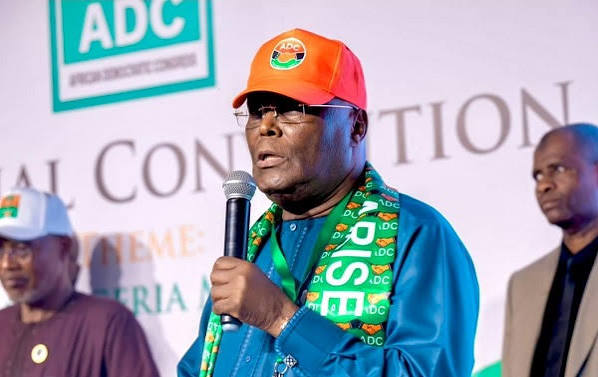
Makinde has taken the opposite road. He declared his 2027 presidential ambition at the PDP–APM alliance rally in Ibadan, and he was an open supporter of Tinubu in 2023 before turning critic in 2025. A man is entitled to change his mind. But young, smart and popular is not the same as politically invincible. When the cheering crowd starts to shape your calculations, you are one step away from the mistake that ends a career. Bukola Saraki learned that the hard way, and we all know how he is struggling to climb back up. Ẹni tí kò bá mọ ibi tí ó ń lọ, kí ó mọ ibi tí ó ti ń bọ̀. (If you do not know where you are going, at least remember where you are coming from.)
Picture sitting at a gathering when, one by one, the chairs are removed and the people around you quietly leave. That is the picture of Oyo politics today.
His was first left high and dry by his strongest ally Ambassador Taofeeq Arapaja then Segun Ogunwuyi resigned as Chief of Staff on October 12, 2026, to become several senior aides to leave the government in the past two months. His resignation letter gave no reason. Fatai Owoseni, Babatunde Oduyoye, Damilare Gideon Amusan, Rasak Gbadegesin Kareem and Peter Oyetunji have also resigned, along with many others, and the departures keep coming. Whatever each person’s private motive, the message to the governor is hard to miss: the people who stood closest to him are no longer walking the same road with him.
Yoruba people say a good ally stays on the war front. Too many of those who clapped loudest for Seyi seem to have said, “Go and fight, we are watching,” and then vanished. That is the real danger of ambition built on applause rather than on structure.
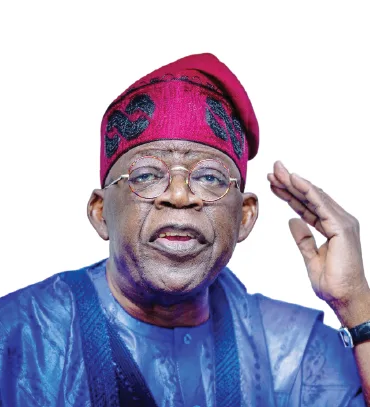
Asiwaju’s school of politics is the one I know best. You win people with ideas, with superior policy, with the better argument. When you need others to step down, you do not bully them. You say, “Here is the candidate. Tell me what you need, and I will make it right.” That is why wherever Asiwaju intervened, the dust settled. Nobody was left out in the cold. Àgbájọ ọwọ́ la fi ń sọ̀yà. (It is with joined hands that the chest is beaten in pride.)
What Oyo APC is showing us now is the next level. The questions I keep asking are the ones every student of politics should ask. What was offered, and what was understood, that pulled Makinde’s closest allies out from behind him so quietly? Is it the President’s record, with the road projects like the Idi-Araba–Ayede–Olodo Road (30km) which cost ₦98 billion, Igbeti Road rehabilitation (₦82 billion), Igbeti–Soro–Kishi Road or the Badeku–Jaiye Road (13km) which cost ₦15.5 billion and of course the most recent 17.1MW mini grid project, infrastructure that APC loyalists point to in Oyo? Or is a strong hand at work behind the scenes?
I do not claim to know the answer, but I will ask the questions openly. Could it be Sarafadeen? Could it be Zacch Adedeji? Could it be Arapaja, the man said to have been the first to pull out of Seyi’s camp? These are questions, not accusations. Whoever is orchestrating this deserves credit for the discipline.
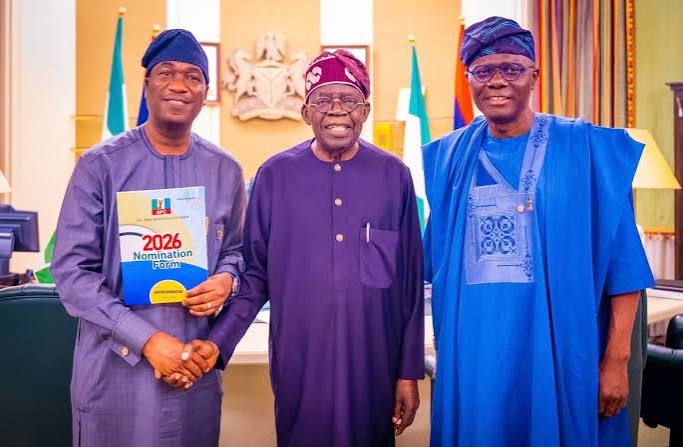
What impresses me most is that Oyo APC is not only pulling chairs from under its rival. It is rebuilding its own house. President Tinubu met Senator Teslim Folarin and Senator Fatai Buhar to resolve lingering disagreements in Oyo APC and get influential leaders working together, after the primary that produced the governorship candidate. Now Senator Folarin, the leader of the party in the state, has joined senior party figures in endorsing the President and all APC candidates. That is the opposite of what the opposition hoped for. They were counting on these grievances as an opening. Instead, wounds are being dressed and aggrieved members are being welcomed back.
The party is following the President’s instruction to go home, settle your differences, and deliver your state. It is a model every other APC state chapter should copy: settle internal quarrels, bring home the aggrieved, and enter the contest as one family.
Politics rewards the man who reads the room. If the room is emptying, wisdom says stop and recalculate. Governor Makinde can still do that. And if he chooses to press on, this is a democracy, and he is free to try his luck. But he should remember this: Ilé ni a ti ń kọ́ ẹ̀sọ́ ròde. (Good conduct is learned at home.) A leader who cannot hold his own household together will struggle to hold a nation.
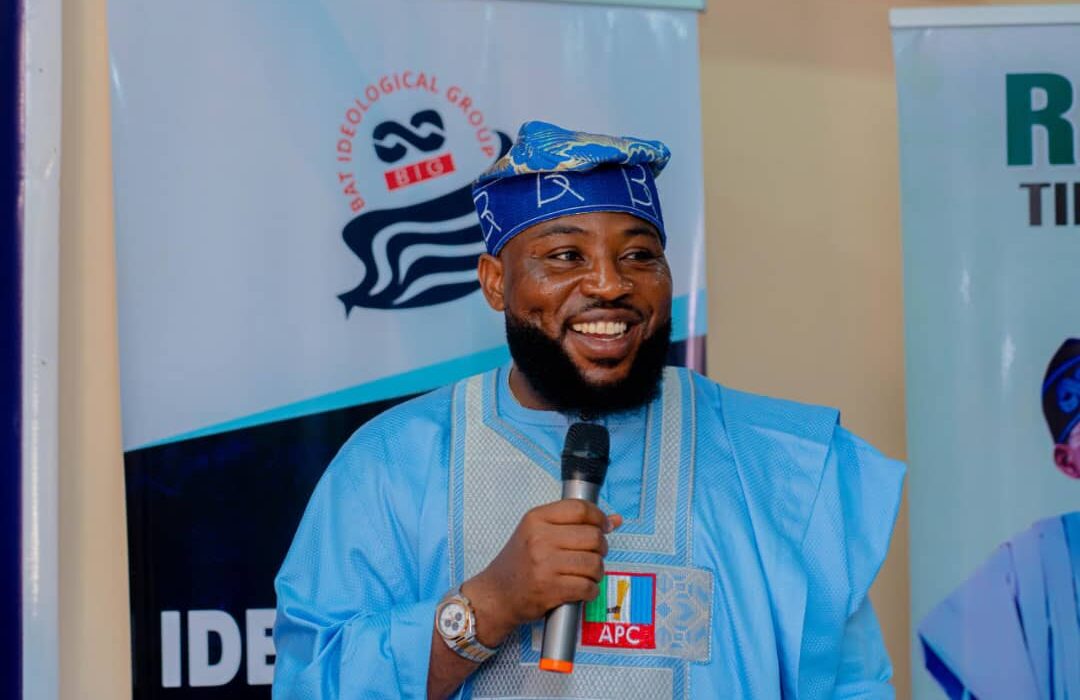
Bamidele Atoyebi is the convenor of BAT Ideological Group, National Coordinator of Accountability and Policy Monitoring and a publisher at Unfiltered and Mining Reporting and political social worker