
Tinubu Declares End of “Emergency Treatment,” Makes Cost of Living Top Priority in 66th Independence Address
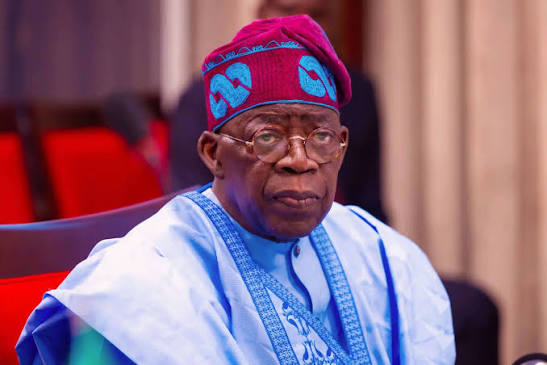
President Bola Tinubu has declared that the “emergency treatment” of Nigeria’s economy is over, saying his administration’s next priority is to bring down the cost of living by lowering the cost of producing and moving goods and services across the country.
In his 66th Independence Day address to the nation on Thursday, October 1, 2026, themed “From Reform to Prosperity,” Tinubu said the reforms implemented since he took office in May 2023 had corrected Nigeria’s economic course and laid the foundation for a new phase of shared prosperity.
“Our priority is to bring down the cost of living. We will achieve this by lowering the cost of producing and moving the things Nigerians consume,” the President said.
Tinubu framed the speech as a turning point. After three years of what he described as painful but necessary economic reforms, he said Nigeria had reached a stage where the focus must shift from stabilisation to widespread prosperity.
“The emergency treatment is over. The foundation has been repaired,” he said.
He acknowledged that the reforms had produced real hardship, comparing Nigeria’s pre-2023 economy to a cancer patient who had been given morphine instead of treatment. “For too long, Nigeria’s leaders chose morphine while praying for a miracle that never came,” Tinubu said. “We chose to excise the cancer. The side effects were real. Yet, we must never confuse the medicine with the disease.”
He urged Nigerians to resist calls to return to what he described as “addictive subsidies,” warning that doing so would reverse the gains already made.
The President outlined a series of measures aimed at reducing the cost of food and transportation, which he identified as central to easing the burden on households. These include expanding mechanised irrigation and dry-season farming, improving access to seeds and fertiliser, increasing agricultural mechanisation, and investing in storage and transportation infrastructure.
He also said the government is building and completing roads, railways and ports to connect farms and factories to markets, with the aim of reducing the cost of moving agricultural produce and manufactured goods across the country.
“Our logic is simple,” Tinubu said. “When a farmer produces more cheaply, when fewer crops are lost between the farm and the market, when a manufacturer spends less on electricity, when a truck reaches its destination faster, and when the business environment fosters fair competition, all those savings will ultimately find their way into the price of goods in the market.”
Economic Indicators and Social Support
Tinubu cited economic growth of more than four per cent in 2026, with both oil and non-oil sectors contributing, alongside declining inflation, rebuilt foreign reserves, and a stabilised foreign exchange market. He also highlighted record non-oil export revenue exceeding $6 billion in 2025.
He acknowledged that millions of Nigerians remain under pressure, struggling to afford food, education, healthcare and transportation. To address this, he pointed to the expansion of the National Social Register, consumer credit through CREDICORP, and the Nigerian Education Loan Fund (NELFUND) for students from low-income families.
Political and Economic Context
The address comes as Nigerians continue to face elevated food and fuel prices despite a decline in headline inflation to 15.39 per cent in August 2026. Food inflation remains high at 20.31 per cent, and the cost of cooking gas and diesel has risen sharply in recent weeks.
The Lagos Chamber of Commerce and Industry (LCCI) has called for urgent measures to reduce the cost of living and doing business, describing the recent reduction in the Monetary Policy Rate to 23 per cent as a welcome signal of growing confidence in the disinflation process.
Opposition figures and civil society groups have criticised the administration’s economic record, pointing to persistent hardship and insecurity. The Human Rights Writers Association of Nigeria (HURIWA) said the promise of prosperity remained undermined by poor governance, weak institutions and insecurity.
What’s Next
The success of Tinubu’s stated priority will depend on whether the measures he outlined translate into measurable reductions in the prices Nigerians pay for food, transportation and other essentials. The government has committed to expanding mechanised farming, improving infrastructure and strengthening social safety nets. Whether these interventions produce tangible relief in the coming months will shape public confidence in the administration’s “age of prosperity” narrative.