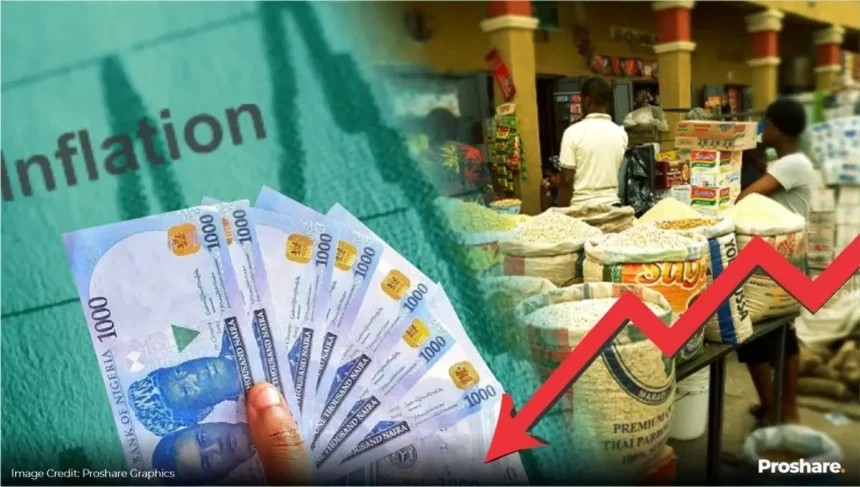


Naira Gains Nearly 8 Percent Against Dollar as FX liquidity Improves
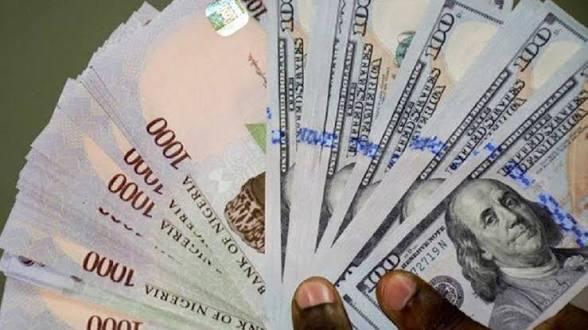
The naira has strengthened by close to eight percent against the dollar over the past nine months, buoyed by improved liquidity in Nigeria’s foreign exchange market and a steady build up in external reserves.
On Monday, the currency traded at N1,385 per dollar in the parallel market, popularly known as the black market, with operators quoting N1,380 for buying and N1,385 for selling. That marks a gain of 7.94 percent, or N110, compared with the N1,495 rate recorded on January 14, 2026.
The improvement was not limited to the parallel market. Figures from the Central Bank of Nigeria show the naira also firmed up in the official market, appreciating by N93.14 over the same nine month stretch. The dollar closed at N1,326.52 on Friday, representing a gain of about 7.02 percent from the N1,419.66 rate quoted on January 13, 2026.
Supporting the currency’s recovery has been a steady rise in Nigeria’s external reserves, which grew by close to 19 percent since the start of the year to reach $54.41 billion in September, up from $45.74 billion in mid January. According to a report from Quest Merchant Bank, conditions in the FX market improved further in August, with inflows through the Nigerian Autonomous Foreign Exchange Market rising by 19 percent from the previous month to $5.2 billion, the second straight month of growth. On a year on year basis, total inflows climbed by 54 percent, a rise the bank attributed to stronger participation from both local and foreign sources.
Offshore inflows rose 29 percent from the prior month to $1.9 billion, with foreign portfolio investment accounting for the bulk of that at $1.7 billion, up 32 percent, as investors chased attractive returns amid high domestic yields. Inflows from other foreign corporates and portfolio sources also grew, albeit more modestly, while local participants remained the dominant source of dollar supply, contributing about 64 percent of total inflows after a 14 percent rise to $3.3 billion. The central bank kept up its own market support as well, with FX sales holding steady at $1.4 billion for the month, even as analysts noted that its continued presence pointed to underlying demand pressures that have yet to fully ease.
Rising crude oil prices also played a part, with exporter inflows climbing 30 percent from the previous month to $1.2 billion, while contributions from local corporates and individuals rose sharply too. Quest Merchant Bank said it expects the positive momentum to continue, pointing to elevated domestic yields, firmer oil prices and ongoing reforms by the central bank as factors likely to keep dollar inflows strong and support further stability in the naira in the months ahead.