
Osun Traditional, Religious Leaders Commit to Ending Violence Against Women
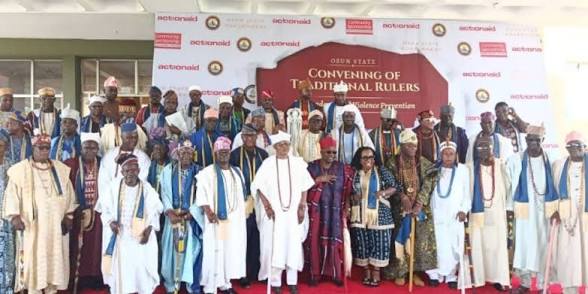
Traditional and religious leaders in Osun State have pledged to discourage cultural and spiritual practices that encourage violence against women and girls, reaffirming their commitment to promoting safer communities and protecting the rights of women.
The commitment was made during separate consultative forums held in Osogbo and organised by the Centre for Women’s Health and Information (CEWHIN) with support from the Ford Foundation as part of efforts to strengthen community-led responses to violence against women and girls.
The programme, implemented under the Ford Partnership for Violence Prevention Project, brought together traditional rulers, religious leaders and other community stakeholders to examine harmful social and cultural norms that contribute to gender-based violence and identify practical measures to address them.
Participants also discussed strategies for promoting accountability, protecting survivors and strengthening the role of traditional and religious institutions in preventing abuse within their communities.
At the end of the sessions, the participants resolved to extend the training to community leaders in their respective domains and review cultural practices that violate the rights and dignity of women with the aim of eliminating such traditions.
The traditional ruler of Ara Kingdom, Oba Olubayo Windapo, stressed the need to reform customs that undermine human dignity, urging communities to begin educating children from an early age about harmful cultural practices and encouraging victims of abuse to speak out.
Also speaking, Olori Abisola Aderibigbe Okunade Omirin condemned all forms of violence against women and girls, pledging that female traditional leaders would intensify awareness campaigns to encourage women to protect themselves and their children and reject abuse in any form.
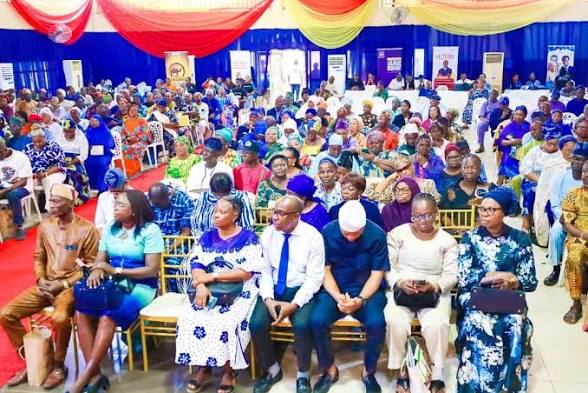
At the forum for religious leaders, participants recommended increased public enlightenment through sermons, religious teachings and capacity-building programmes for clerics as part of efforts to prevent gender-based violence.
The Amirah of the Federation of Muslim Women’s Associations in Nigeria (FOMWAN), Osun State chapter, Fauzia Adenike, described violence against women as unacceptable and called for collective efforts to address the problem, particularly through prevention and public education.
In a related session, CEWHIN also trained youth advocates, legal practitioners and civil society representatives on preventing internet-facilitated violence against women and girls, with participants pledging to strengthen advocacy campaigns across the state.
Explaining the objective of the programme, CEWHIN Senior Programme Officer, Julia Afachung, said the initiative was designed to engage traditional and religious leaders in challenging harmful norms, promoting protective practices and strengthening community-based efforts to prevent violence against women and girls.