



Hormuz Shipping Halted Again as US-Iran Ceasefire Wobbles
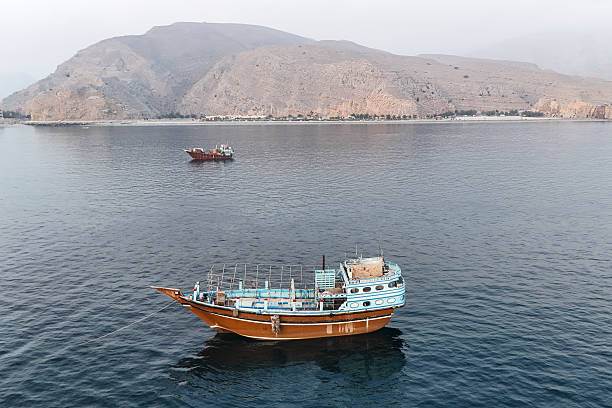
Shipping through the Strait of Hormuz has ground to a near-halt as fighting resumes between the United States and Iran, dealing a fresh blow to global energy markets already reeling from what analysts describe as the biggest supply disruption in history.
Maritime data firm Lloyd’s List Intelligence said no large vessel had crossed the strait via the US-coordinated Oman-hugging route while broadcasting its location since Tuesday, with traceable crossings effectively grinding to a halt, though at least two ships were believed to have crossed with their trackers switched off.
Tanker traffic had briefly rebounded following a June 17 memorandum of understanding between Washington and Tehran to reopen the strait, with daily crossings climbing to around 40 ships, still far below the pre-conflict average of 125 to 140 daily sailings. That recovery has now reversed sharply. Shipping data from Kpler showed daily tanker crossings falling from 37 on Tuesday to just 15 by Thursday, while separate figures from Veson Nautical showed transits dropping from 35 to 14 over the same period. Windward’s tracking showed a similar collapse, with only a handful of vessels observed on Thursday and the American-backed corridor left empty.
The renewed hostilities were triggered after Iran was accused of attacking three tankers transiting Hormuz this week, prompting President Donald Trump to declare the ceasefire “over” and order fresh US strikes on Iranian targets. Tehran responded by striking American military sites in Bahrain, Kuwait, Qatar, Jordan and Iraq, though a US official said Washington remained committed to seeking a resolution and that technical talks were ongoing. Iran’s foreign ministry condemned the American strikes as “grave war crimes,” while analysts at the Institute for the Study of War suggested Tehran may be willing to return to large-scale conflict rather than cede control of the waterway.
The International Energy Agency warned that the escalation threatens a fragile recovery in global oil supply, noting that the earlier closure of Hormuz had cut as much as 14 million barrels per day of crude flows. Global oil supply had risen by 4.1 million barrels per day in June following the reopening, but remained 9.4 million barrels per day below pre-war levels. Despite the disruption, oil prices held relatively steady on Friday, with Brent crude trading at $76.37 a barrel, though still up more than $4 from a week earlier.
Photo Credit: Getty Images