
Poor Solar Panel Installation Can Damage Roofs, Increase Safety Risk, Warn Experts
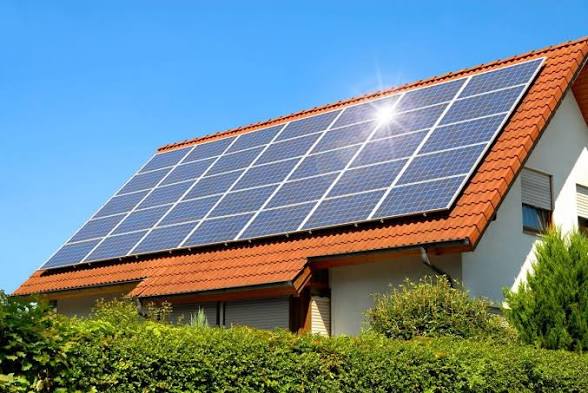
Rooftop solar panels remain one of the safest and most reliable sources of renewable energy, but experts have warned that poor installation practices and substandard materials can expose buildings to structural damage, roof leaks and electrical hazards.
The professionals stressed that solar technology itself poses minimal risk when quality components are used and installations are carried out by qualified personnel in line with engineering standards.
A former president of the Nigerian Institute of Building and pioneer president of the Building Collapse Prevention Guild, Kunle Awobodu, said the most common problem associated with rooftop solar systems in Nigeria is water leakage caused by poor installation.
According to him, leakages are particularly common during the rainy season in buildings with aluminium roofing sheets, largely because installations are often handled by unqualified technicians.
Also speaking, Otuoke Augustine said solar panels increase the load placed on rooftops, making structural assessments essential before installation, especially for older buildings or roofs not originally designed to carry additional weight.
He explained that poor weight distribution, incorrect mounting techniques and improper drilling during installation could weaken roofing materials, create stress points and eventually lead to sagging, cracks or structural failure.
Augustine further warned that inadequate sealing around mounting points and poorly installed flashing are among the leading causes of roof leaks, while damaged roof membranes and deteriorating sealants can allow water to penetrate buildings over time.
He also identified poor cable management, low-quality components, incorrect fasteners and failure to obtain necessary permits as common installation mistakes that could reduce system efficiency, create safety hazards and result in costly repairs.
Former Deputy President of the Nigerian Institution of Structural Engineers, Johnson Adeyoye, maintained that solar power systems are safe and durable when installed by competent engineers and technicians using quality equipment.
He noted that the choice of batteries, cables and other components significantly affects the safety and lifespan of solar installations, adding that properly installed systems can operate efficiently for many years.
A certified solar installer, Ikechukwu Henry, also attributed most reported incidents involving rooftop solar systems to poor workmanship, inadequate maintenance, substandard materials and failure to comply with engineering standards rather than the technology itself.
Henry explained that roof leaks often occur when mounting points are not properly sealed, roofing materials are damaged during installation or fasteners become loose over time. He advised homeowners to use appropriate waterproofing materials, conduct regular roof inspections and follow manufacturers’ installation guidelines.
He further recommended structural assessments, wind-load analysis, compliance with building design standards and the use of corrosion-resistant mounting systems before installing rooftop solar panels to ensure long-term safety and performance.