

Ramaphosa Met Anti-Immigrant Activists Mchunu, Ndabandaba Ahead of June 30 Protests
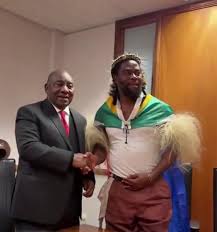
South African President, Cyril Ramaphosa held a meeting with anti-immigration activists Ngizwe Mchunu and Nkosikhona Ndabandaba ahead of nationwide demonstrations against undocumented foreign nationals that took place on Tuesday, June 30, a deadline the activists themselves had set for migrants to leave the country.
Presidential spokesperson Vincent Magwenya confirmed the meeting, stating that Ramaphosa used the engagement to stress to both leaders that the right to protest comes with a responsibility to remain within the law and to demonstrate peacefully.
The president reiterated that government remains the only authority responsible for enforcing migration laws, even as he acknowledged growing public frustration over illegal immigration.
Ndabandaba, popularly known as “Phakel’umthakathi” and a prominent figure in Zulu cultural and activist circles, has been one of the most vocal faces of the anti-immigrant movement, commanding a large social media following and leading marches that have seen demonstrators dressed in traditional Zulu regalia across KwaZulu-Natal, the Eastern Cape and Gauteng.
He had earlier declared June 30 as a deadline for undocumented migrants to leave South Africa voluntarily or risk facing what he described as dire consequences, language that drew sharp criticism and heightened anxiety among foreign communities in the country.
The lead-up to the protests had already triggered a wave of departures, with South Africa’s Border Management Authority reporting that more than 13,000 foreign nationals, including thousands of Malawians, Zimbabweans, Ghanaians and Nigerians, had either voluntarily left or been deported in the preceding two weeks.
The unrest has also been linked to at least two killings, prompting several African governments to scale up repatriation efforts for their citizens, including Nigeria’s ongoing evacuation exercise from the country.
Ramaphosa, who had earlier warned that his government would not tolerate any attempt to destabilise the country through the protests, has consistently distanced his administration from attacks on foreign nationals, insisting they do not reflect the values of South Africans or government policy. He has instead blamed opportunists for exploiting genuine economic grievances under the guise of community activism. According to reports following Tuesday’s demonstrations, the marches across the country concluded relatively peacefully, even as friction reportedly emerged among the movement’s leadership after one of the organisers was excluded from the meeting with the president.
Photo Credit: Facebook