Three in Four Nigerian Children Can’t Read by Age 10, Notes Education Minister
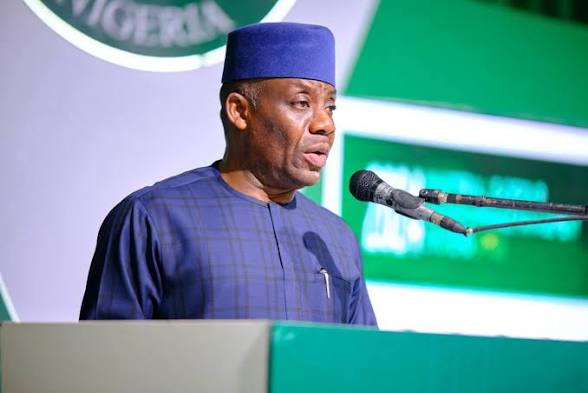
Education Minister, Dr Tunji Alausa, has raised the alarm that three in every four Nigerian children cannot read and understand an age-appropriate text by the age of 10, describing the crisis as a major threat to the country’s human capital development unless digital technology is urgently embraced to reverse the trend.
The minister disclosed this at a Federal Ministry of Education and Universal Basic Education Commission roundtable in Abuja on Tuesday, themed around digital resources available to improving learning outcomes.
The high-level meeting brought together state commissioners for education, chairmen of State Universal Basic Education Boards and other key stakeholders in the sector.
Alausa explained that the figure reflects what is known globally as learning poverty, a measure of a child’s inability to read and comprehend simple text by age 10, and stressed that the latest available data places three out of every four Nigerian children in that category.
The minister pointed to low adoption of existing digital learning tools as part of the problem, noting that the Nigeria Learning Passport platform currently has only about 2.3 million users, a figure he described as insignificant when weighed against the country’s estimated 67 million learners across primary, junior secondary and senior secondary levels.
He lamented that government had invested significant resources into such platforms, warning that low usage risked turning the investment into waste.
Alausa commended UNICEF for its support in developing the Learning Passport, recalling that the platform proved valuable in sustaining learning continuity during the COVID-19 pandemic and was later deployed to support students affected by insecurity and school closures in various parts of the country. He added that beyond literacy, the digital resources could also strengthen continuous professional development for teachers by improving their digital literacy and classroom delivery skills.
The disclosure adds to a growing body of data painting a grim picture of Nigeria’s learning crisis. UNICEF had earlier this year revealed that only one in four Nigerian children who attend school can read properly and perform basic mathematics by age 14, while separate findings from the National Commission for Colleges of Education placed the country’s learning poverty rate even higher, citing World Bank estimates of over 92 percent. Stakeholders at the Abuja roundtable expressed confidence that deeper integration of digital learning tools would support President Bola Tinubu’s broader human capital development agenda and help reverse the worsening trend in years ahead.
Photo Credit ; Arise News