
Ford Resorts to Veteran Engineers as AI Fails Quality Standards
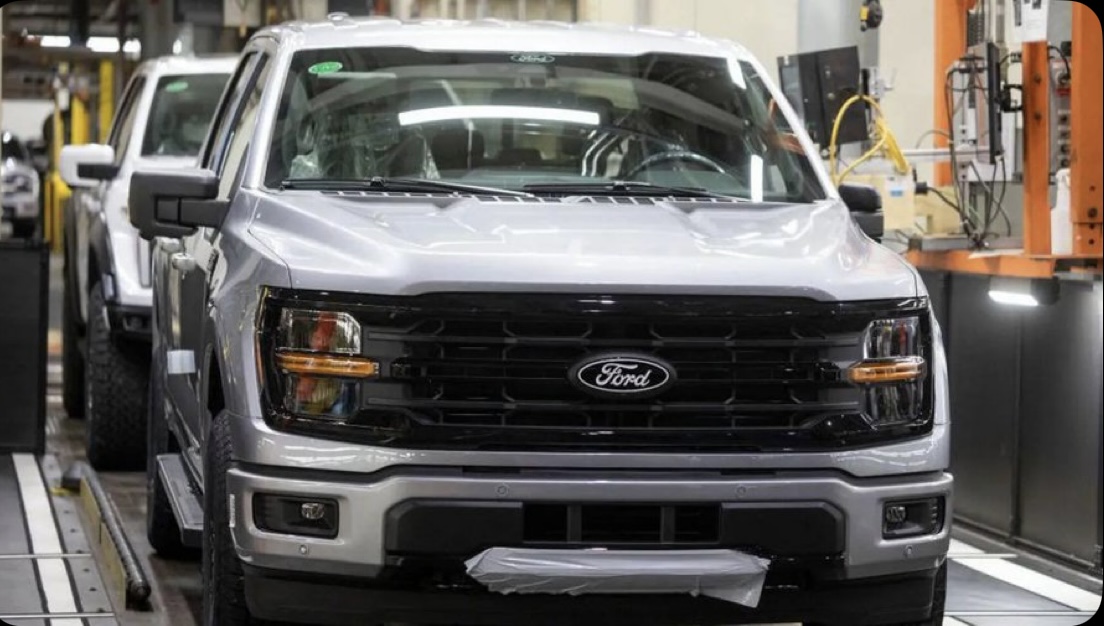
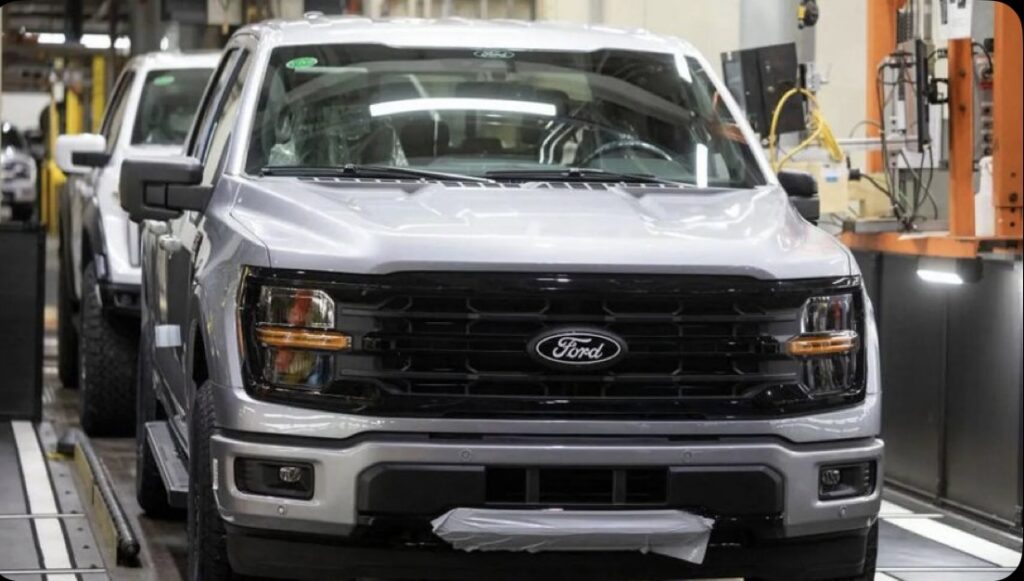
Ford Motor Company has rehired hundreds of tested engineers after its artificial intelligence (AI)-driven quality assurance system failed to meet the automaker's given standards, underscoring the continued reliance on human expertise in vehicle manufacturing.
The company has brought back approximately 350 veteran engineers, including former Ford employees and specialists from supplier firms, to strengthen quality control across its vehicle development and production processes.
Ford executives said the move followed an internal assessment that found the company's AI-powered quality checks were unable to consistently identify design flaws and manufacturing issues before production, despite significant investment in automation.
Vice President of Vehicle Hardware Engineering, Charles Poon, acknowledged that the automaker had overestimated the capabilities of AI when it introduced the technology into its engineering workflow.
"We mistakenly believed that simply introducing artificial intelligence and feeding it our design requirements would automatically produce high-quality products," Poon said, noting that AI remains a valuable tool but depends heavily on the quality of the data and expertise used to train it.
Chief Operating Officer Kumar Galhotra said Ford had leaned too heavily on automated systems in recent years, only to discover that experienced engineers remained indispensable in detecting complex design and manufacturing problems that AI often overlooked.
According to the company, the returning engineers will help identify potential faults before production begins, mentor younger staff and improve the performance of Ford's AI systems by providing expert knowledge that can be incorporated into future models.
Rather than abandoning artificial intelligence, Ford said it is adopting a hybrid approach that combines AI-powered analysis with human judgment. The automaker has also established a dedicated software quality assurance team and expanded the use of AI-assisted validation tests to improve software reliability and detect defects earlier in the vehicle development process.
The revised strategy is already showing positive results. Ford recently ranked as the highest-performing mass-market automaker in the 2026 J.D. Power U.S. Initial Quality Study, marking its strongest performance in more than a decade.
The company has also reported significant reductions in warranty claims and recall-related costs. Industry analysts say Ford's decision reflects a broader trend among manufacturers that are increasingly positioning AI as a tool to support—not replace—skilled professionals.
While artificial intelligence can process vast amounts of data and automate repetitive tasks, experts argue that human experience, intuition and engineering judgment remain essential in safety-critical industries such as automotive manufacturing.
Ford's latest move is expected to influence how other manufacturers deploy AI in production, reinforcing the view that the most effective approach combines advanced technology with experienced human oversight.