
Today in History: The 1945 General Strike and the June 21 Ultimatums
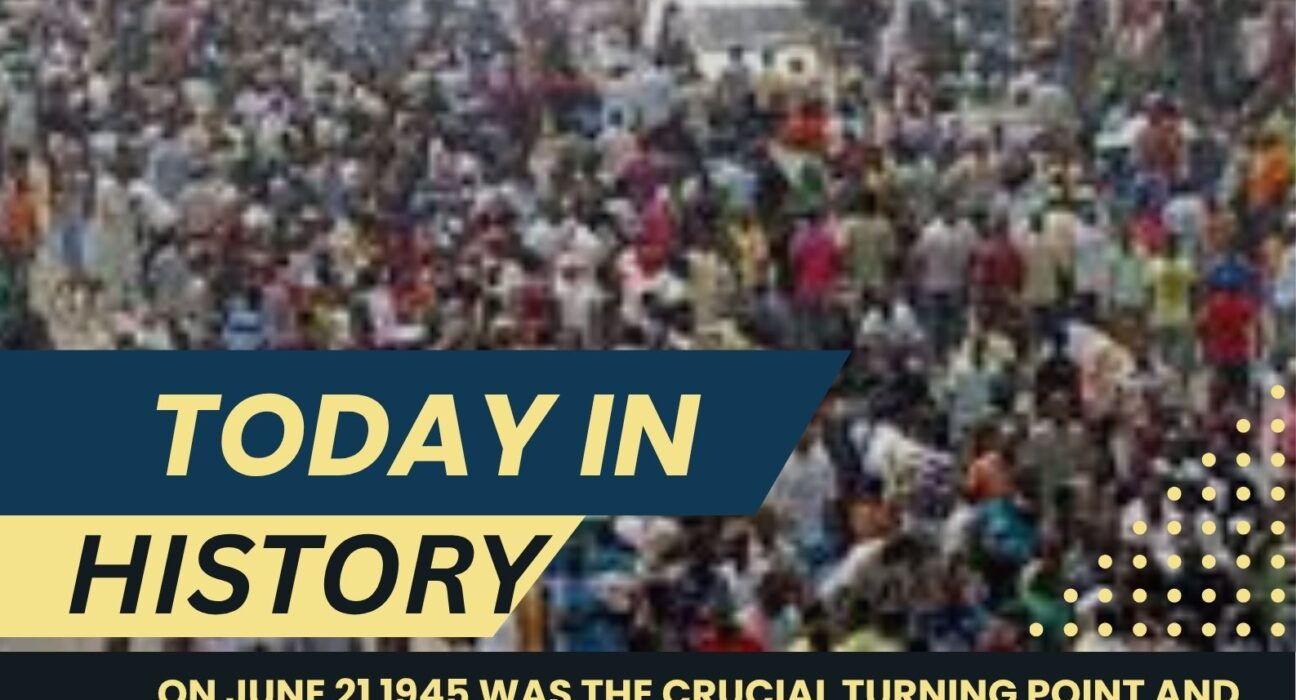
The summer of 1945 marked a defining turning point in Nigeria’s march toward independence. While the world celebrated the winding down of World War II, a completely different kind of battle was brewing on the streets of Lagos. Deep economic distress, systemic colonial discrimination, and an unyielding workforce converged to produce Nigeria’s first General Strike—an event that shook the foundations of British imperial rule. At the very heart of this historic labour showdown was a critical, high-stakes deadline known as the June 21 Ultimatums.
To understand why June 21 became such a pivotal date, one must look at the grueling conditions of the preceding years. During World War II, the British colonial administration heavily relied on Nigerian labour and resources to support the Allied war effort. Rail workers, telegraph operators, and miners were subjected to punishing schedules, sometimes working over 70 hours a week. Meanwhile, the war caused severe economic disruption. By 1945, the cost of living in urban centers like Lagos, Enugu, and Port Harcourt had skyrocketed by over 200 percent. Basic goods like rice, kerosene, and cloth were scarce and heavily marked up on the black market.
The colonial government acknowledged this inflation but responded with glaring racial discrimination. They granted generous cost-of-living adjustments, separation allowances, and local allowances to European colonial officials, while leaving African workers with stagnant, pre-war wages. In response, the African Civil Servants Technical Workers’ Union demanded a minimum daily wage of two shillings and six pence for unskilled laborers, alongside a 50 percent increase in the existing Cost of Living Allowance for subordinate grades. On May 2, 1945, the colonial government flatly rejected these demands, claiming that injecting more money into the economy would only worsen inflation.
The workers’ patience had completely evaporated. On May 19, 1945, a massive coalition of 17 trade unions gathered for an emergency mass meeting at the historic Glover Memorial Hall in Lagos. Deploring what they termed the callous attitude of the government to the sufferings of the masses of African workers, the unions drafted a historic resolution. They issued a strict, one-month ultimatum to the British authorities, stating that if the extremely modest demand was not granted in full, the workers of Nigeria would proceed to seek their own remedy on Thursday, June 21, 1945.
As the June 21 deadline approached, the tension in Lagos reached a palpably fever pitch. Rather than negotiating in good faith, the colonial government tried to break the workers’ resolve. They issued warnings that a strike in essential services would be deemed illegal under wartime defense regulations, and rumoured that striking workers would be summarily dismissed and replaced by demobilized soldiers returning from the war. In a clever bid to placate the masses, the government even released Michael Imoudu, a fiercely popular labor leader who had been detained since 1943, hoping his release would calm the waters. It had the exact opposite effect, electrifying the working class.
Behind closed doors, a massive internal drama was unfolding within the labour leadership itself. As June 21 approached, moderate union leaders began to vacillate. Fearing government retaliation and legal technicalities, they attempted to argue that the strike was ill-timed and pushed to postpone the deadline to allow for more talks. But the rank-and-file workers refused to budge. On the eve of the deadline, a massive rally was held. Backed by the radical energy of Michael Imoudu, the workers overrode the cautious moderates, effectively purging the hesitant leaders and asserting that negotiation had failed. Concurrently, the African Loco Drivers’ Union and railway workers served their own final management notices that work would halt at midnight on June 21.
The colonial government called the workers’ bluff, gambling that fear of dismissal would keep them at their desks. They lost that gamble. As the clock struck midnight turning Thursday, June 21 into Friday, June 22, 1945, train whistles pierced the night air across Lagos. Rams were symbolically sacrificed to the gods of Mother Africa, and the general strike officially began.
The impact was instantaneous and total. The strike paralyzed the colony’s transport, communication, and shipping infrastructure for over forty days in Lagos and even longer in the provinces. It was fiercely supported by market women, communities who refused to charge strikers rent, and nationalist leaders like Nnamdi Azikiwe and Herbert Macaulay. The government eventually capitulated the following year, granting backdated allowance increases.
The June 21 ultimatums were much more than a dispute over pennies and allowances; they represented the moment Nigerian workers realized their collective power. By standing firm against imperial threats, the labor movement successfully shifted the anticolonial struggle. It transformed the fight for self-determination from an elitist, academic debate held in newspaper editorials into a popular, grassroots movement driven by the working class. The courage displayed when the June 21 deadline expired proved that a united Nigerian front could successfully force the hand of the British Empire, paving the psychological roadway to independence.