
U.S. Justifies Barring Africa’s Top Referee as World Cup Visa Controversy Simmers
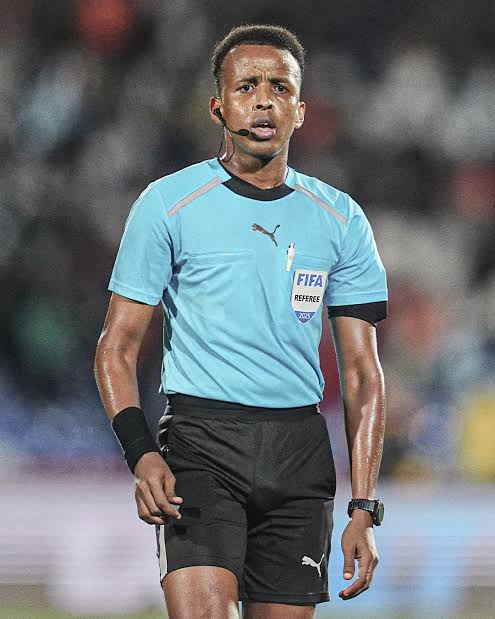
The White House has defended its decision to deny entry to award-winning Somali referee Omar Abdulkadir Artan, as visa restrictions and border checks emerge as one of the most controversial issues surrounding the 2026 FIFA World Cup.
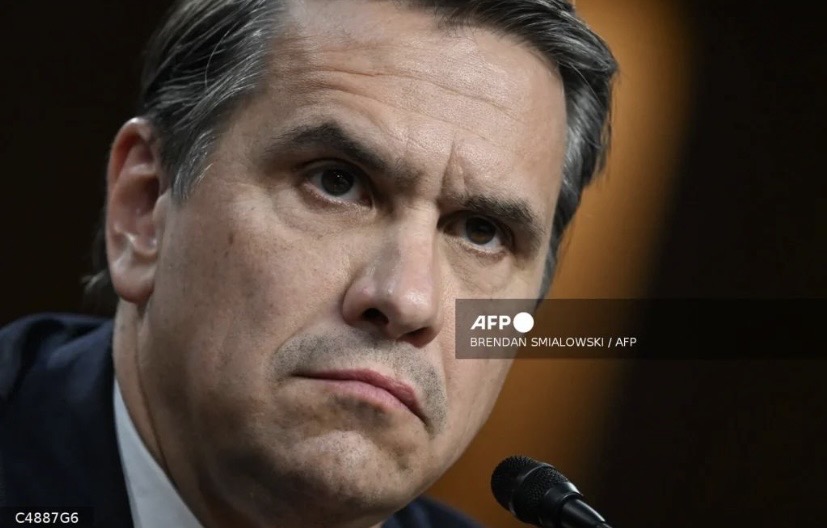
Andrew Giuliani, executive director of the White House Task Force for the World Cup, said U.S. authorities had denied entry to several tournament officials for security reasons, insisting the decisions were justified despite growing criticism from football authorities and participating nations.
Speaking at an Atlantic Council event in Washington on Tuesday, Giuliani said no players or coaches had been refused entry to the United States.
“There have been some officials that have been denied, and for good reason,” he said.
The comments came days after Artan, Africa’s Referee of the Year for 2025 and one of FIFA’s selected World Cup officials, was denied entry upon arrival in Miami despite reportedly holding a valid U.S. visa.
His exclusion has sparked international debate because Artan was set to become the first Somali referee to officiate at a FIFA World Cup.
For many across Africa, Artan’s selection represented one of the continent’s most remarkable football success stories. The Somali official rose through the ranks to officiate at major Confederation of African Football competitions, including the Africa Cup of Nations, before earning a place among FIFA’s World Cup referees.
His appointment was celebrated in Somalia, where government officials and football authorities described him as a source of national pride. Instead, Artan’s World Cup dream ended at Miami International Airport.
According to U.S. Customs and Border Protection, the Somali referee was deemed inadmissible after undergoing additional screening. Authorities initially cited unspecified “vetting concerns” before later saying he had alleged links to individuals suspected of involvement with terrorist organisations. U.S. officials have not publicly provided evidence to support the allegations.
FIFA subsequently confirmed that Artan would not be able to participate in the tournament because all referees are required to train and operate from a central base in the United States.
Artan’s case has become the most visible example of a broader challenge facing the first-ever 48-team World Cup. Iran’s football federation this week said several officials and support staff were denied U.S. visas, forcing operational changes to the team’s tournament preparations.
The federation also complained that its allocation of supporter tickets had been revoked.
Giuliani defended those decisions, saying all Iranian coaches would be admitted but suggesting some officials raised security concerns.
“There are some people that claim that they are coaches that may not be coaches,” he said.
The issue comes as the Trump administration continues to enforce travel restrictions affecting several countries, including Somalia and Iran, while simultaneously hosting the largest World Cup in history.
Analysts say the situation highlights a growing tension between FIFA’s ambition to stage a truly global tournament and Washington’s increasingly stringent immigration and security policies.
Despite the controversy, Giuliani insisted national security remains the administration’s top priority.
“We’re striking that balance between making sure that any bad actors that try to come into the country under the guise of the World Cup will not get access to the United States,” he said.
The White House official also said there were currently no credible threats to the tournament but noted that U.S. intelligence agencies had significantly increased monitoring efforts ahead of the month-long competition.
As millions of fans prepare to travel across the United States, Canada and Mexico for football’s biggest event, Artan’s exclusion has become an early reminder that immigration policy may prove as consequential to the tournament as anything that happens on the pitch.