Democracy is Reason Baby Politicians Have Loudest Voice
The ancient philosopher, Socrates harboured a deep-seated distrust of democracy, viewing it not as a harbour of wisdom, but as a dangerous ship of state steered by the loudest voices rather than the most skilled navigators. His central critique was that democracy inherently favours the popular over the proficient, turning leadership into a contest of popularity rather than a measurement of knowledge or ability.
In this system, the orator who can manipulate the emotions of the crowd often triumphs over the expert who understands the complexities of governance.
When we face a legal crisis or a medical emergency, we instinctively seek out the most skilled and experienced professionals, yet we often abandon this logic at the ballot box. Politics, ideally, should be a contest of specialized ability, but democracy often hands equal power to the informed and the entirely clueless. This “equal voice” paradox creates a marketplace where those who have “sold their brains” outvote those who possess the intellectual depth to steer the nation, effectively devaluing specialized experience in favor of mass appeal.
Democracy has boosted the voice of baby politicians to 100%, those who politic with social media, those who intimidate and impose candidates of no green political record on the citizenry, many of who just acquired their voters card yesterday and cannot tell the simple history about Nigeria politics.
I had an experience at a government agency not long ago, I was in an elevator with some other people when suddenly some of the guys in the elevator were picking on the guy directing us because he was putting on an emblem of president Tinubu and started throwing question at him “you dey buy fuel for 200 abi” I was forced to intervein by saying “I am very disappointed to see the caliber of people doing this (they are workers in the agency), this man is only expressing his constitutional right” this is more of the reason why I said politics has given say to experienced and educated people and also educated and inexperienced people
When stripping the rhetoric to look at the naked achievements of leadership, the contrast in professional backgrounds becomes stark. President Bola Ahmed Tinubu, for example, entered the political arena with a First Class degree in Accountancy from Chicago State University and a rigorous background as a corporate auditor. This technical foundation suggests a level of fiscal discipline and administrative structure that is often missing in those who rely solely on socio-political theory rather than hard economic data.
In contrast, figures like Peter Obi represent a different academic path, graduating with a Second Class Lower degree in Philosophy. While philosophy is a noble pursuit, critics argue it does not always translate to the pragmatic, high-stakes management required for a nation’s economy. The disparity in academic performance and professional pedigree highlights the democratic dilemma: voters are often asked to choose between a proven technocrat and a philosopher-politician whose record may be more symbolic than structural.
The tenure of Peter Obi as Governor of Anambra State provides a case study for the gap between social media perception and administrative reality. His eight years were marked by significant challenges, including prolonged strikes in the health sector and the failure to construct essential infrastructure like a state airport and various human right abuses under this man. Furthermore, the absence of local government elections during his term and various human rights allegations suggest that the model of governance often projected online does not always hold up under the scrutiny of historical record. Compared to that of Tinubu’s achievement as the Lagos State governor where he totally Transformed Lagos into what is referred to as “London in Nigeria”. He successfully uplifted Lagos into land of opportunity where everyone has their own share of the wealth even when the federal allocations were not coming.
Succession often reveals the truths that campaign trails hide, as seen when Governor Willie Obiano exposed that Obi left behind a debt of approximately 127 billion Naira, contrary to claims of a debt-free exit. This illustrates the final danger of a democracy that favours the salesman over the strategist: it closes the gap between those who truly know and those who merely pretend to know. Ultimately, when democracy chooses the incapable over the capable, the entire nation pays the price for the triumph of popularity over proficiency.
Politics and leadership should be learned like the Eastern Apprenticeship model with all seriousness for one to stand out, not cut and join like we are seeing on social media platforms like Instagram, Twitter and Facebook and other social media.
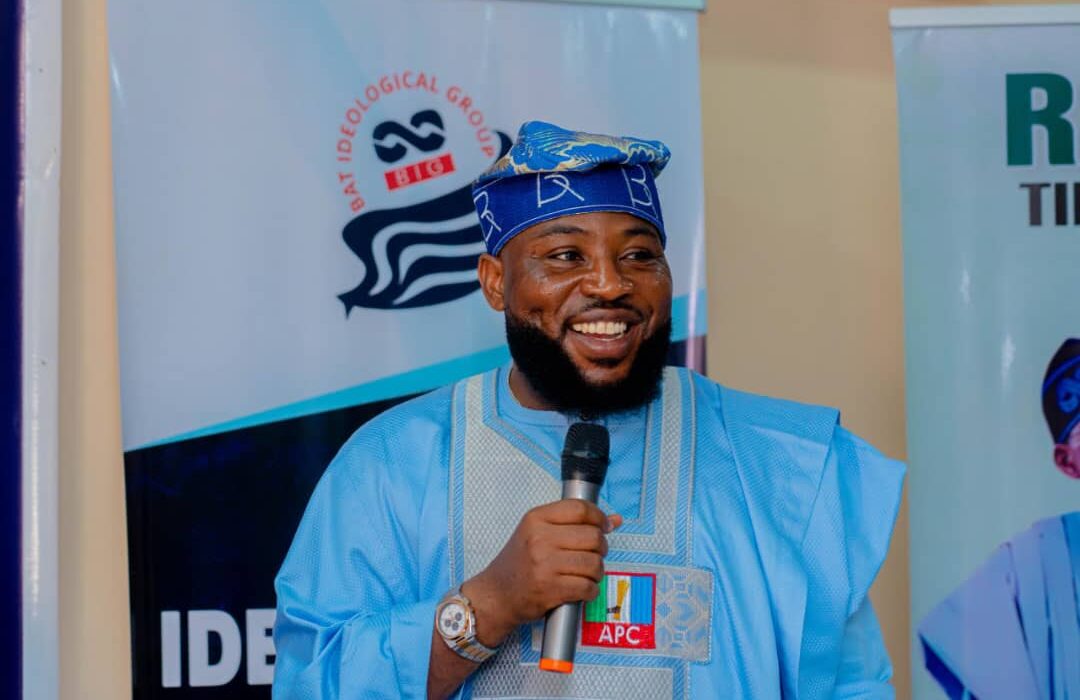
Bamidele Atoyebi is the Convener of BAT Ideological Group, National Coordinator of Accountability and Policy Monitoring and a publisher at Unfiltered and Mining Reporting