

Falana Urges NBA, Civil Society to Act Against Electoral Violence, Impunity
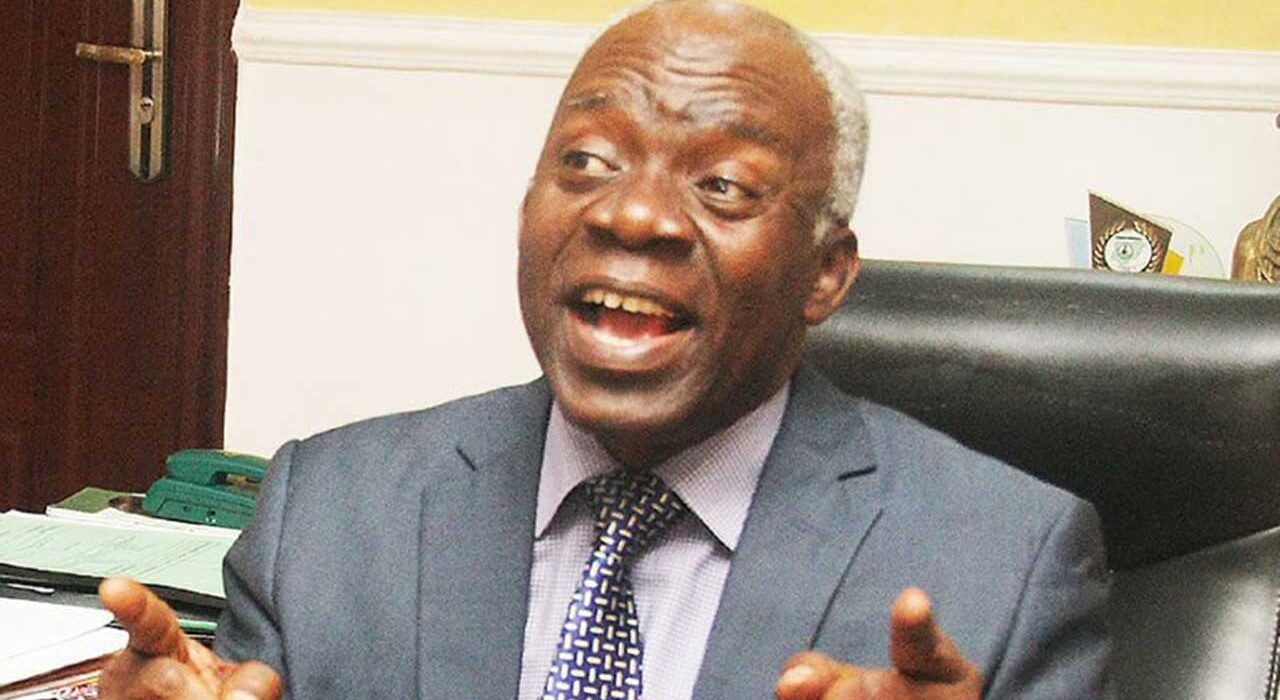
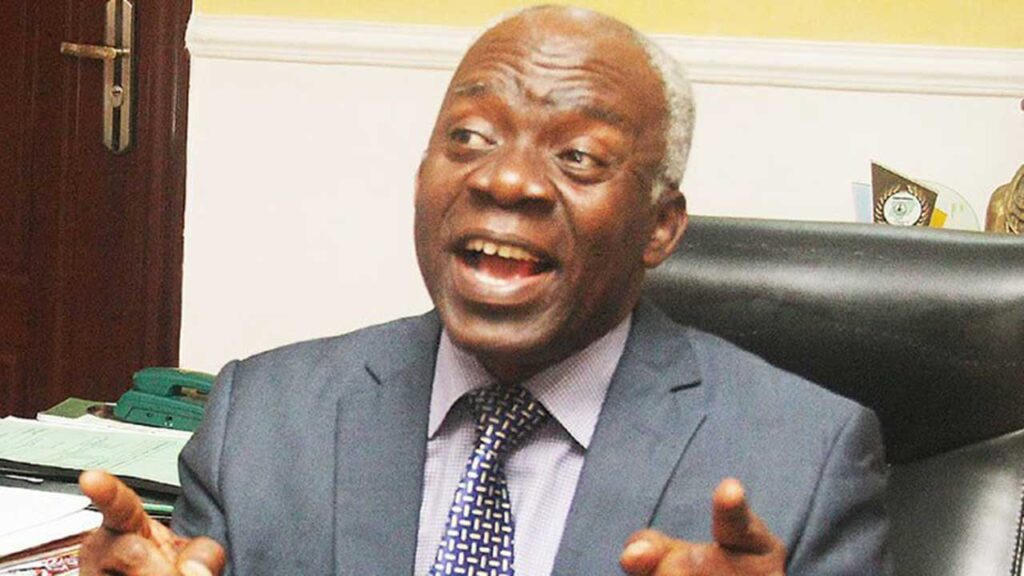
Human rights lawyer Femi Falana (SAN) has called on the Nigerian Bar Association (NBA), civil society organisations and other stakeholders to take a more active role in tackling electoral violence and impunity in Nigeria.
Falana made the call on Channels Television’s Politics Today on Monday while reacting to recent election-related deaths, including reported killings in Delta State.
The senior lawyer described the recurring loss of lives during political activities as preventable, arguing that the failure to hold perpetrators accountable had encouraged the use of violence during elections and political campaigns.
He said attacks on political leaders, supporters and convoys often go without meaningful consequences, creating an environment in which political violence becomes normalised.
Falana urged the NBA and human rights groups to intervene more decisively in cases of electoral violence, stressing that political affairs should not be left exclusively to politicians.
He also called on the NBA to mobilise lawyers to support the Independent National Electoral Commission (INEC) in prosecuting electoral offenders.
According to him, INEC is already burdened with pre-election and post-election litigation, making it difficult for the commission to independently handle the prosecution of electoral offences on a large scale.
Falana further urged political parties and their candidates to shift campaign discussions away from ethnic and religious sentiments and focus on issues affecting Nigerians.
He identified unutilised basic education funds, compulsory health insurance, enforcement of child rights laws, fuel subsidy-related issues, crude oil-backed loans and delayed refinery rehabilitation as issues that should receive greater attention during political campaigns.
The lawyer also stressed the need for stronger accountability in the electoral process, including improvements in voter registration, official conduct and the transmission of election results.
While expressing concern over the country’s political challenges, Falana rejected the notion that Nigeria was beyond recovery.
He argued that existing laws could still produce meaningful change if citizens, the media and civil society organisations actively demanded accountability from public officials.
Falana said sustained public debate and scrutiny remained necessary to improve governance, urging Nigerians to focus less on political spectacles and more on policies and actions that affect their lives.