
Gumi Opposes Return of Petrol Subsidy, Cites Corruption, Poor Accountability
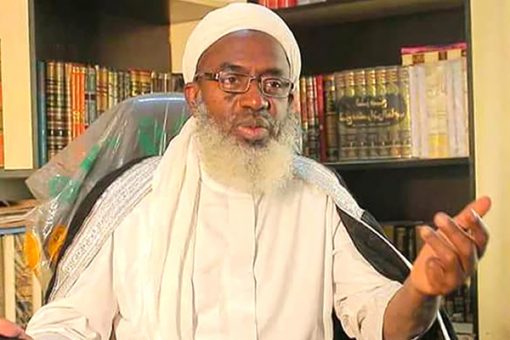
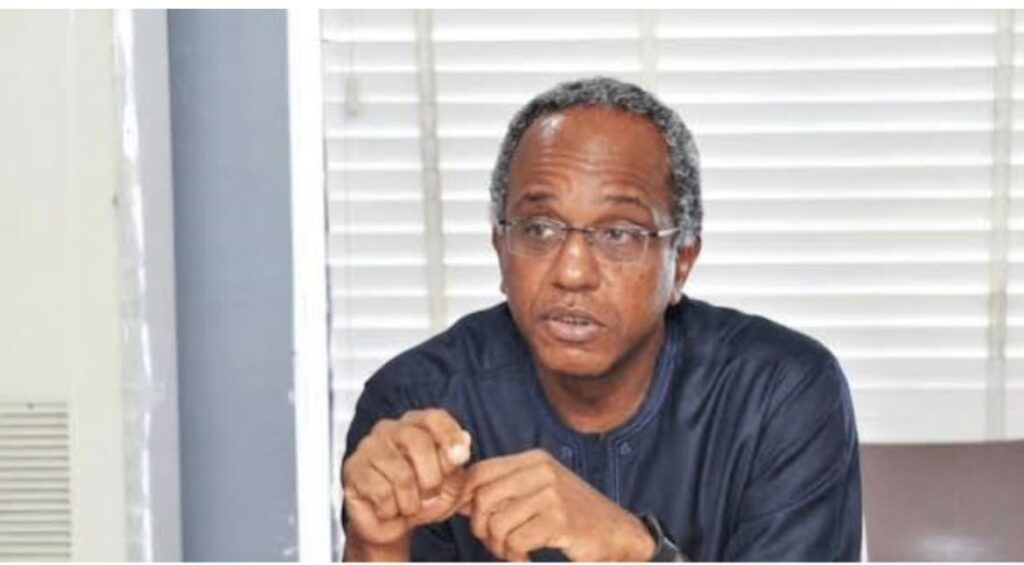
Islamic cleric, Sheikh Ahmad Gumi, has opposed calls for the restoration of petrol subsidy in Nigeria, warning that reintroducing the policy without first addressing corruption and diversion of public funds could worsen the country’s economic challenges.
Gumi made his position known during an interview in which he discussed Nigeria’s economy, the removal of petrol subsidy, President Bola Tinubu’s economic reforms and preparations for the 2027 general elections.
Reacting to former Vice-President Atiku Abubakar’s promise to restore petrol subsidy if elected president in 2027, the cleric said he had previously supported the idea before gaining a deeper understanding of how the policy operates.
He explained that subsidies were not necessarily wrong, noting that several countries around the world provide government support for essential goods and services.
However, he argued that Nigeria’s major challenge was the inability to effectively address corruption and the diversion of public resources.
According to him, restoring petrol subsidy without putting adequate accountability mechanisms in place could create another avenue for public funds to be misappropriated.
Gumi maintained that removing fuel subsidy was not inherently a bad policy, provided the government adequately supported vulnerable Nigerians through social intervention programmes.
He warned that withdrawing the subsidy without introducing effective measures to cushion the economic hardship would leave poor citizens struggling with rising living costs.
The cleric questioned whether Nigeria had developed the institutional discipline and transparency required to operate a credible subsidy system, expressing doubts about the country’s readiness to manage such a programme without abuse.
He further observed that public confidence in government institutions remained low, arguing that the country needed a broader moral and institutional transformation.
Using the healthcare sector as an example, Gumi lamented that hospitals, which should provide essential care and compassion, had become places where patients struggled to access basic medical supplies and treatment.
He questioned how other public institutions could be expected to function effectively when the healthcare system itself faced such difficulties.
Gumi’s position comes amid renewed political debate over the removal of petrol subsidy, with calls for its restoration becoming part of discussions ahead of the 2027 general elections.
He maintained that addressing corruption, strengthening public institutions and ensuring that economic reforms benefit ordinary Nigerians should take priority over returning to a subsidy arrangement without adequate safeguards.