
Stakeholders Discuss Ways to Ease Ship Financing Challenges
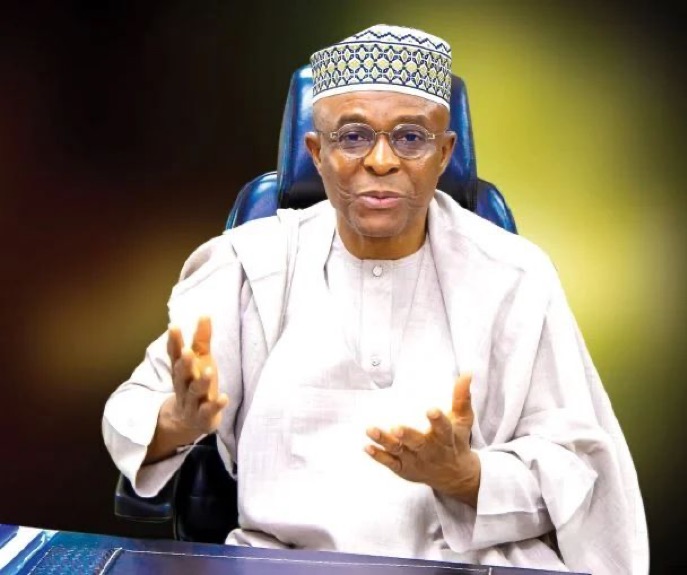
Stakeholders in Nigeria’s maritime sector have highlighted high borrowing costs, strict collateral demands and long repayment periods as major obstacles facing indigenous shipowners.
They made the observations on Thursday in Lagos at the 2026 Annual Summit of the Shipping Correspondents Association of Nigeria.
The summit was themed “Low-risk capital for indigenous shipowners: Overcoming regulatory, financial bottlenecks.” Minister of Marine and Blue Economy, Adegboyega Oyetola, said obtaining long-term financing at affordable rates remains one of the biggest constraints for local operators.
Oyetola, represented by the Director of Regulatory Services in the ministry, Anastasia Ogbonna, noted that vessel acquisition requires heavy capital. He said the high cost of borrowing places Nigerian shipowners at a disadvantage compared with their foreign counterparts.
Maritime expert Dr Olisa Agbakoba stressed that Nigeria’s national fleet ambition cannot succeed with capital alone. He said a reliable commercial system, steady cargo demand and predictable revenue are needed to make vessels attractive for financing.
Former NIMASA Director-General Temisan Omatseye called for a private sector-driven approach to make indigenous shipping competitive. He noted that Nigerian banks currently lack the capacity to finance shipping on favourable terms, unlike foreign operators who access cheaper funding.