

Prioritise Risk Management in $1 Trillion Economy, Odebiyu Urges Nigeria

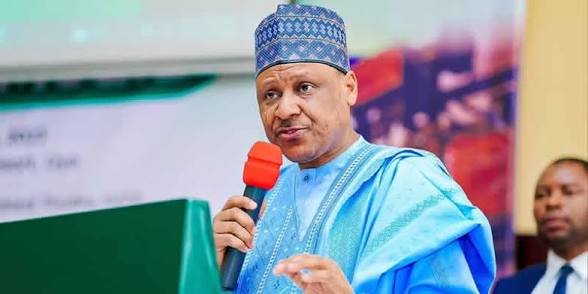
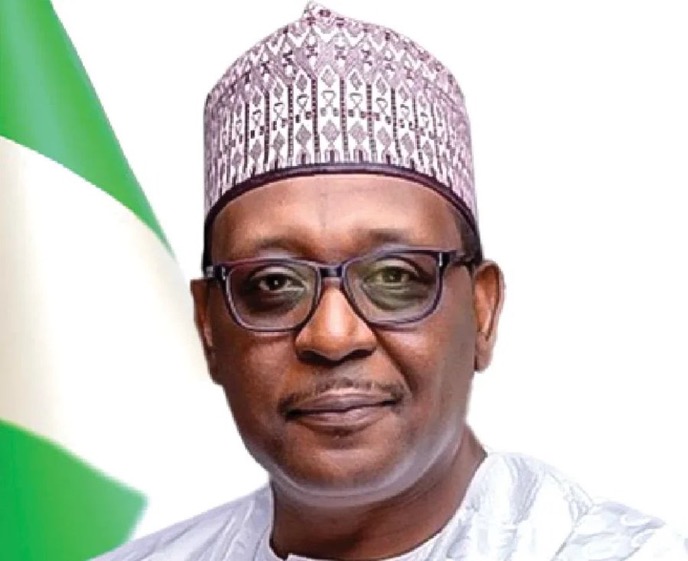
Former Senator Tolu Odebiyi has called for the integration of effective risk management into Nigeria’s economic policies and development plans, saying it is essential to achieving President Bola Tinubu’s ambition of building a $1 trillion economy.
Odebiyi made the call in his acceptance speech after receiving the Honorary Fellow Chartered Risk Manager award from the Chartered Risk Management Institute of Nigeria at the Oriental Hotel in Lagos on October 15, 2026.
In a statement made available to PUNCH Online on Thursday, the former lawmaker said the country’s economic target would require effective governance, strong institutions, disciplined policy implementation and strategic management of potential risks.
He commended Tinubu’s economic vision and initiatives aimed at attracting investment, strengthening institutions and expanding opportunities for sustainable growth.
Odebiyi said risk management should be incorporated into public policy, infrastructure development, financial administration and private-sector investments to improve the chances of achieving the government’s economic objectives.
He noted that a systematic approach to identifying and managing risks would help safeguard public funds, reduce waste, improve project execution, boost investor confidence and ensure that investments deliver measurable economic benefits.
The former senator identified energy, agriculture, manufacturing, mining, technology, financial services and infrastructure as key sectors that could drive Nigeria’s economic expansion, stressing the need for efficient resource allocation and resilience against economic shocks.
He argued that risk management should go beyond regulatory compliance and become a central component of national development planning.
Odebiyi also advocated incorporating risk assessment into government budgets, major capital projects, public-private partnerships, corporate governance and the administration of national assets to strengthen accountability and improve public spending outcomes.
Reflecting on his role in establishing the Chartered Risk Management Institute of Nigeria, he said he initiated the bill that paved the way for the institute’s statutory recognition while serving in the Senate.
He explained that his involvement stemmed from the need to establish a legal and professional framework for risk management, which he considered essential to Nigeria’s development.
The institute subsequently received its charter under Act No. 39 of 2022, providing a statutory basis for the advancement of professional risk management in the country.
Odebiyi further identified financial, economic, environmental, technological and institutional risks as major challenges facing Nigeria, calling for a workforce equipped with the expertise, integrity and ethical standards required to address emerging threats.
He urged the institute to strengthen its professional training, research, certification and ethical standards while expanding collaboration with government agencies and private-sector organisations.
According to him, developing skilled risk management professionals would support policy implementation, improve institutional performance and enhance Nigeria’s competitiveness in the global economy.
Describing his honorary fellowship as a call to greater responsibility rather than merely an award, Odebiyi reaffirmed his commitment to nation-building and institutional development.
He also encouraged professional bodies to contribute to the country’s economic resilience and long-term prosperity, noting that sustainable growth would depend on collective action, accountability and the effective management of risks and opportunities.