






Guinea-Bissau Halts Us-backed Hepatitis B Vaccine Study After Ethical Concerns
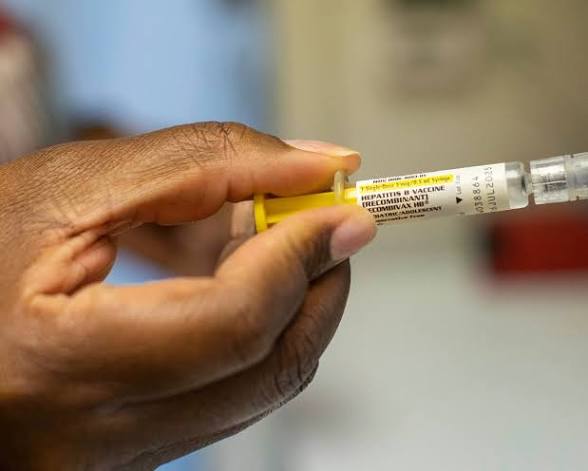
The government of Guinea-Bissau has stopped a controversial United States-backed study on the effects of administering the hepatitis B vaccine to newborns, following criticism from medical experts over its scientific basis and ethical implications.
The study’s lead researcher, Danish scientist Frederik Schaltz-Buchholzer, confirmed on Wednesday that the project would not proceed in the West African country because the required government approval had not been obtained.
According to The Guardian UK, the proposed research was expected to receive $1.6m from the United States Centres for Disease Control and Prevention, alongside another $1.6m from private donors, including the Pershing Square Foundation and the Bluebell Foundation.
Schaltz-Buchholzer announced the development in a LinkedIn post, stating that the study would no longer go ahead in Guinea-Bissau.
The country’s Health Minister, Quinhin Nantote, had previously dismissed reports that the research would proceed, telling The Guardian that the claim was entirely untrue.
The proposed trial was designed by Danish researchers, including Schaltz-Buchholzer, Christine Stabell Benn and Peter Aaby, to examine whether administering the hepatitis B vaccine alongside the Bacillus Calmette-Guérin (BCG) vaccine could influence childhood mortality beyond protection against the diseases they target.
The researchers hypothesised that combining the vaccines could affect the broader benefits associated with live vaccines such as BCG. However, the proposal attracted strong opposition from vaccine specialists who questioned the evidence supporting the theory and the ethics of withholding an established vaccine from some newborns.
Paul Offit, a vaccine expert at the Children’s Hospital of Philadelphia, described the hypothesis as scientifically unfounded and argued that the money should instead be used to vaccinate children against hepatitis B.
Offit also maintained that the benefits of administering the vaccine at birth were well established, particularly in countries with a high burden of chronic hepatitis B.
Concerns were also raised about whether parents could give genuinely voluntary consent to the trial, given that participation offered their children a 50 per cent chance of receiving the vaccine, while those who declined would not receive it through the study.
Danish researcher Henrik Støvring argued that the arrangement could place undue pressure on parents and undermine informed consent.
The controversy reportedly intensified public suspicion in Guinea-Bissau, where some residents questioned the decision to test the vaccine on African newborns despite its longstanding international use.
The government has also taken control of the researchers’ vaccine supplies following a search of the Bandim Health Project’s offices on Monday, The Guardian reported.
The World Health Organisation recommends that all infants receive their first dose of hepatitis B vaccine as soon as possible after birth, preferably within 24 hours, followed by at least two additional doses.
WHO spokesperson Tarik Jašarević reaffirmed the organisation’s commitment to working with governments and research partners to ensure newborns receive timely protection against the disease.
Guinea-Bissau is currently planning to introduce universal hepatitis B vaccination at birth in 2028.
Meanwhile, the United States CDC had not responded to The Guardian’s questions about whether the funds originally intended for the study would be redirected towards expanding newborn vaccination in the country.


