Democracy Day: Our Comatose Country Now Working
On 1 October 1960, a young nation raised the green-white-green flag and promised itself a country where hard work is rewarded and government serves its people. Independence Day is a time to reflect how far we have come and to ask whether Nigerians are enjoying the dividends of the democracy we fought for.
Democracy is more than elections. It is whether ordinary people feel it in their classrooms, pay packets, roads and local councils. Tinubu administration has several long-standing promises that have moved from rhetoric to reality.
For decades, fiscal federalists argued that local governments could never serve their communities while state governments controlled their funds. The Tinubu administration successfully moved the idea from conference halls to concrete reform, giving the third tier of government life and a real chance to deliver at the grassroots.
The South East Development Commission is another pointer.
For generations, post-war promises to the South East were executed in breach. President Tinubu signed the SEDC Act on 24 July 2024 and inaugurated its board in February 2025, thereby Reviving and setting in motion what had been consigned to forgotten memory. The Port Harcourt–Aba rail line was inaugurated in May 2024, and $3 billion has reportedly been allocated to rebuild the Eastern Rail Corridor, according to the chairman of the South East Governors’ Forum.
The Lagos-Calabar Coastal Highway is a project many Nigerians doubted would ever move. The Federal Government has temporarily opened 30 kilometres of the 47.474-kilometre Section I, Phase 1 to traffic, and a $747 million syndicated loan has been secured for that phase. The road being driven on is a different thing from a road on drawing board or poster.
For years, Nigerian students lived with uncertainty, many dropped out because their families could not pay. The student loan scheme, NELFUND, is meant to break that cycle. As of 15 April 2026 it had disbursed ₦242.4 billion to 1,388,592 students since its portal opened in May 2024. Technical education, long neglected, is also being revived. Students in federal and state technical colleges now get free tuition, accommodation and feeding, plus a monthly stipend.
Nigerian students lived with uncertainty. Strikes stretched a four-year degree into five, six or seven. The Tinubu administration and ASUU signed a new agreement in January 2026, ending a 16-year impasse over the 2009 pact. It includes a 40 per cent salary increase for academic staff.
President Tinubu approved raises of 30 to 80 per cent for about 250,000 armed forces personnel, effective 1 September 2026. A private’s monthly pay rises to about ₦187,200, and personnel received their first salaries under the new structure this week.
The Nigeria Union of Pensioners has praised the ₦32,000 monthly pension increase and about ₦700 billion approved to clear Contributory Pension Scheme liabilities. The pension directorate says it has cleared all inherited liabilities under the Defined Benefit Scheme.
The new tax laws, effective 1 January 2026, are designed to shield the poor. Minimum wage earners are exempt from personal income tax, as is income up to ₦800,000 taxable.
Reform was painful, and no honest account denies it. But outside assessors have noticed the direction. Moody’s and S&P each raised Nigeria’s rating one notch in May 2026, with Fitch having done so in April 2025. S&P’s move was Nigeria’s first upgrade from that agency in 14 years. External reserves have risen to about $50 billion, from roughly $33 billion in 2023.
The clearest symbol is NNPC. For years it was a byword for opacity. This week it published audited 2025 results: profit after tax of ₦7.2 trillion, up 33 per cent, and a ₦5.8 trillion dividend. Taxes, royalties and other statutory payments to the Federal Government rose 39 per cent to ₦22.3 trillion. On fuel, Dangote says his refinery now delivers about 50 million litres of petrol daily and that queues are history.
We know where we came from, we can see where we are, and the direction matters. A country that funds its students, pays its soldiers, settles its pensioners and pursues long-stalled projects is a country trying to keep its promises.
At 66, Nigeria has every reason to be proud and every reason to stay engaged: to demand more, to hold leaders accountable, and to protect the gains. We owe that to the focused leadership of President Bola Ahmed Tinubu. Happy Independence Day, Nigeria.
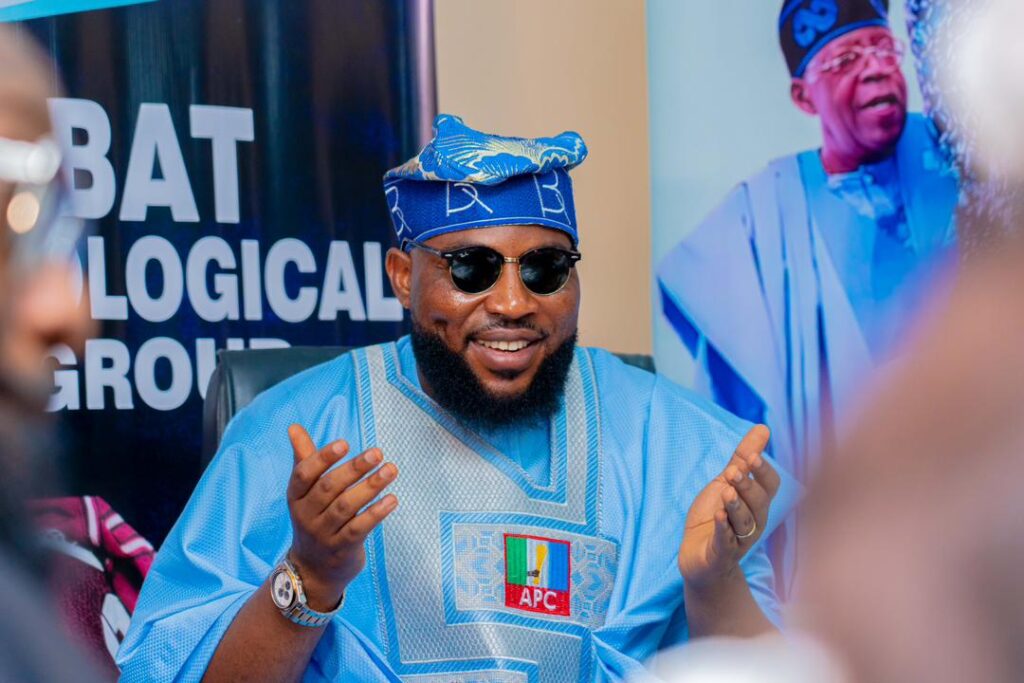
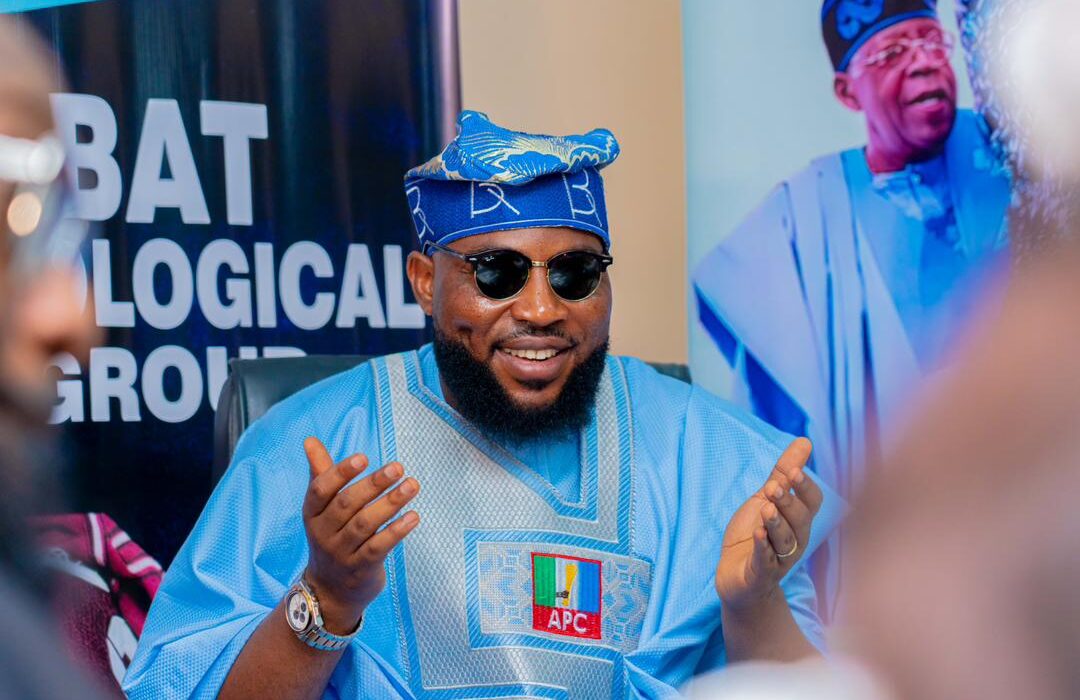
Bamidele Atoyebi is the convenor of BAT Ideological Group, National Coordinator of Accountability and Policy Monitoring and a publisher at Unfiltered and Mining Reporting and political social worker