
FG Expands CNG, Electric Vehicle Programme to Cut Transport Fares Nationwide
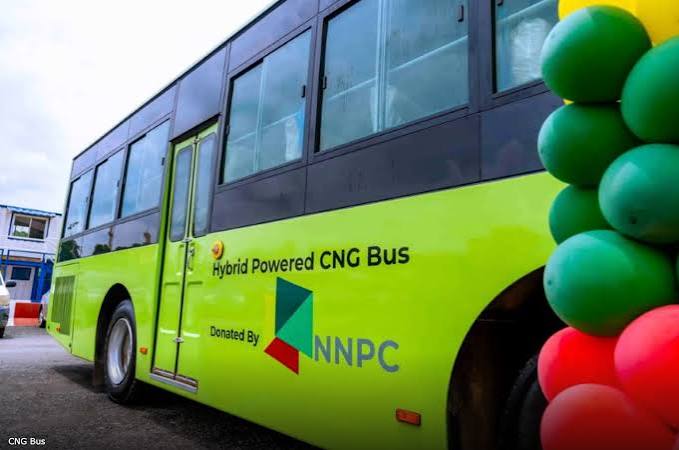
The Federal Government has stepped up efforts to reduce transportation costs across the country through the expansion of Compressed Natural Gas (CNG) and electric vehicle initiatives.
The government said commuters in several states are already benefiting from lower fares on routes served by CNG-powered and electric buses, with further reductions expected as the programme expands.
President Bola Tinubu had directed states to work with transport unions and commercial operators to ensure that savings from cheaper energy are passed on to commuters through reduced fares from October 1.
Under the National Affordable CNG Transit Programme, states are expected to support vehicle conversions, deploy alternative-energy buses and develop the infrastructure required to sustain cheaper public transportation.
The government cited several examples of reduced fares. In Borno, CNG and electric public transport services charge between ₦50 and ₦100 on routes where commercial operators charge between ₦300 and ₦600.
In Oyo State, the deployment of CNG buses to Pacesetter Transport initially reduced the Lagos-Ibadan fare from about ₦8,000 to ₦3,200.
In Enugu, the deployment of 100 CNG buses brought the Enugu-Nsukka fare down from ₦2,500 to ₦1,500, while alternative-energy transport services in Adamawa have reduced some fares by as much as 50 per cent.
In Plateau State, government-supported buses reportedly transport about 13,000 passengers daily at ₦200, compared with fares above ₦500 charged by commercial operators.
The Federal Government also said CNG-converted vehicles operating on some Abuja routes have resulted in a 40 per cent reduction in fares. The Area 1-Gwagwalada fare, for instance, has fallen from ₦1,500 to ₦900, while fares from Nyanya and Wuse have also been reduced.
The initiative is being implemented in partnership with state governments, transport unions, operators and other stakeholders as the government seeks to expand access to cheaper energy-powered transportation.
The programme comes amid concerns over rising fuel and transportation costs linked to fluctuations in global energy prices. The Federal Government has said Nigeria’s natural gas reserves provide an opportunity to reduce the country’s exposure to changes in international energy markets.
According to government figures, more than 120,000 vehicles have been converted to CNG over the past three years, with hundreds of certified conversion centres and dozens of refuelling stations now operating across the country.
Several states, including Edo, Kano, Delta, Kwara, Lagos and Akwa Ibom, are also expanding their CNG transportation programmes through vehicle conversions and the deployment of CNG buses.
The Federal Government said it would continue supporting the expansion of CNG infrastructure and conversion capacity while encouraging greater participation from states, transport operators, manufacturers and private investors.
The government said the objective is to ensure that lower energy costs translate into tangible reductions in the fares paid by commuters across the country.