



Ekiti Strengthens Disease Surveillance Over Ebola, Diphtheria Threat
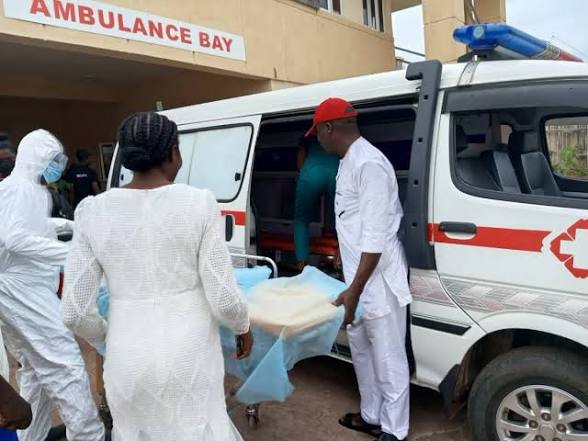
The Ekiti State Government has intensified disease surveillance and emergency response measures across the state’s 16 local government areas to improve preparedness against Ebola, diphtheria and other infectious diseases.
The Commissioner for Health and Human Services, Dr Oyebanji Filani, disclosed this in Ado Ekiti on Saturday during a sensitisation programme for stakeholders on Ebola and diphtheria.
Represented by the ministry’s Permanent Secretary, Mrs Olusola Gbenga-Igotun, Filani said the state had strengthened its surveillance and response systems to facilitate early detection, prompt reporting and containment of suspected cases.
The programme brought together community and religious leaders, market leaders, transport operators, artisans and media representatives.
The state Epidemiologist, Dr Bosede Alowooye, said the World Health Organisation’s declaration of Ebola as a public health emergency of international concern required countries to strengthen their preparedness and response measures.
She said Ekiti’s Public Health Emergency Operations Centre had been activated and had begun implementing measures including training health workers, strengthening disease surveillance and educating community informants on the signs, symptoms and reporting procedures for suspected cases.
Alowooye disclosed that staff at the Ekiti airport had also been trained to identify travellers who may develop sudden fever. The workers were provided with thermometers, sanitisers and information and educational materials.
She added that doctors and nurses designated to manage suspected Ebola cases had received specialised training, while additional health workers had been trained on disease detection, prevention and control.
According to her, the state had also procured personal protective equipment, including gloves and gowns, as well as sanitisers and materials required for collecting samples.
Alowooye said the preparedness measures covered not only Ebola and diphtheria but also Lassa fever and other potential disease outbreaks.
She identified possible Ebola symptoms as sudden high fever, muscle pain, headache, stomach pain, vomiting, breathing difficulties and skin rashes.
The epidemiologist advised residents to maintain proper hand and personal hygiene and promptly report suspected cases to health authorities.
She also urged people who had travelled to countries experiencing reported outbreaks, including Uganda, the Democratic Republic of Congo and Rwanda, to notify health authorities and seek medical attention when necessary.
The General Manager of the Ekiti State Health Insurance Scheme and Pillar Lead for Ebola Risk Communication, Dr Charles Doherty, said the awareness campaign was aimed at educating residents about the diseases, their prevention and common misconceptions surrounding them.
Doherty advised residents to report persistent fever where treatment had not produced results after two or three days and to notify relevant authorities about unusual health developments in their communities.
He also urged residents to exercise caution around international travellers, particularly those arriving from areas with reported outbreaks, and to cooperate with health workers during investigations and response activities.
On diphtheria, the Secretary of the Nigerian Red Cross Society, Ekiti State chapter, Atah Adegboyega, described the disease as potentially fatal but preventable.
He stressed the importance of routine childhood immunisation and other recommended vaccinations in protecting residents against diphtheria.