

FG Plans 360km/h High-Speed Rail Link From Lagos to Maiduguri
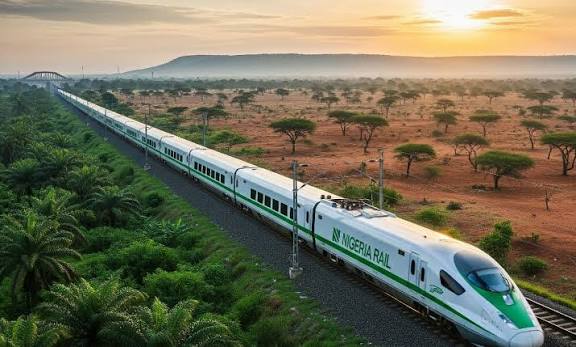
The Federal Government is planning to develop a high-speed railway linking Lekki in Lagos to Maiduguri, Borno State, with trains expected to travel at speeds of up to 360 kilometres per hour.
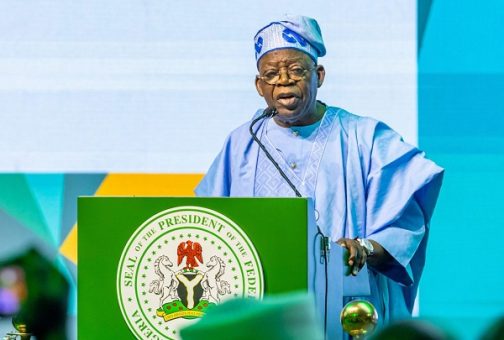
The Permanent Secretary of the Federal Ministry of Transportation, Funsho Adebiyi, disclosed the plan in Abuja during the 19th National Council on Transportation.
Adebiyi said the proposed rail line is part of the government’s broader plan to expand railway infrastructure and provide Nigerians with faster alternatives to road transportation.
He explained that some sections of the proposed route could be constructed on elevated structures to enable trains to operate at high speeds.
The project is expected to strengthen connections between Lagos, Abuja and northern parts of the country while providing passengers with additional transportation options.
Adebiyi said the government was also pursuing light rail projects in Lagos, Kano and Kaduna, with plans to extend similar systems to other state capitals.
Beyond rail development, the Federal Government is working on reforms aimed at improving road transportation and strengthening the regulation of the sector.
The Federal Executive Council has approved the development of a Smart National Transport Data Bank, which will consolidate information on vehicles, drivers, road users and transport operators.
The database is expected to improve transportation planning and coordination among agencies responsible for road safety and regulation.
The government also plans to standardise motor parks and introduce passenger manifests containing details such as travellers’ contact information, destinations and next-of-kin details.
According to Adebiyi, the system would enable authorities to identify passengers involved in road crashes and contact their relatives more quickly.
The government is also considering computerised vehicle number plates that would be linked to motorists’ records and could assist authorities in identifying drivers who violate traffic regulations.
Six standardised bus terminals are planned as the first phase of a nationwide programme. The terminals are expected to include waiting areas, police posts, vehicle inspection and mechanical facilities, restaurants and restrooms.
Commercial road transport operators will also face tighter licensing requirements, with operators expected to obtain approval from the Federal Road Safety Corps before commencing operations.
The government is seeking to create a more integrated transportation network connecting road, rail and waterways.
Adebiyi said Nigerians should have the freedom to choose their preferred mode of transportation when travelling between destinations.
The ministry is also expected to implement the National Land Transport Policy, which was approved at the previous National Council on Transportation meeting.
The high-speed rail proposal forms part of the Federal Government’s broader efforts to modernise Nigeria’s transportation infrastructure, improve connectivity between regions and reduce pressure on the country’s road network.