

One Year After, BAT-IG Marks Handbook Anniversary With Policy Advocacy, Stakeholder Engagement and Community Interventions
PRESS STATEMENT
One Year After, BAT-IG Marks Handbook Anniversary With Policy Advocacy, Stakeholder Engagement and Community Interventions
Abuja, September 18, 2026
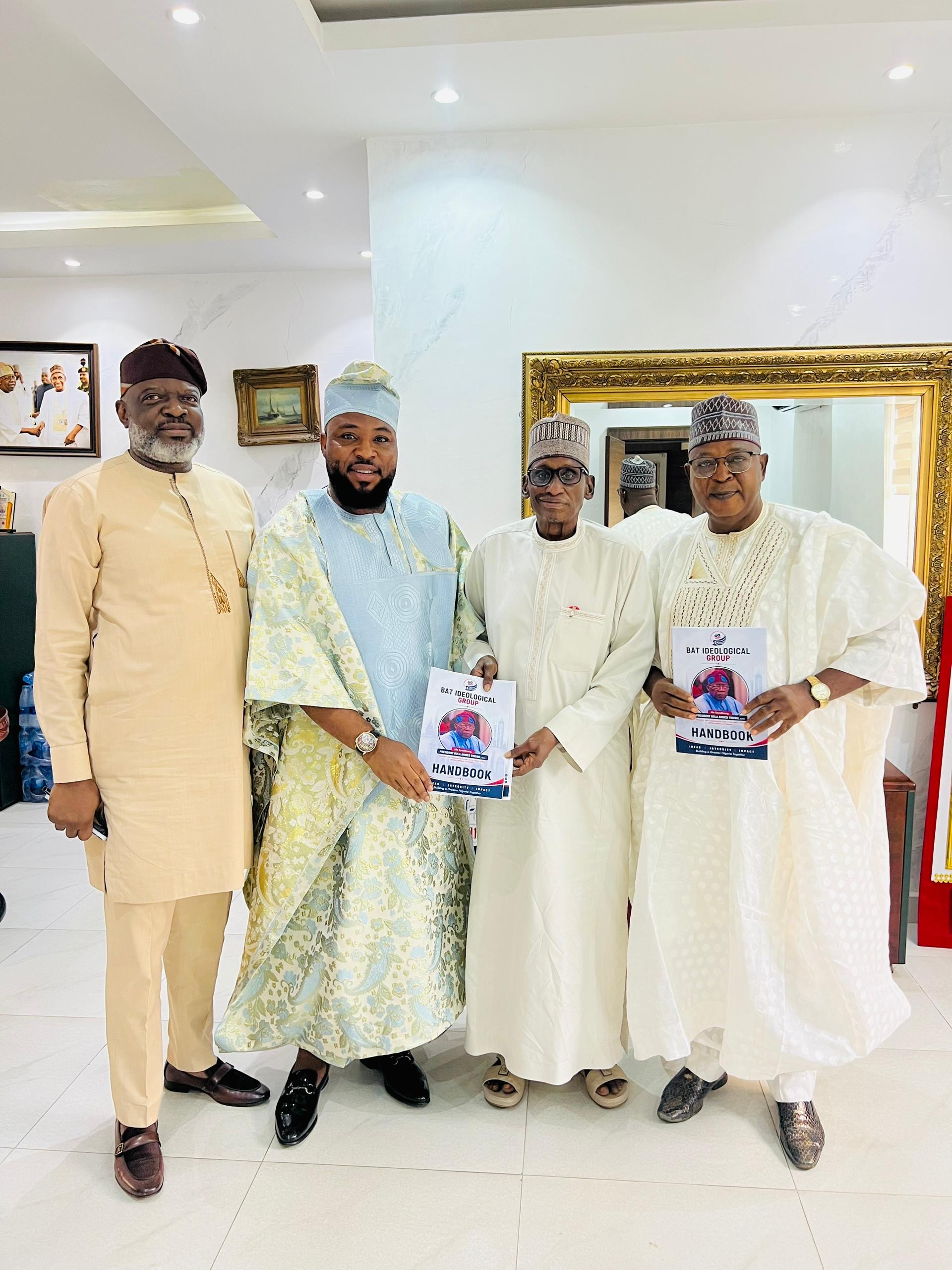
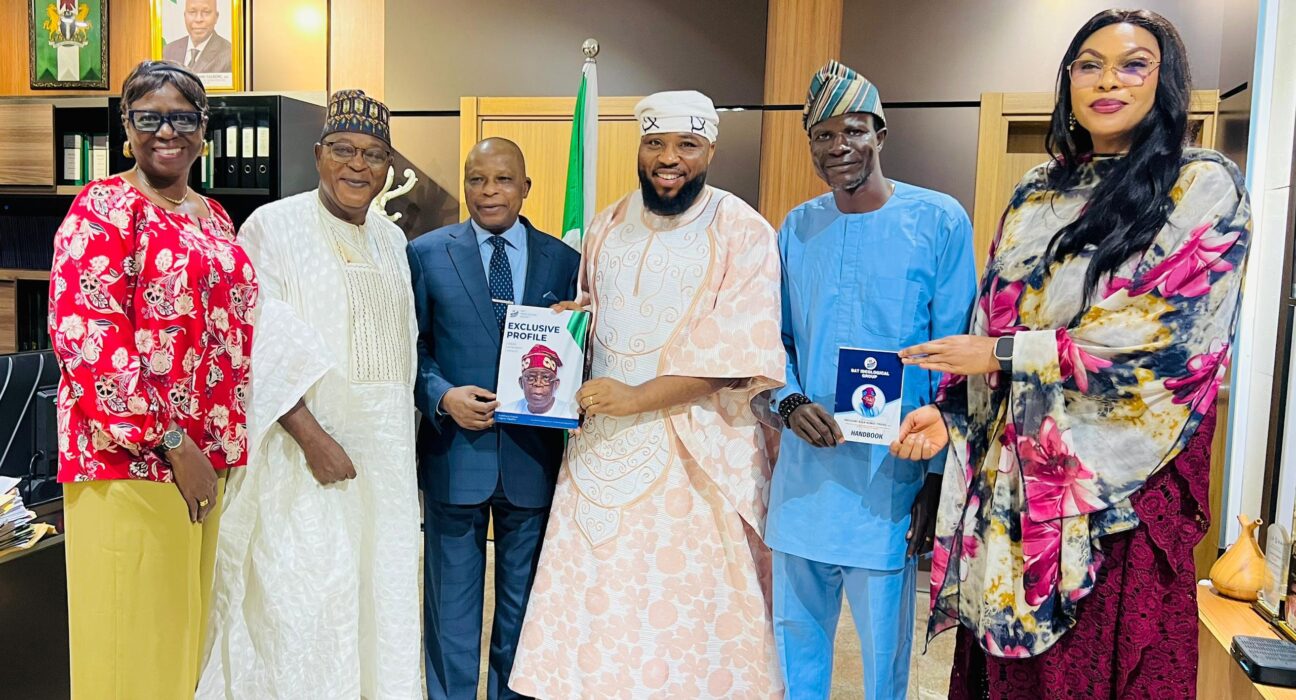
The Bola Ahmed Tinubu Ideological Group (BAT-IG) has marked one year anniversary of the launch of its Bola Ahmed Tinubu Ideology Handbook, reflecting on 12 months of policy documentation, public communication, stakeholder engagement and community-focused interventions.
The handbook was launched on September 18, 2025, at the Tinubu Support Group (TSG) office on Kainji Crescent, Maitama, Abuja, as part of the group’s effort to document the policy philosophy associated with President Bola Ahmed Tinubu and provide a framework for understanding, monitoring and communicating government policies and programmes.
One year later, BAT-IG says the handbook has evolved from a documentation project into a broader platform for policy communication, analysis and engagement, with the group continuing to track government policies, identify policy gaps, develop recommendations and communicate developments to citizens.
The group’s third-edition performance and briefing report, covering economic, security, infrastructure and human-capital developments, documents a wide range of government initiatives and interventions across the country. The report also contains community-level infrastructure interventions, including electricity rehabilitation, rural electrification, solar-powered boreholes, water infrastructure and other projects in communities across Edo, Kogi, Kwara, Delta, Bauchi, Plateau and Benue states.
Among the documented community interventions are electricity infrastructure projects serving Utesi and Ologbo communities in Edo State; rehabilitation of electricity infrastructure in Ofoke Ward and Itobe/Okokenyi Ward in Kogi State; solar-powered boreholes in Kogi; rural electrification interventions in Kwara; restoration of electricity supply in Oleh Kingdom, Delta State; relocation of electricity supply infrastructure in Bauchi; and the provision of boreholes and waste bins in communities in Benue State.
The group also identifies the Rigasa electricity intervention in Kaduna State and interventions covering five communities in Ogun State as flagship phases of its electricity intervention programme, reflecting its approach of identifying community needs and engaging relevant institutions toward practical solutions.
Beyond physical interventions, the group has maintained a strong emphasis on policy communication.
Through articles, policy analyses, media engagements and explanatory materials, BAT-IG has sought to translate complex government policies into accessible information for citizens. Its body of work has covered economic reforms, tax reforms, education, student financing, infrastructure, electricity, agriculture, mining, housing, security, youth empowerment and social welfare.
The group has also used its policy platform to make recommendations on areas it believes require greater attention, including local government autonomy, state policing, education and skills alignment, grassroots communication of government programmes, youth access to empowerment opportunities and stronger feedback mechanisms between government and citizens.
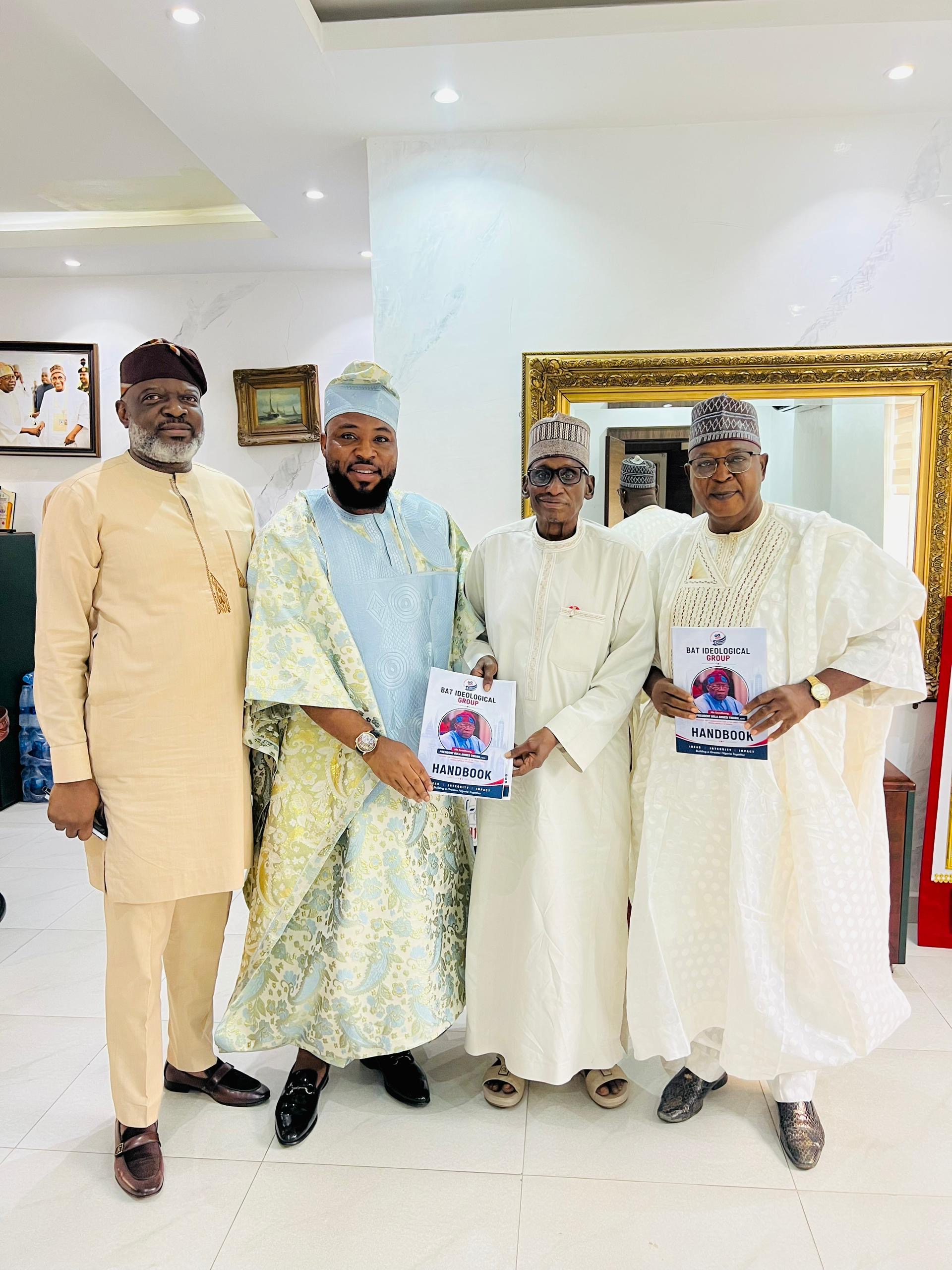
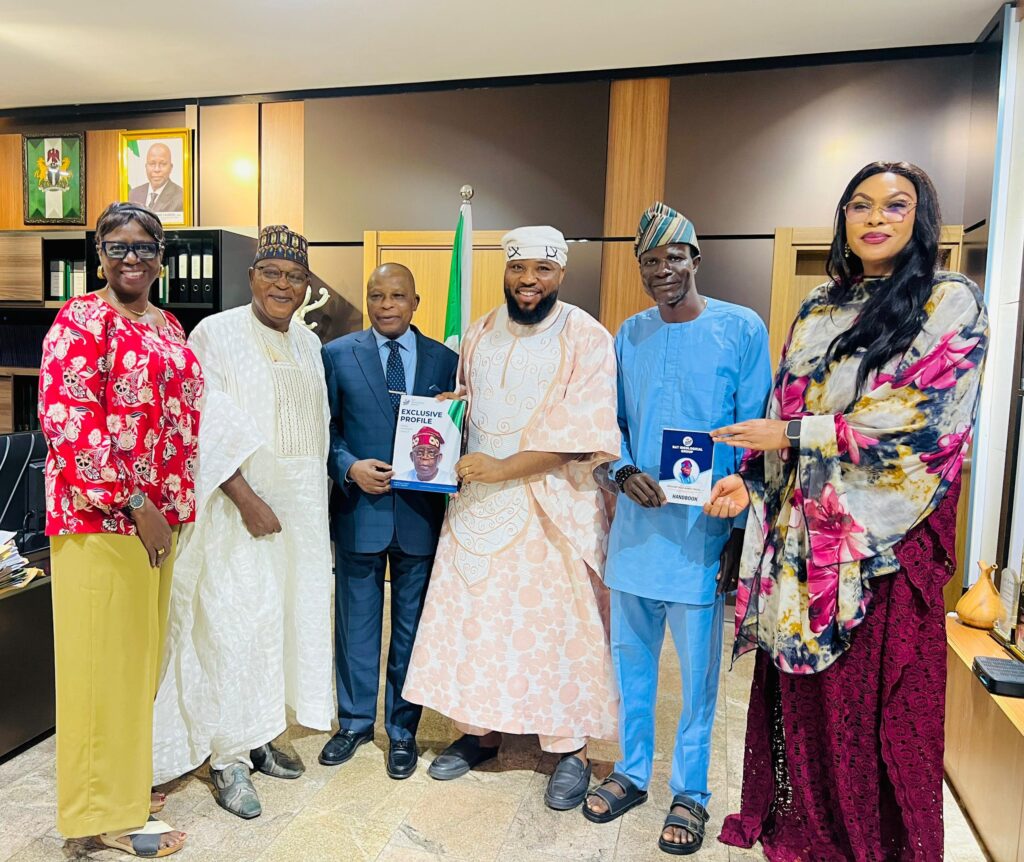
The anniversary also provides an opportunity to highlight BAT-IG’s stakeholder engagement efforts. The organisation has engaged political, community and institutional stakeholders as part of its efforts to connect policy discussions with developments at the grassroots. These engagements have complemented its media and policy-monitoring activities.
A central feature of BAT-IG’s work over the past year has been to bridge the divide between policy, implementation and people.
The group’s consolidated report tracks developments ranging from the Lagos-Calabar Coastal Highway and Sokoto-Badagry corridor to electricity-sector reforms, smart-meter deployment, solar mini-grids and the rehabilitation of power infrastructure. It also documents education and capacity-building interventions, including NELFUND, technical and vocational education initiatives, digital literacy programmes and the approved overhaul of the NYSC scheme.
In the area of infrastructure and energy, the report records major projects including the 700-kilometre Lagos-Calabar Coastal Highway, the 1,068-kilometre Sokoto-Badagry Superhighway, a 20-megawatt mini-grid project in Ajaokuta, the rehabilitation of the Gbarain power plant, the Epe solar mini-grid and the planned nationwide deployment of seven million smart meters.
The report further documents interventions involving housing, healthcare, roads and resettlement, including 20 completed resettlement housing units handed over to displaced communities, approval of more than ₦438 billion for road projects across seven states and the approval of ₦540 billion for the upgrade of the National Hospital Abuja and establishment of a National Institute for Cancer Research.
In education, the report records the expansion of NELFUND, basic-education infrastructure support, digital literacy initiatives, vocational curriculum realignment, student-fee interventions and the approved NYSC reforms.
BAT-IG says its approach has therefore remained centred on three interconnected responsibilities: explaining policy, monitoring implementation and connecting identified needs with possible solutions.
The group has also continued to publish policy-oriented articles examining the relationship between the administration’s manifesto commitments and policies being implemented in office.
These analyses have examined issues such as fuel subsidy reform, taxation, education financing, infrastructure, electricity, housing, youth empowerment, security and social welfare.
The anniversary comes as the group releases another edition of its handbook and policy-performance documentation, providing an updated reference point for researchers, journalists, policymakers, political stakeholders and members of the public interested in following the evolution of policies under the Renewed Hope Agenda.
For BAT-IG, the significance of the handbook is therefore not limited to its publication. It represents an ongoing record of an organisation attempting to place ideas, policies, implementation and measurable outcomes within the same conversation.
The group acknowledges that government policies remain subject to public scrutiny and that implementation can produce both intended outcomes and challenges. It maintains that continued documentation, constructive engagement and evidence-based communication are necessary to ensure that citizens understand not only what government announces, but also what is implemented, where gaps remain and what further interventions may be required.
As BAT-IG celebrates one year of the handbook, the group commends its members, contributors, policy researchers, media partners, community stakeholders and other collaborators who have supported the initiative.
The anniversary, it says, is less about looking back at a single publication and more about recognising a continuing journey from ideas to documentation, documentation to engagement, and engagement to measurable interventions.
BAT-IG remains committed to expanding its policy-monitoring, research, media communication and stakeholder-engagement activities while continuing to document developments across Nigeria.
Signed:
Comrade Bamidele Atoyebi
Convener,
Bola Ahmed Tinubu Ideological Group (BAT-IG)