NAPTIP, NGO Launch Eight-Year Campaign to Tackle Human Trafficking
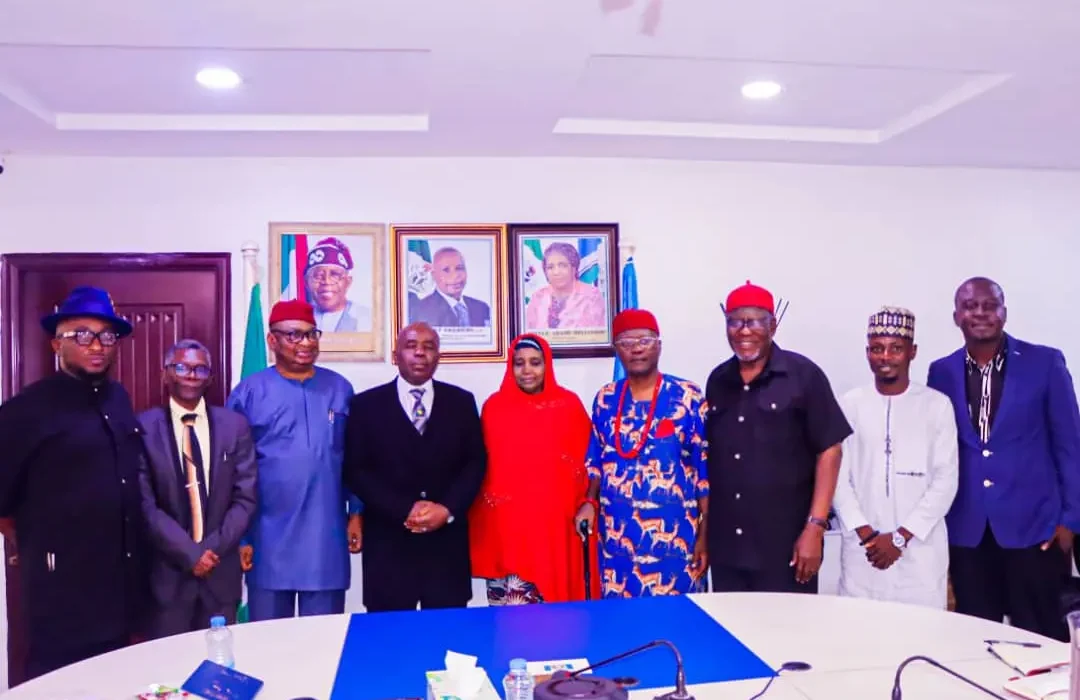
The National Agency for the Prohibition of Trafficking in Persons (NAPTIP) and the Next2None Support Initiative have launched an eight-year programme aimed at preventing human trafficking among young Nigerians through fashion, sports, entertainment and vocational training.
Tagged “Threads of Resilience: Fashion for Freedom,” the initiative will combine anti-trafficking awareness, skills acquisition, economic empowerment and rehabilitation support for trafficking survivors across the country.
The organisations disclosed this in a joint statement issued on Monday following the signing of a Memorandum of Understanding (MoU) on August 27.
The programme, scheduled to run from 2026 to 2034, will initially target 6,000 young people each year, with about 1,000 participants expected to receive training in each of Nigeria’s six geopolitical zones.
The initiative will also culminate in an annual Global Fashion for Freedom event in Abuja, while its international launch is planned for the second quarter of 2027.
Director-General of Next2None Support Initiative, Sam Obu, said the methods used by traffickers had evolved, with social media, fake employment offers, fraudulent migration arrangements and online relationships increasingly being used to lure young people.
According to him, the campaign is designed to address the poverty, unemployment and limited opportunities that can expose young Nigerians to exploitation.
“Human trafficking is no longer just a law enforcement challenge; it is a crisis of poverty, unemployment, and lack of opportunity.”
Obu said the initiative would focus on prevention, empowerment and rebuilding, rather than limiting intervention to the rescue of trafficking victims.
Under the prevention component, anti-trafficking messages will be taken to schools and communities through fashion campaigns, digital advocacy and other public awareness activities. Young people will also be educated on online safety and common recruitment tactics used by traffickers.
The empowerment component will provide training in areas including fashion design, textile production, leather making and garment care, alongside digital skills, e-commerce, financial literacy and branding.
The organisers said the skills would help participants establish sustainable livelihoods and reduce their exposure to trafficking and other forms of exploitation.
The rebuilding component will support trafficking survivors, internally displaced persons and returnees through rehabilitation, mentorship, mental health and psychosocial services.
The campaign will also leverage the reach of fashion, Nollywood and sports to broaden public awareness. Emerging designers and trafficking survivors are expected to create and exhibit collections centred on healing, freedom and resilience.
The organisers said discussions were ongoing with international fashion brands, including Gucci, Balenciaga, Versace and Hugo Boss, over possible collaboration.
The programme also plans to partner with Nollywood and international filmmakers to produce anti-trafficking films, documentaries and awareness skits, while training young Nigerians in film production.
In sports, the organisers said they were seeking partnerships with international sporting organisations, including FIFA for football initiatives, the International Handball Federation for handball tournaments and the NBA for athlete ambassadors and sports clinics.
Under the partnership, NAPTIP will provide government leadership and technical support, while Next2None will oversee implementation of the programme.
A monitoring and evaluation framework will also be established to assess the initiative’s impact, including employment outcomes, survivor rehabilitation and funds mobilised.
NAPTIP Director-General, Binta Lami Adamu Bello, and the agency’s Director of Legal and Prosecution, Ijeoma Amugo, signed the MoU on behalf of the agency, while Obu and Frank Nwala signed for Next2None Support Initiative.
The partners are expected to commence broader stakeholder mobilisation and international engagement ahead of the planned global launch in 2027.
They called on corporate organisations, international development agencies, foundations, philanthropists, volunteers, brand ambassadors and foreign missions to support the campaign.