

Army Chief Tasks Commanders on Strategic Leadership, Professionalism
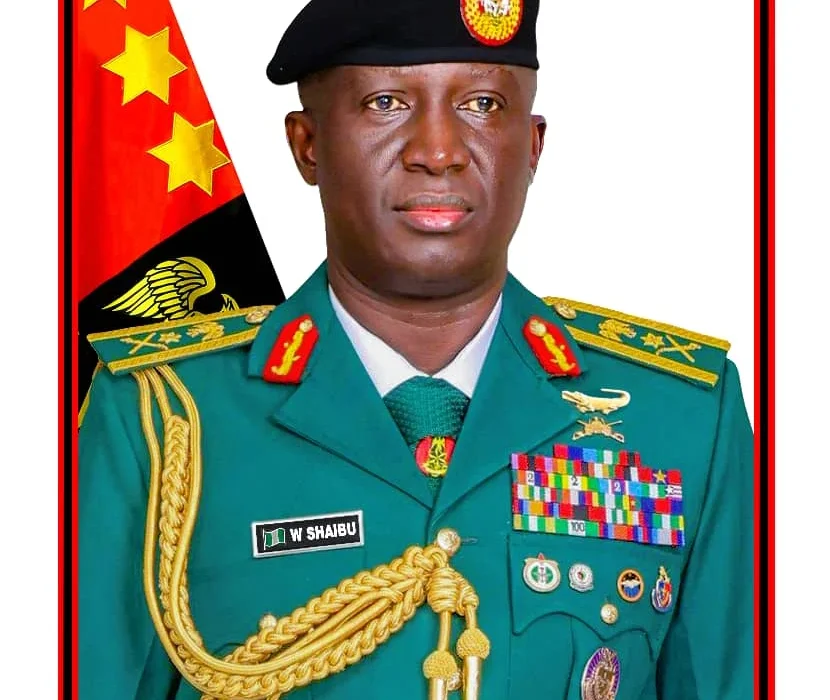
The Chief of Army Staff, Lt. Gen. Waidi Shaibu, has called on senior Nigerian Army commanders to strengthen their strategic thinking, professional competence and leadership skills to effectively respond to the country’s changing security challenges.
Shaibu made the call on Wednesday while opening the 2026 Second Senior Command and Leadership Seminar at the Headquarters of 1 Division, Nigerian Army, Kaduna.
The seminar, themed “Strategic Leadership for Effective Command in an Evolving Security Environment,” is designed to enhance the leadership capabilities of senior officers, promote the exchange of operational experience and develop practical responses to emerging challenges in military command.
The Army chief said success in contemporary military operations could no longer be determined solely by battlefield capabilities, stressing that credibility, public trust and effective leadership were equally critical.
He noted that the country’s security environment had become increasingly complex due to terrorism, insurgency, banditry, transnational organised crime, cyber threats, disruptive technologies and information warfare.
Shaibu therefore urged commanders to remain adaptable and innovative while making sound decisions in situations characterised by uncertainty.
He also highlighted the growing influence of the information environment on military operations, warning that hostile actors were increasingly deploying misinformation, distortion and public perception campaigns to undermine the credibility of the military.
According to him, commanders must incorporate information management into operational planning, campaign design and the execution of military activities.
He stressed the need for timely, accurate and credible communication to maintain public confidence and counter misleading narratives about military operations.
The COAS further warned that no communication strategy could repair the damage caused by indiscipline or unprofessional behaviour among troops.
He consequently directed commanders to ensure strict compliance with the Rules of Engagement, respect for human rights, protection of civilians and accountability throughout the chain of command.
Shaibu said the conduct of soldiers could have consequences beyond the immediate area of operations, making discipline and professionalism essential to preserving the reputation and legitimacy of the Nigerian Army.
Addressing the recent expansion of the Army’s structure from eight to 12 divisions, the COAS described the development as both an opportunity and a significant responsibility for commanders.
He said the expansion was not simply about increasing troop strength and equipment, but also about building the newly established formations into effective, disciplined and combat-ready units.
Shaibu said the standards established by commanders, the values they promote and the leaders they develop would determine the long-term effectiveness of the new formations.
He challenged participants at the seminar to convert the knowledge and experiences shared into practical improvements in command, campaign planning, operational performance, mentorship and institutional development.
The Army chief also urged commanders to strengthen teamwork, groom capable successors, empower junior officers, encourage innovation and maintain constructive relationships with communities and legitimate stakeholders within their areas of responsibility.
He expressed optimism that the seminar would enhance the capacity of senior commanders to provide effective leadership and improve the Army’s response to Nigeria’s evolving security challenges.