


Exhaustion, Isolation, and Political Friction: Inside the Crisis Aboard the USS Abraham Lincoln
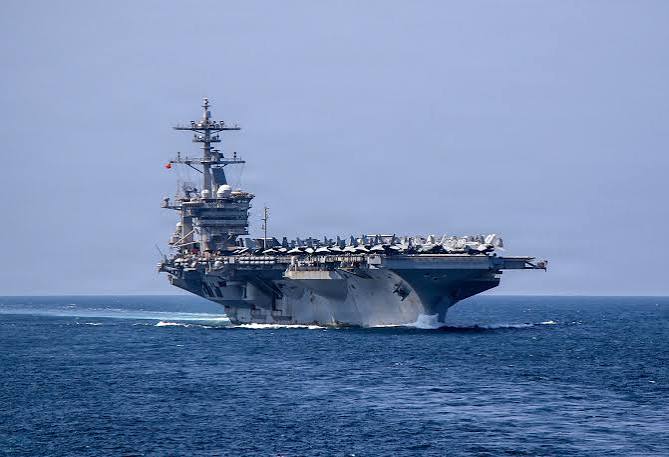
A growing human crisis has emerged from West Asian waters, where the U.S. Navy’s nuclear-powered aircraft carrier USS Abraham Lincoln remains locked in an extended deployment supporting operations linked to the conflict with Iran. Having logged over 250 consecutive days at sea without standard port rotations, the vessel’s 5,000 sailors and Marines are facing severe physical and psychological strain, prompting intense debate among military leaders, military families, and lawmakers in Washington.
The record-setting period without shore leave has severely strained life on board. Crew members navigate intensive twelve- to sixteen-hour shifts while managing severe shipboard degradation. Combat disruptions to regional supply chains have resulted in shortages of essential hygiene items such as soap, toothpaste, and deodorant, along with months-long delays in mail delivery. These logistical bottlenecks have been compounded by shipboard infrastructure issues, including plumbing breakdowns, prolonged hot water outages, and limited access to fresh provisions.
The prolonged isolation has also contributed to a mounting mental health crisis among the crew. Reports from outlets like Navy Times and Stars and Stripes, supported by statements from military families at a town hall meeting in San Diego, highlight widespread burnout. Families describe severe mental health struggles among service members, including reported instances where sailors attempted to jump overboard or required emergency intervention from crewmates while on watch.
The operational strain on the carrier has sparked sharp criticism across Capitol Hill. Congressional lawmakers and military veterans have raised concerns regarding strategic planning and logistics, pointing out that extended deployments without clear timelines place an undue burden on service members.
Democratic leaders on the Senate Armed Services Committee, including Senator Richard Blumenthal, have formally requested comprehensive audits into crew health, sanitation, and supply chains.
Pentagon leadership has pushed back against these descriptions. U.S. Secretary of Defense Pete Hegseth stated that reports detailing systemic breakdowns “completely misrepresented” the realities on board, maintaining that the Department of Defense ensures every vessel receives maximum operational support under challenging high-seas conditions.
President Donald Trump similarly downplayed concerns regarding crew morale and deployment lengths, dismissing assertions of an internal crisis. While Navy officials acknowledge the inherent strain of prolonged missions, they maintain that medical, chaplains, and resiliency teams are actively deployed across the fleet to support sailor well-being.
The ongoing friction aboard the warship has also entered the realm of strategic information warfare. Iranian media outlets recently published claims asserting that multiple sailors were killed during violent brawls aboard the vessel.
U.S. Central Command (CENTCOM) quickly issued a formal denial, labeling the claims false. Military analysts note that foreign entities frequently leverage reports of internal friction to highlight the human and operational costs borne by deployed U.S. forces.
To alleviate pressure on the crew, the Pentagon has ordered the USS George Washington to transit toward the region and relieve the USS Abraham Lincoln. While naval carriers have historically executed lengthy missions, prior operations included routine port calls that offered vital physical and mental recovery. As the replacement carrier approaches its destination, the situation aboard the Lincoln underscores the profound operational challenges and human costs of long-term maritime force projection.