


FG to Launch Nationwide Breastfeeding Campaign to Improve Child Health
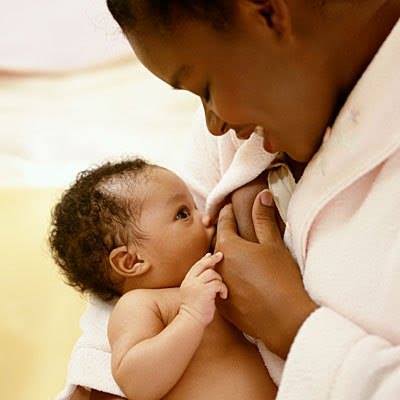
The Federal Ministry of Health and Social Welfare has announced a nationwide campaign to promote breastfeeding as part of activities marking the 2026 World Breastfeeding Week, with programmes scheduled across the 36 states and the Federal Capital Territory.
The ministry said the week-long observance will feature community outreach, health worker training, media engagement and advocacy campaigns aimed at encouraging breastfeeding and improving maternal and child health outcomes nationwide.
According to a statement issued by the ministry’s Assistant Director of Information and Public Relations, Ado Bako, the Coordinating Minister of Health and Social Welfare, Prof. Ali Pate, is expected to address journalists during the national commemoration on Monday.
The ministry called on families, healthcare workers, employers, communities and policymakers to provide the support mothers need to breastfeed successfully, describing breastfeeding as a critical investment in children’s health, stronger families and national development.
This year’s theme, “Breastfeeding for a Sustainable Start in Life: Strengthen What Works,” focuses on reinforcing proven strategies that have improved breastfeeding practices while advancing efforts to tackle malnutrition, food insecurity and poverty.
The ministry noted that breastfeeding provides infants with essential nutrition, strengthens their immune systems, supports brain development and improves survival rates, while also contributing to long-term human capital development and economic productivity.
It added that promoting breastfeeding can reduce healthcare costs, improve food security and lessen the financial burden on families by reducing dependence on infant formula and lowering the incidence of preventable childhood illnesses.
The ministry reiterated its recommendation that mothers initiate breastfeeding within one hour of childbirth, practise exclusive breastfeeding for the first six months, and introduce appropriate complementary foods from six months while continuing breastfeeding up to two years of age or beyond.
It maintained that breast milk remains the safest and most suitable source of nutrition for infants because it is readily available, affordable, hygienic and provides natural protection against many common childhood diseases.